
Tools
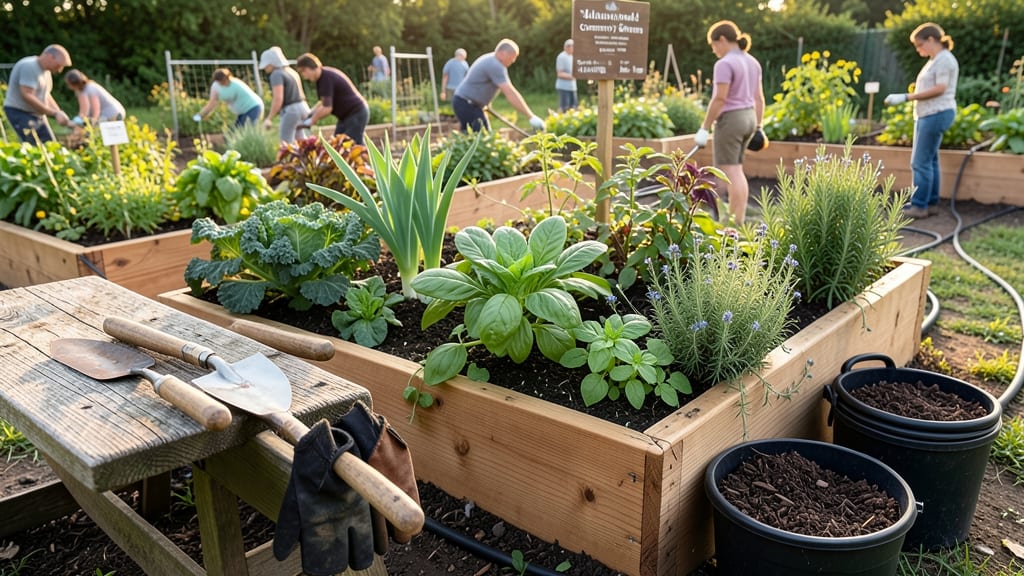
The Hayward Community Garden thrives in USDA Hardiness Zones 9a to 10a, with frost-free periods stretching from mid-November to early March, though specific plot locations may experience slight variations due to microclimates. Always verify local weather forecasts before finalizing your planting schedule.
The Hayward Community Garden falls within these warm zones because of its coastal location and mild winters, which protect plants from prolonged cold snaps. 🌱 This means you can grow a wide variety of tropical and subtropical crops like citrus, avocados, and basil year-round, but you'll still need to monitor frost advisories for late-season surprises.
Many gardeners here use heat-loving plants as indicators for when to start cooler-season crops like lettuce or peas, which thrive after the first frost.
Microclimates—created by elevation changes or urban heat—can shift frost dates by up to two weeks in certain areas of the garden. For example, plots near the waterfront may stay frost-free longer than those closer to the hills.
I recommend testing soil temperatures in your specific plot before planting frost-sensitive varieties, as this gives a more accurate picture than relying solely on general zone guidelines.
💡 In This Article
- Understanding Hayward’s Planting Zones and Microclimates
- How to Plan Your Hayward Garden Around Frost Dates
Understanding Hayward’s planting zones and microclimates
Hayward’s placement in USDA Hardiness Zones 9a to 10a stems from its coastal location along the San Francisco Bay, where ocean currents and fog create a moderating effect on temperatures. Zone 9a experiences average minimum winter temperatures between 20°F and 25°F, while Zone 10a stays above 30°F.
This mild climate allows gardeners to grow tropical plants like mangoes and papayas that wouldn’t survive in colder regions. The proximity to water also means higher humidity levels, which can influence plant health and irrigation needs.
Microclimates within the garden create noticeable variations—plots near the waterfront often stay 5-10°F warmer than those on higher elevations due to the urban heat island effect.
For example, a plot at the garden’s lowest point might see frost-free conditions until December 15th, while a hillside plot could experience light frost as early as November 25th. These differences affect which plants thrive where.
Citrus trees, for instance, may need winter protection in cooler microclimates but can grow uncovered near the bay.
The zone classification directly impacts plant selection. Zone 9-10 plants like bougainvillea or hibiscus require minimal winter care, while Zone 8 varieties (like roses) may need frost blankets during unexpected cold snaps.
Gardeners here often use heat-loving indicator plants—like basil or okra—to signal when cooler-season crops can safely be planted. The key is matching plant hardiness ratings to your specific microclimate’s frost history.
Elevation changes within Hayward can shift frost dates by 7-14 days, making soil temperature checks essential. I’ve seen gardeners use inexpensive soil thermometers to verify when it’s safe to plant frost-sensitive crops like tomatoes or peppers.
The garden’s highest plots might experience 32°F temperatures by late November, while lower areas remain above freezing until mid-December. This variation explains why some gardeners start warm-season crops in October while others wait until November.
Understanding these patterns helps avoid common mistakes, like planting frost-sensitive seedlings too early in cooler microclimates. For example, while Zone 10a’s frost-free window extends until early March, a hillside plot might see frost as early as February.
Monitoring local weather stations (like the one at Hayward Airport) provides more precise data than relying solely on zone averages.
What most gardeners don’t realize is how wind patterns affect frost risk. Coastal breezes can actually prevent frost formation by keeping temperatures slightly warmer, but they also dry out soil faster.
This means irrigation practices must adapt to microclimate conditions—plots near the waterfront may need less frequent watering than those on windward hillsides. 🌿