
Tools
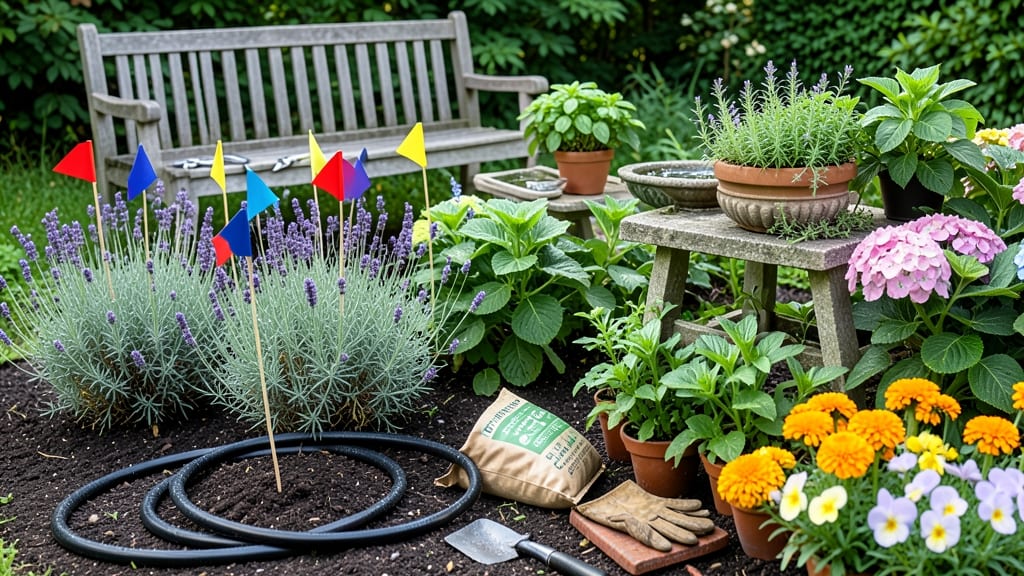
Home and garden shows inspire DIY projects by transforming outdoor spaces with budget-friendly landscaping, clever upcycling projects, and space-efficient designs that use readily available materials. The best shows break down complex ideas into simple steps, proving that creativity doesn't require expensive tools or professional expertise.
These shows work their magic by making complex projects feel achievable through visual storytelling and practical demonstrations. 🌿 Designers often focus on "small wins"—like transforming a dull corner into a lush vertical garden using repurposed containers—that build confidence for tackling bigger projects.
The emphasis on native plants and drought-resistant solutions also makes these ideas instantly adaptable to different climates and budgets.
What makes these projects so appealing is their focus on customization. Whether it's mixing textures in a container garden or creating a multi-level planter from pallet wood, the shows prove that every space—no matter how small—can become a personalized outdoor retreat.
The key takeaway? Start with one manageable project, gather a few basic tools, and let your creativity guide the rest.
💡 In This Article
- How Designers Turn TV Stages Into DIY-Friendly Concepts
- Top 5 Home and Garden Show Trends for Your Own Backyard
How designers turn TV stages into DIY-friendly concepts
Top designers on home and garden shows use a clever strategy called "modular design" to make complex projects feel approachable. Instead of presenting one massive installation, they break concepts into smaller, interchangeable sections—like creating a raised garden bed using 4x4-foot frames that can be expanded or rearranged later.
This approach mirrors how professional landscapers plan spaces, but with the added benefit of scalability for homeowners on any budget.
The magic happens in how they select materials. For example, a pallet wood planter might cost under $20 but require a few hours of sanding and staining, while a pre-made cedar planter could run $150+.
Designers often highlight how repurposed items—like old gutters for trellises or wine barrels for vertical gardens—can achieve the same aesthetic without the price tag. The key is focusing on visual impact over cost, ensuring viewers see the end result first before worrying about the details.
Sustainability is another cornerstone of their approach. Shows frequently feature "upcycled charm" projects, such as turning discarded bricks into stepping stones or using broken terracotta pots as colorful mulch accents.
These ideas not only reduce waste but also teach viewers how to source materials locally—like collecting fallen branches for rustic garden stakes or salvaging hardware store scraps for DIY garden art. The emphasis on low-waste techniques makes projects feel both eco-friendly and budget-conscious.
What truly sets these concepts apart is their adaptability to different climates and spaces. A designer might demonstrate a drought-tolerant succulent wall in a sunny California backyard, then pivot to show the same technique with ferns and moss in a shady Pacific Northwest garden.
This flexibility proves that the same basic structure can be customized with plants suited to local conditions, from zone 5 hardiness to tropical microclimates. The shows often include a "plant swap" segment, where they suggest alternatives for different regions.
One underrated technique is "staged transformation"—where designers film projects in short, digestible segments. For instance, a backyard makeover might be broken into three 10-minute episodes: clearing debris, building structures, and planting. This mirrors how homeowners actually tackle projects, avoiding the overwhelm of seeing everything completed at once.
They also use before-and-after timelapses to show progress, which builds confidence by demonstrating that even "messy middle" stages lead to beautiful results.
Finally, the shows leverage "design cheat sheets"—simple diagrams or lists that viewers can replicate. For example, a perfectly proportioned patio layout might be shown with measurements like 6x8 feet for a small space or 12x12 feet for a family gathering area, complete with furniture placement tips.
These visual aids turn abstract ideas into actionable plans, making it easy for viewers to sketch their own versions at home.