
Light Requirements
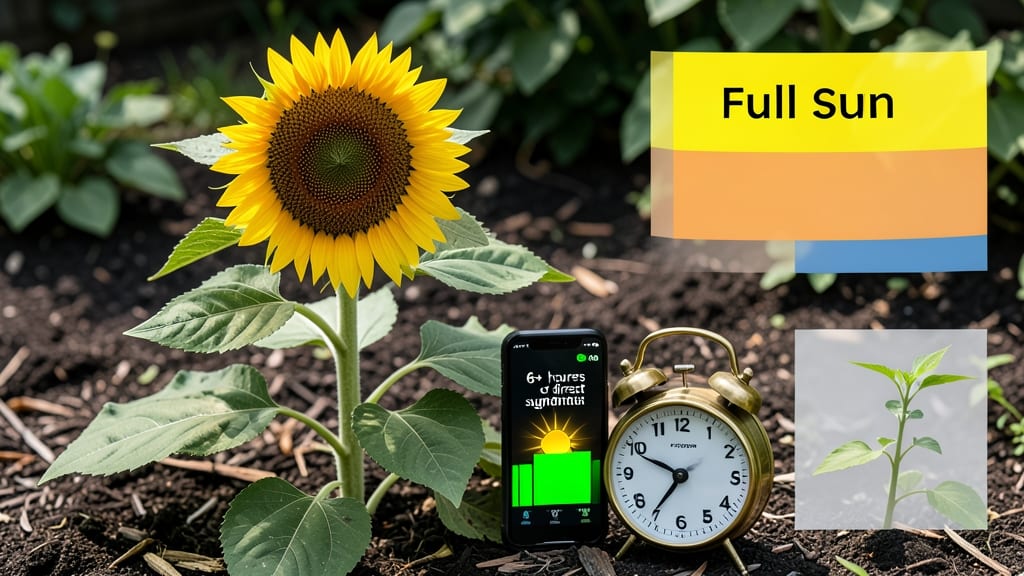
Full sun in gardening means 6 to 8 hours of direct sunlight daily, though some plants thrive with as little as 5 hours, while others need 8+ hours for optimal growth. Exact needs depend on plant type and climate zone.
Understanding how many hours count as full sun helps you choose the right plants for your garden's lighting conditions. 🌞 Most full-sun plants—like tomatoes, lavender, and sunflowers—need at least 6 hours of direct sunlight to produce flowers, fruits, or vibrant foliage.
However, some plants, such as succulents or desert cacti, actually prefer 8+ hours of intense sunlight to thrive. The key is observing how your garden's sunlight shifts throughout the day, especially in different seasons, since summer sun can be much stronger than winter light.
If you're unsure about your garden's sunlight exposure, try using a sun chart or a simple app to track sunlight hours. Many gardeners also supplement light for partial-shade plants by placing them in spots that get morning sun or dappled light.
For example, hostas and ferns typically need only 3-4 hours of sunlight, but they can still benefit from a few hours of indirect light to keep their leaves lush and healthy.
💡 In This Article
- How Sunlight Requirements Vary by Plant Type
- Adjusting Sunlight Exposure for Different Climates
How sunlight requirements vary by plant type
Sunlight isn't just about hours—it's about intensity and quality. Plants like tomatoes and peppers need 6-8 hours of direct sunlight because they rely on high-intensity light to fuel photosynthesis and produce energy-rich compounds like lycopene (the antioxidant in tomatoes).
These plants have broad leaves that absorb maximum light, and their roots grow deep to access nutrients when the sun is strong. In contrast, shade-loving plants like impatiens or astilbes have thinner leaves that would scorch in full sun—their photosynthesis peaks at 3-4 hours of indirect light or dappled sunlight.
The difference comes down to chlorophyll types. Sun-loving plants have more chlorophyll B, which helps them handle intense light without producing harmful oxygen radicals.
Shade plants, however, have more chlorophyll A and carotenoids that work efficiently in low light but can't process excess energy from prolonged sun exposure. 🌿 For example, a hosta plant left in full sun will develop brown, crispy edges from sunburn, while a sunflower in partial shade will grow leggy and produce fewer blooms.
Light intensity also varies by season and location. A 6-hour sun exposure in Arizona's desert climate delivers far more energy than the same duration in a Pacific Northwest garden, where cloud cover and lower sun angles reduce effective light.
That's why desert plants like agave or yucca thrive with 8+ hours of full sun, while coastal regions might see the same plants struggle unless given afternoon shade. Even within the same garden, north-facing spots receive only 40-50% of the light that south-facing areas get, making placement critical.
Another key factor is how plants use sunlight for growth vs. reproduction. Vegetative growth (leafy stems) often thrives in partial sun, while flowering and fruiting demand more light. Take basil: it grows vigorously in 4-6 hours of sun but produces far more flavorful leaves when given 6+ hours.
The extra light triggers higher essential oil production, making the difference between so-so and restaurant-quality flavor. This is why many herbs are labeled as "partial sun" plants—they balance growth and productivity.
Here's a quick breakdown of common plant categories and their needs:
- Full-sun plants (6-8+ hours): Tomatoes, peppers, lavender, sunflowers, rosemary, and most vegetables
- Partial-sun plants (3-6 hours): Basil, oregano, hydrangeas, hostas, and most perennials
- Shade plants (2-4 hours): Ferns, impatiens, caladiums, and most woodland natives
Even within these categories, microclimates matter. A south-facing window might provide 8 hours of full sun in summer but only 3 hours in winter due to lower sun angles.
Understanding these variations helps you rotate plants seasonally or choose varieties bred for your specific light conditions, like dwarf sunflowers for containers or shade-tolerant tomato varieties for partial sun spots. 🌞