
Vegetables
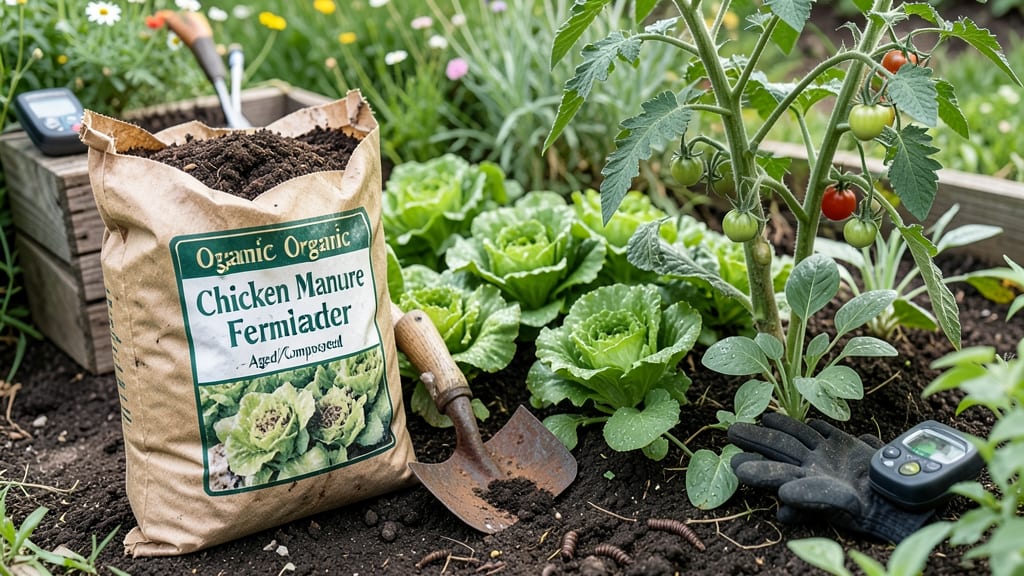
Yes, chicken manure is good for gardens as it delivers a powerful nitrogen boost that fuels lush foliage, but it requires composting or aging for 3-6 months to avoid damaging plants or spreading harmful bacteria. Always apply it judiciously, following proper dilution rates to maximize benefits without risk.
Chicken manure is one of the richest organic fertilizers for gardens, packing up to 2-3% nitrogen—far more than cow or horse manure. 🌱 The key lies in its balance of nutrients (typically 10-12-0 NPK ratio) that promote rapid leaf growth, making it ideal for vegetables like lettuce or herbs.
However, its high ammonia content demands caution: fresh manure can scorch roots or attract pests. Proper composting transforms it into a safer, more stable fertilizer while preserving its nutrient power.
For best results, I recommend mixing composted chicken manure into soil at a 1:4 ratio (manure to soil) in spring, when plants are actively growing. You can also use it as a liquid fertilizer by steeping it in water for a week, then diluting to 1:10 strength.
This approach gives you control over nutrient delivery while protecting your plants from over-fertilization. The wait for composting pays off—your garden will thank you with vibrant, healthy growth!
💡 In This Article
- Nutritional Breakdown of Chicken Manure for Plant Growth
- Safe Application Methods and Dosage Guidelines for Chicken Manure
Nutritional breakdown of chicken manure for plant growth
Chicken manure stands out as a gardening powerhouse because of its exceptional nutrient density, particularly its nitrogen content. Fresh chicken manure contains roughly 1-3% nitrogen, which is 2-3 times higher than cow manure (0.5-1% nitrogen) and significantly more potent than horse manure (0.6-1.2% nitrogen).
This high nitrogen level (N in NPK ratios) directly fuels rapid leafy growth, making it ideal for nitrogen-hungry plants like leafy greens, corn, and fast-growing herbs. The phosphorus (1-2% P) and potassium (0.5-1% K) provide additional benefits for root development and overall plant vigor.
The magic happens below ground too—chicken manure is packed with microbial activity stimulants. When properly composted, it introduces beneficial bacteria and fungi that break down organic matter, releasing nutrients in a form plants can easily absorb.
This microbial boost improves soil structure, enhances water retention, and creates a thriving ecosystem for plant roots. 🌱 For example, composted chicken manure can increase soil organic matter by 1-2% per application, which is comparable to adding a layer of well-aged compost.
The key difference is that chicken manure's high nitrogen content makes it particularly effective for kickstarting growth in early spring.
However, the nutrient profile varies dramatically between fresh and composted manure. Raw chicken manure has a 10-12-0 NPK ratio but contains high levels of ammonia and salts that can burn plant roots.
Composting transforms this into a more balanced 4-6-2 NPK ratio with reduced salt content, making it safer for direct application. The composting process also neutralizes pathogens, which is crucial since raw chicken manure can harbor E. coli and salmonella—both harmful to humans and plants.
This is why the 3-6 month composting period is non-negotiable for safe garden use.
Different plants benefit from chicken manure in unique ways. For vegetables like tomatoes and peppers, the nitrogen boost promotes lush foliage and abundant fruiting. Flowers such as roses and dahlias respond well to the phosphorus content, which encourages strong root systems and vibrant blooms.
Even lawns see improvements, though with a 1:10 dilution ratio to prevent over-fertilization. The manure's ability to improve soil tilth makes it particularly valuable for heavy clay soils, where it helps break up compacted particles and improve drainage. For sandy soils, it enhances water retention without creating waterlogged conditions.
One often-overlooked benefit is the manure's secondary nutrients and micronutrients. Chicken manure contains measurable amounts of calcium, magnesium, and sulfur, which are essential for plant structural integrity and enzyme function.
These micronutrients become more bioavailable through the composting process, making them directly accessible to plant roots. 🌿 For instance, calcium in chicken manure helps prevent blossom-end rot in tomatoes—a common problem that stems from calcium deficiency. The magnesium content supports chlorophyll production, leading to darker, healthier leaves.
When comparing chicken manure to other organic fertilizers, its high nitrogen content makes it particularly effective for short-term growth spurts. While cow manure is safer to use fresh (though still best composted), it lacks the immediate nitrogen kick that chicken manure provides.
Horse manure, though rich in organic matter, has a lower nitrogen content and is better suited for improving soil structure rather than rapid plant growth.
The trade-off is that chicken manure requires more careful handling due to its potency and potential pathogen load, which is why proper composting and dilution are essential for safe, effective use.