
Light Requirements
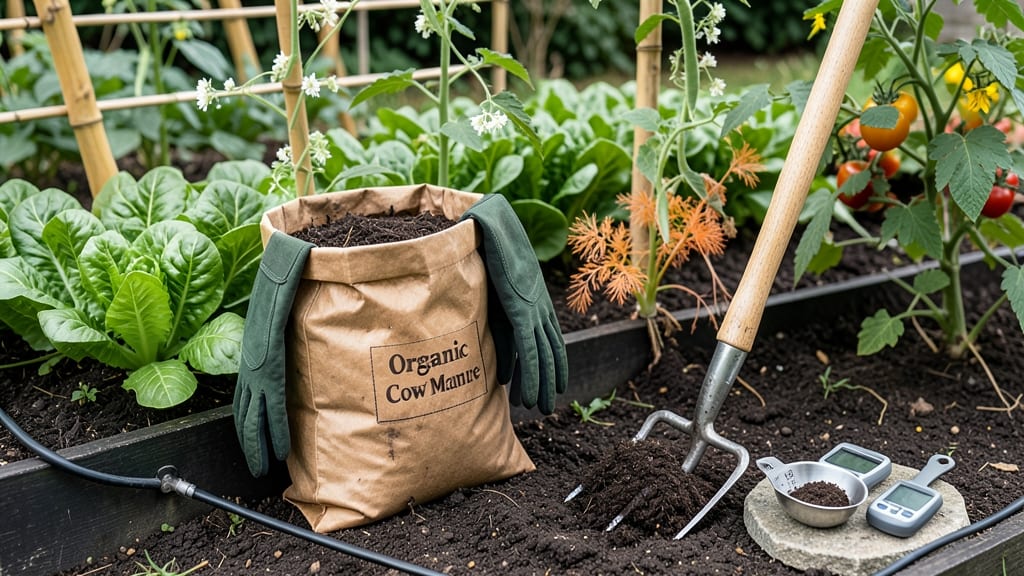
To determine how much cow manure for garden use, apply 1-2 inches of well-aged compost per square foot, working it into the top 6-8 inches of soil. Always compost fresh manure for 3-6 months first to prevent plant damage and pest attraction. Adjust these amounts based on your soil type—sandy soils need more, while clay soils require less.
Cow manure is a powerhouse for garden soil, but getting the ratio right makes all the difference. 🌱 The key is patience—fresh manure burns plants because its high ammonia content disrupts root systems, while aged compost releases nutrients gradually.
For vegetables, I recommend spreading 1 inch per square foot in fall, letting winter rains work it into the soil naturally. Flowers and lawns can handle slightly more, up to 2 inches, but always test your soil first to avoid overdoing it.
The composting process also reduces odor and eliminates weed seeds that might otherwise sprout in your beds.
What's fascinating is how cow manure transforms soil structure over time. It introduces beneficial microbes that break down organic matter, creating a sponge-like environment that holds moisture and air. Sandy soils benefit from the extra organic matter, while clay soils gain improved drainage.
I've seen gardens go from compacted and lifeless to rich and productive just by following these ratios consistently. The secret? Balance—too little won't help, but too much can create a nitrogen overload that actually harms your plants.
💡 In This Article
- Cow Manure Nutrient Breakdown and Soil Enrichment Effects
- Step-by-Step Guide to Applying Cow Manure in Gardens
Cow manure nutrient breakdown and soil enrichment effects
Cow manure boasts an average NPK ratio of 0.5-1.0-0.5 (nitrogen-phosphorus-potassium), but its real magic lies in the secondary nutrients and organic matter it delivers.
The nitrogen content (0.5-1.0%) primarily comes from urea and ammonia, which fresh manure releases rapidly—this is why unaged manure can "burn" plants by creating a toxic ammonia spike in the soil.
Aging for 3-6 months transforms these volatile compounds into stable organic nitrogen through microbial action, making it plant-safe while preserving the nutrient profile.
What sets cow manure apart is its 10-20% organic matter content, which acts like a soil conditioner. The fibrous structure from bedding (like straw or wood shavings) improves soil aeration and water retention, creating ideal conditions for beneficial microbes.
These microbes then break down the manure further, releasing nutrients gradually over 3-6 months—a process called mineralization. This slow-release mechanism is why aged manure works better than synthetic fertilizers for long-term soil health. The phosphorus (0.5%) supports root development, while potassium (0.5%) strengthens plant resilience to disease and drought.
The composting process also eliminates harmful pathogens and weed seeds that might otherwise contaminate your garden. Fresh manure contains 100,000+ coliform bacteria per gram, which can harm plants and humans, but proper composting reduces this to safe levels.
The temperature during composting (reaching 131-170°F in the center) sterilizes these contaminants while preserving the nutrient value. This is why I always recommend composting for at least 6 months—it's not just about safety, but also about unlocking the full potential of the manure's nutrients.
For different soil types, the effects vary dramatically. In sandy soils, cow manure's organic matter acts like a glue, binding loose particles and improving water-holding capacity by 20-30%. In contrast, clay soils benefit from the manure's fibrous structure, which creates macro-pores for better drainage.
The microbial activity stimulated by manure also boosts soil enzyme activity by up to 50%, accelerating nutrient cycling. This is why gardens amended with cow manure often show 30-50% higher yields compared to those using only synthetic fertilizers.
One often-overlooked benefit is the manure's effect on soil pH. Cow manure is slightly acidic (pH 6.5-7.5), which helps neutralize overly alkaline soils while providing essential micronutrients like calcium, magnesium, and sulfur.
The calcium content (about 0.5-1.0%) strengthens cell walls in plants, making them more resistant to pests and diseases. This holistic approach to soil enrichment is why cow manure remains a cornerstone of organic gardening—it doesn't just feed plants, it rebuilds the entire ecosystem beneath them. 🌱