
Tools
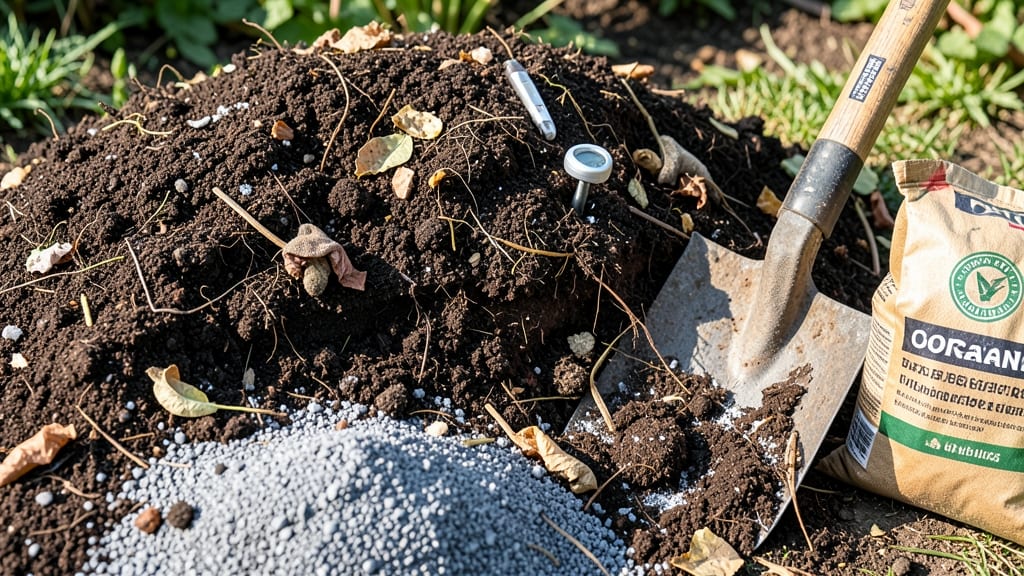
Firewood ash can be good for a garden by raising soil pH and providing potassium, but it must be used sparingly—too much can make soil too alkaline and harm acid-loving plants like blueberries or azaleas. Always test soil first and apply thinly.
Firewood ash contains essential minerals like potassium and calcium that can improve soil fertility, especially for plants needing a slight pH boost. 🌱 However, its high alkalinity means it should only be used in small amounts—think of it as a targeted soil amendment rather than a general fertilizer.
For example, a light sprinkle around tomatoes or peppers can enhance growth, but overdoing it risks creating an inhospitable environment for acid-loving plants. The key is balance: test your soil first to determine if your garden actually needs the pH adjustment.
When applying ash, focus on specific areas rather than spreading it broadly. A thin layer—about 1-2 pounds per 100 square feet—is plenty for most garden beds. Avoid using it near plants like hydrangeas or blueberries, which thrive in acidic conditions.
For compost piles, skip it entirely, as the sudden pH shift can disrupt decomposition. Instead, save it for spot treatments where you know the soil could benefit from a gentle alkalinity lift.
💡 In This Article
- How Firewood Ash Affects Soil Chemistry and Plant Health
- Safe Ways to Use Firewood Ash in Your Garden
How firewood ash affects soil chemistry and plant health
Firewood ash primarily contains potassium, calcium, and trace minerals like magnesium and phosphorus, which are crucial for plant growth. The potassium content—typically around 3-5% by weight—helps strengthen cell walls and improve drought resistance in plants. Meanwhile, calcium supports root development and prevents blossom-end rot in tomatoes.
However, the most dramatic effect comes from the ash's alkalinity, which can raise soil pH levels by up to 1.5-2.0 points depending on the wood type and burn efficiency.
The pH shift happens because ash contains carbonates and bicarbonates that neutralize acidic soil compounds.
For example, oak ash—common in many firewood mixes—has a pH of about 10.5, meaning just a few pounds can significantly alter the soil chemistry. 🌿 This alkalinity boost benefits plants like broccoli, cabbage, and carrots, which prefer slightly alkaline conditions.
But here's the catch: the same ash can turn lethal for acid-loving plants like azaleas or blueberries, whose roots struggle in pH levels above 6.0.
Overapplication disrupts soil microbial balance by creating an environment too alkaline for beneficial bacteria and fungi. These microorganisms play a key role in breaking down organic matter and making nutrients available to plants.
When soil pH exceeds 7.5, essential nutrients like iron, manganese, and zinc become chemically locked, leading to deficiency symptoms even when these minerals are present in the soil. The texture also changes—ash particles are coarse and gritty, which can alter soil structure over time if used excessively.
Consider the wood source: hardwoods like maple or oak produce ash with higher calcium content, while softwoods like pine contribute more potassium. The burn temperature matters too—hotter fires create finer ash particles that disperse more evenly in soil.
For instance, ash from a well-seasoned hardwood fire will have 20-30% less volume than green wood ash due to higher moisture content in the latter. This affects both nutrient concentration and application rates.
Think of ash as a precision tool rather than a broad-spectrum amendment. A light dusting around vegetable plants can provide a potassium boost without major pH shifts, while heavy applications risk creating a chemical imbalance.
The key is understanding your soil's current pH—most garden soils benefit from a target range of 6.0-7.0, where most plants thrive without nutrient lockout. For precise adjustments, consider testing before applying.
What most gardeners overlook is the ash's temporary nature. While it provides immediate potassium, the pH effects are short-lived unless continually reapplied. This makes ash an excellent tool for quick corrections but not a long-term solution for nutrient management.
For sustained benefits, pair it with organic matter like compost to maintain balanced soil chemistry over time. 🌱