
Tools
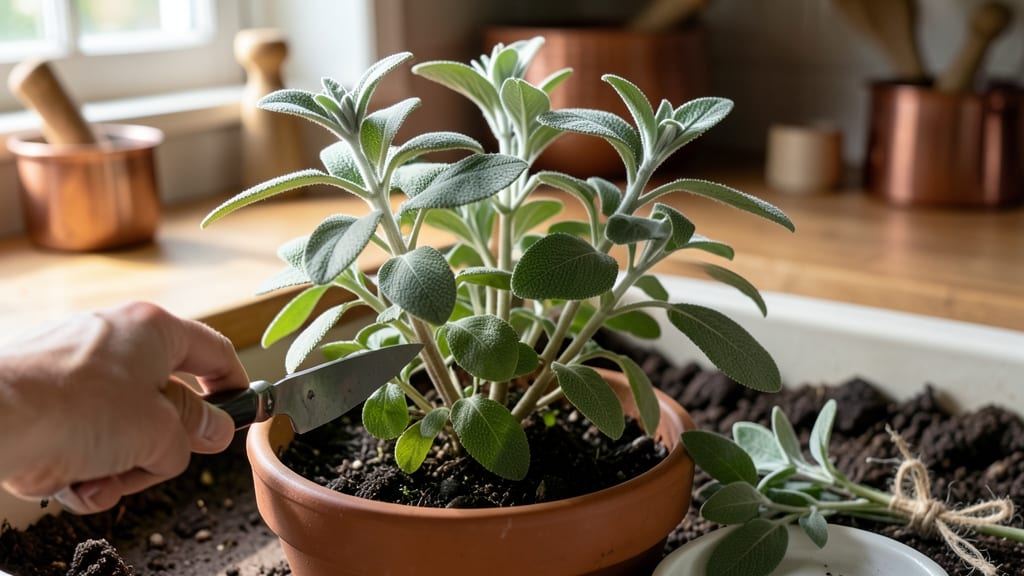
Yes, garden sage (Salvia officinalis) is completely edible and safe when harvested correctly, delivering a bold, earthy flavor perfect for seasoning roasted dishes, stuffings, and herbal preparations.
This hardy perennial isn't just ornamental—it's a kitchen staple with a distinctive peppery-savory profile that pairs beautifully with fatty meats like pork or chicken. 🌿 The key to enjoying it lies in proper harvesting: always pick leaves from the top third of the plant to encourage regrowth, and avoid overharvesting, which can stress the plant.
When using fresh leaves, a little goes a long way—they can become bitter if overused, so start with just 2-3 leaves per dish and adjust to taste.
Dried sage retains its flavor but intensifies it, making it ideal for long-cooking dishes like braises or homemade sausages. For best results, harvest leaves just before they fully open, then dry them in a dark, well-ventilated space for about 2 weeks.
Store dried sage in an airtight container away from light to preserve its potency for up to a year.
💡 In This Article
- Identifying Edible Sage Varieties and Safe Harvesting Practices
- Culinary Uses of Fresh, Dried, and Cooked Sage Leaves
Identifying edible sage varieties and safe harvesting practices
Garden sage (Salvia officinalis) belongs to the mint family and is easily recognized by its gray-green, oval-shaped leaves that grow in dense clusters along square stems.
The key to safe consumption is distinguishing it from toxic look-alikes like Salvia nemorosa (which lacks the same culinary uses and can cause digestive upset). True garden sage has a distinctive woody aroma when crushed, while toxic varieties often smell bitter or medicinal. 🌿
For harvesting, focus on the top third of mature leaves—these contain the highest concentration of essential oils like thujone and camphor, which contribute to its signature flavor. Avoid harvesting more than one-third of the plant at a time to prevent stressing the perennial.
The best time to pick is in the morning after the dew has evaporated, when the leaves are most fragrant and hydrated. Never harvest leaves that show signs of yellowing or pest damage, as these can introduce bitterness or contaminants.
Proper harvesting extends beyond the leaves—always use clean, sharp scissors or pruning shears to make clean cuts just above a leaf node. This encourages new growth and prevents disease.
If you're growing sage in containers, be mindful of its drought-tolerant nature; overwatering can lead to root rot, which compromises both the plant's health and the safety of its leaves. 💧
Overharvesting can turn your culinary herb into a bitter, less flavorful experience. The plant produces sesquiterpenes, compounds that increase in concentration when stressed, leading to that unpleasant sharpness. To maintain a steady supply, harvest leaves in small batches every 4-6 weeks during the growing season.
For a continuous harvest, consider planting multiple sage bushes rather than overworking a single plant.
When storing fresh sage, wrap the stems in a damp paper towel and place them in a sealed plastic bag in the fridge, where they'll stay fresh for up to 2 weeks.
For long-term storage, dry the leaves by hanging them in small bundles in a dark, well-ventilated area for 2-3 weeks. Once fully dried, store them in an airtight container away from light to preserve their potency for up to a year.
What most people don't realize is that sage's flavor profile changes dramatically with drying. Fresh sage has a bright, slightly peppery taste, while dried sage becomes more concentrated and earthy. This makes it perfect for slow-cooked dishes where its flavor can develop fully, like beef stews or homemade sausages.
The key is to use dried sage sparingly—about one-third the amount of fresh leaves—to avoid overpowering your dish.