
Pests
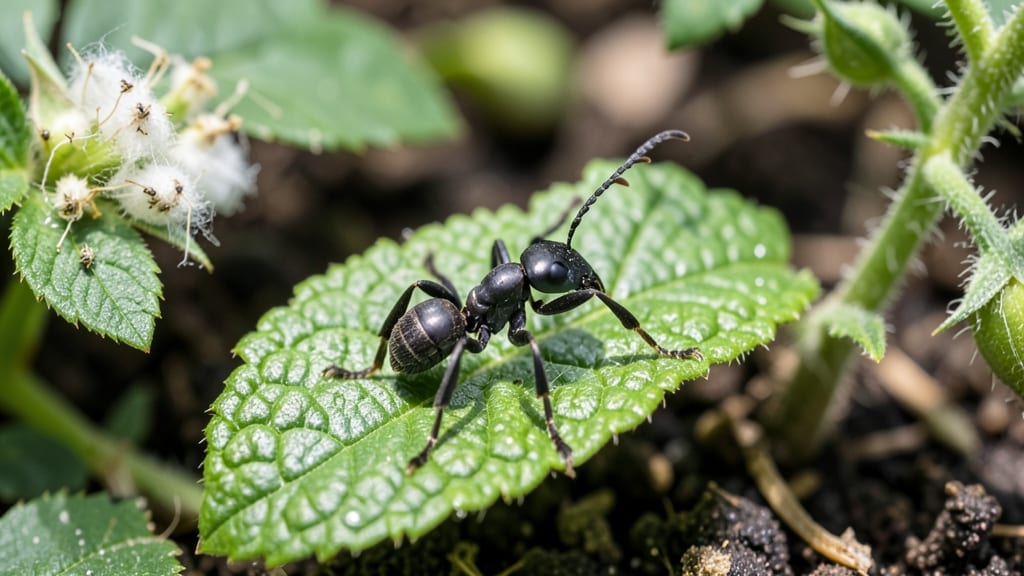
Having ants in your garden isn't always bad—they aerate soil, control pests like aphids, and fertilize plants with waste. However, aggressive species or large colonies can disrupt plant roots or attract nuisance pests, so balance is key for healthy gardens.
Ants actually play a crucial role in garden ecosystems by improving soil quality through their tunneling, which enhances aeration and water drainage. 🔥 Their natural pest control—like targeting aphids and other sap-sucking insects—can reduce the need for chemical interventions.
However, certain species like fire ants or Argentine ants can become invasive, damaging plant roots and competing with beneficial insects for resources. The key lies in monitoring their behavior and population size to maintain a healthy garden balance.
For example, small numbers of carpenter ants might indicate a larger pest problem (like termites), while harvester ants help break down organic matter.
If you notice trails of ants marching toward your prized plants or see mounds disrupting lawn aesthetics, it's time to take action—but not all ant activity requires intervention.
💡 In This Article
- How Ants Benefit and Harm Garden Ecosystems
- Managing Ants in Your Garden: Natural Solutions
How ants benefit and harm garden ecosystems
Ants act as nature's garden engineers, creating extensive tunnel networks that improve soil structure by breaking up compacted earth and enhancing aeration. These tunnels allow water and nutrients to penetrate deeper, which is especially beneficial for root systems of larger plants like roses or fruit trees.
Studies show that gardens with active ant colonies often exhibit 20-30% better water drainage compared to ant-free soils, reducing erosion risks during heavy rains. Their waste—primarily nitrogen-rich—also acts as a slow-release fertilizer, providing essential nutrients like phosphorus and potassium that plants can absorb over time.
The real game-changer is their pest control abilities. Ants are natural predators of garden pests like aphids, caterpillars, and even small beetles that can devastate crops. For instance, Argentine ants are known to reduce aphid populations by up to 75% in treated areas, cutting down the need for chemical pesticides.
However, not all ants are created equal—some species like fire ants can actually protect aphids by "herding" them to protect their honeydew secretions, creating a harmful symbiotic relationship that benefits neither the plant nor the gardener.
Where ants become problematic is when their activities directly harm plants. Aggressive species like fire ants (Solenopsis spp.) build large mounds that can smother grass and disrupt root systems, while carpenter ants may tunnel into weak wood structures like trellises or fence posts.
The real damage comes from their indirect effects: large colonies can attract nuisance pests like termites or even rodents seeking shelter in their tunnels. What's more, some ants release formic acid when threatened, which can burn tender plant leaves and stems, especially in young seedlings.
Consider the case of harvester ants (Pogonomyrmex spp.), which primarily feed on seeds. While they help break down organic matter, their foraging can deplete seed banks in your garden, reducing the natural regeneration of flowers and vegetables.
Meanwhile, pavement ants (Tetramorium spp.) are more likely to invade homes than harm plants, but their presence often indicates moisture issues or poor drainage in your garden beds. The key distinction lies in observing their behavior—are they actively protecting your plants or exploiting them?
Scientists have found that ant diversity in gardens correlates with overall ecosystem health. A balanced ant population typically includes 5-10 species, each playing a specific role. For example, acrobat ants (Crematogaster spp.) help disperse seeds, while little black ants (Monomorium spp.) focus on controlling smaller pests.
When you notice a sudden spike in one species—especially if they're marching in organized trails toward your plants—it's often a sign their population has grown unchecked, creating an imbalance that can tip toward harm rather than help.
One fascinating mechanism is how ants communicate through pheromone trails. When you see a single file of ants moving toward your tomato plants, they're following a scent path left by scout ants who discovered a food source.
This behavior can become problematic when they start recruiting thousands of workers to exploit your garden's resources, leading to visible damage over time. Understanding these communication patterns helps explain why ant problems often escalate quickly once they gain a foothold.