
Container Gardens
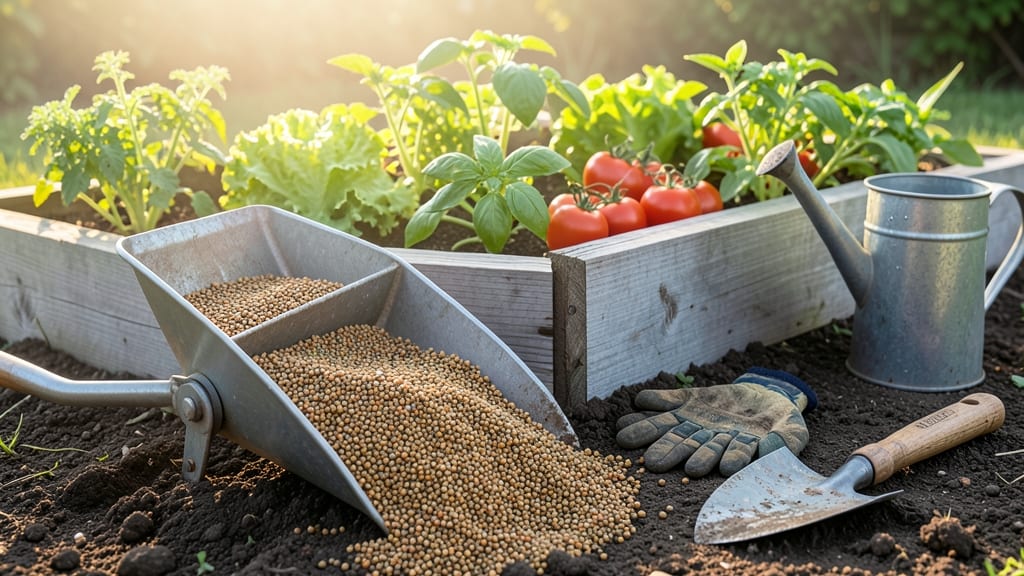
Timing for fertilizing your garden depends on plant type and growth stage: apply slow-release fertilizer in early spring for perennials and vegetables, side-dress nitrogen-heavy feed mid-season for leafy greens, and use bloom-boosting formulas before flowering plants open. Test soil first to avoid overfeeding.
Understanding when to fertilize your garden starts with recognizing how plants absorb nutrients differently throughout their life cycles. 🌱 Early spring is ideal for perennials and vegetables because their roots are actively growing after dormancy, allowing them to utilize nutrients efficiently.
For leafy greens like spinach or kale, a mid-season nitrogen boost helps maintain vibrant foliage, while flowering plants need phosphorus-rich fertilizers just as buds begin to form. The key is matching fertilizer types to your plants' current needs—think of it like feeding them the right meal at the right time.
Regional climate plays a surprisingly big role too. In warmer zones, you might fertilize twice a year, while cooler climates often benefit from three applications.
Organic fertilizers release nutrients more slowly, so they work best when applied earlier in the season, while synthetic fertilizers can be used more precisely for immediate needs.
I always recommend keeping a garden journal to track what worked best each year—it's amazing how small adjustments can lead to big differences in plant health and yield.
💡 In This Article
- How Plant Life Cycles Dictate Fertilizer Timing
- Seasonal Fertilizing Schedule by Plant Category
How plant life cycles dictate fertilizer timing
Plants have distinct growth phases where they're primed to absorb nutrients differently. Early spring is when most perennials and vegetables emerge from dormancy, and their roots begin actively growing at soil temperatures above 50°F.
This is your window to apply slow-release fertilizers because the plants can utilize nutrients as their root systems expand. Think of it like a newborn baby—it needs steady nourishment to grow strong, not a sudden feast that could overwhelm its tiny system.
The science behind this involves how roots develop. In the first 4-6 weeks of active growth, plants focus on establishing their root networks, which is when phosphorus becomes crucial for energy transfer. Once roots are established (typically by late spring), nitrogen becomes the priority for leafy growth.
Soil microbes also play a role—warmer temperatures (60-70°F) activate beneficial bacteria that break down organic fertilizers, making nutrients available to plants. This microbial activity peaks during active growing seasons, which is why timing matters so much.
For flowering plants, the story changes dramatically. When buds begin forming, plants shift their energy toward reproductive growth, demanding higher phosphorus levels to support flower and fruit development. This is why bloom-boosting fertilizers with a higher middle number (like 5-10-5) work best when applied 4-6 weeks before flowering.
The key is matching fertilizer types to your plants' current needs—just as you wouldn't feed a toddler the same meals as a teenager, plants have different nutritional requirements at each life stage.
Dormancy is another critical factor. Many perennials and woody plants go dormant in winter, conserving energy until spring. Fertilizing during dormancy can actually harm plants by encouraging weak, vulnerable growth that won't survive cold temperatures.
The exception is evergreens, which continue slow growth year-round and may benefit from light feeding in late summer to prepare for winter. This is why understanding your specific plants' life cycles is more important than following a one-size-fits-all schedule.
Let's talk about leafy greens for a moment—they're particularly sensitive to timing. Spinach, kale, and lettuce grow best with consistent nitrogen supply throughout their 30-60 day harvest window. Side-dressing with compost or applying liquid fertilizer every 3-4 weeks maintains their vibrant green color and crisp texture.
The contrast with flowering plants couldn't be more dramatic—where greens need steady nitrogen, flowers demand phosphorus to trigger blooming. This biological difference explains why a single fertilizer won't work for all garden needs.
What most gardeners don't realize is how soil temperature affects nutrient availability. When soil is cold (below 50°F), microbial activity slows dramatically, meaning organic fertilizers release nutrients at a crawl.
This is why synthetic fertilizers can be more effective in cooler climates—they dissolve immediately and become available to plants. In warmer regions, organic fertilizers work beautifully because the microbes stay active year-round, creating a steady nutrient supply.
This regional variation is why your neighbor's perfect fertilization schedule might not work in your garden.
Here's a pro tip: Pay attention to your plants' color and growth patterns. Yellowing leaves often signal nitrogen deficiency, while purple stems indicate phosphorus needs. These visual cues help you adjust your fertilization timing mid-season.
I've learned through experience that the best gardeners aren't the ones who fertilize most frequently—they're the ones who observe and respond to their plants' specific needs at each growth stage. 🌱