
Planting
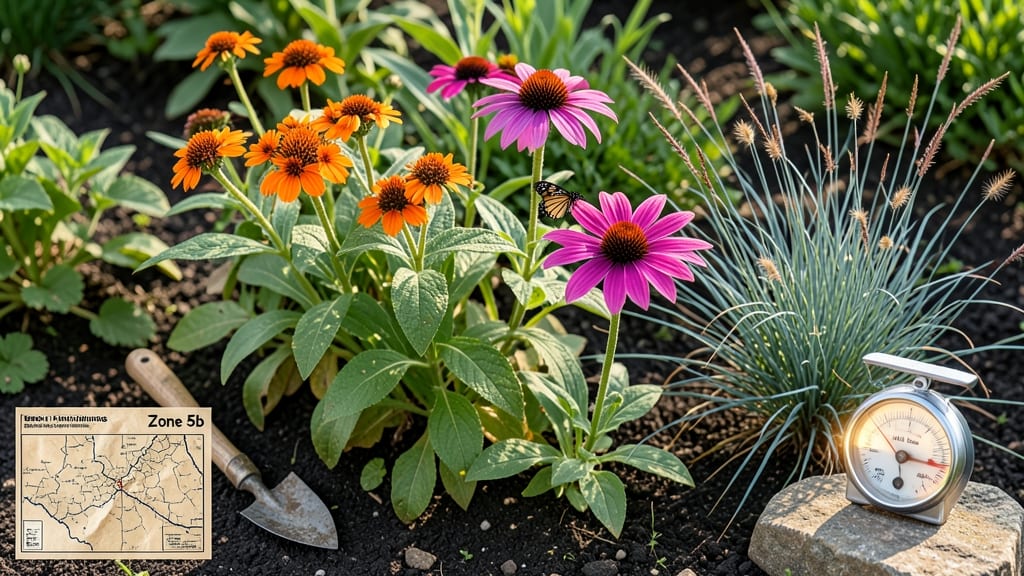
Understanding Kansas gardening zones helps you plan for USDA Zones 5b-7a, where last frost dates typically fall between April 15–May 1 and first frosts arrive October 15–October 30, depending on local elevation and microclimates. These ranges directly impact when to plant vegetables, perennials, and annuals for optimal growth.
Kansas's diverse geography means frost dates can shift dramatically even within a single county. 🌱 The western plains often warm up faster than the eastern hills, creating microclimates where tomatoes might be safe by May 1 in Garden City but still need row covers in Topeka.
I've found that checking your specific zip code on the USDA Plant Hardiness Zone Map reveals surprising variations—some areas in Zone 6a can push warm-season crops a week earlier than the general guideline. For perennials like lavender, these zone differences determine whether they'll survive winter dormancy or need winter protection.
Beyond zones, soil temperature plays a critical role in Kansas planting success.
Most cool-season crops like kale and peas can handle 40°F soil, while warm-season favorites like tomatoes need 60°F+ before transplanting. 🌿 I recommend using a soil thermometer to avoid planting too early—even if the air feels warm, cold ground can stunt seed germination.
The state's variable climate means your exact planting window might differ by 10-14 days from the average frost dates, so always monitor local forecasts in the weeks leading up to your target planting dates.
💡 In This Article
- Kansas USDA Plant Hardiness Zones and Frost Date Variations
- Kansas Planting Calendar by Crop Type: When to Start Seeds and Transplant
Kansas USDA plant hardiness zones and frost date variations
Kansas's gardening zones aren't just numbers—they reflect the state's dramatic climate shifts caused by topography and wind patterns. The 5b-7a range exists because western plains warm faster than eastern hills, creating microclimates where frost dates can differ by 2-3 weeks between neighboring towns.
For example, Wichita (Zone 7a) typically sees its last frost by April 10, while Hays (Zone 6a) often waits until April 25. This happens because the western plains experience less cloud cover and more direct sunlight, accelerating spring warming.
The USDA zones directly control plant survival through dormancy triggers. Trees like redbuds (Zone 6) enter winter dormancy when nighttime temperatures drop below 45°F for 4+ weeks, while crepe myrtles (Zone 7) tolerate 15°F without damage.
These thresholds explain why Zone 5b areas need cold-hardy perennials like Russian sage, while Zone 7a can support tender plants like bougainvillea with winter protection. 🌿 The state's historical frost records show a 10-day trend toward earlier springs since 1980, meaning traditional planting dates now need adjustment.
Urban heat islands add another layer—cities like Kansas City experience 5-10°F warmer nights than rural areas, delaying first frosts by 7-10 days. This urban effect creates "frost pockets" where cold air settles in low-lying areas, potentially damaging tender plants even when city centers remain frost-free.
For gardeners, this means verifying local frost data through tools like the National Oceanic and Atmospheric Administration's (NOAA) Frost/Freeze Products, which provide hyperlocal predictions down to 1-mile resolution.
Wind patterns further complicate frost timing. The state's prevailing westerly winds can push cold fronts 20-30 mph faster across the eastern third, creating sudden temperature drops that catch gardeners off guard.
I've seen cases where 60°F daytime highs could plunge to 32°F by midnight—this is why Kansas gardeners swear by frost cloth for warm-season transplants until May 15, regardless of zone.
Seasonal transitions also vary by elevation. The Flint Hills' 1,200-1,800 ft elevation creates cooler microclimates where Zone 6a plants thrive, while the Arkansas River Valley's lower elevation supports Zone 7a crops.
These variations mean your 5 miles from a neighbor could put you in a different planting window—always check your exact coordinates in the USDA Interactive Zone Map for precision.
For perennials, these zone differences determine winter survival. For example, Echinacea (coneflower) in Zone 5b may need mulch to protect roots from -15°F temperatures, while the same plant in Zone 7a thrives with minimal care.
The key is matching plant hardiness ratings to your specific zone—most nursery tags list both USDA zones and cold tolerance thresholds in °F.