
Tools
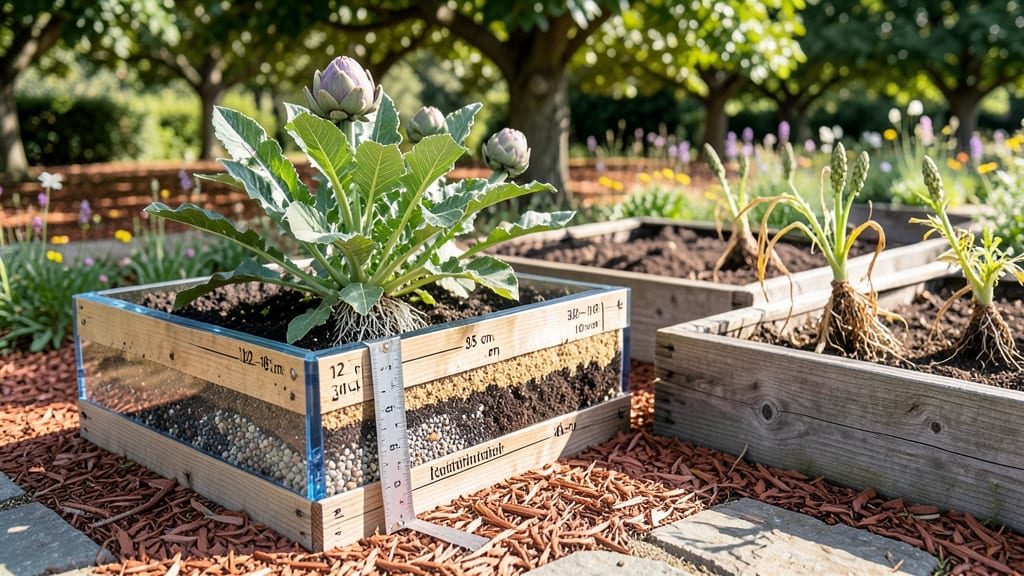
Determining optimal raised garden bed depth depends on your plants' root systems: most vegetables thrive in beds 6 to 12 inches deep, balancing root space with drainage, while deeper beds (18+ inches) accommodate root crops like carrots or potatoes, and shallow beds (4-6 inches) suit herbs and leafy greens.
The right depth isn't just about fitting roots—it's about creating an ecosystem where plants can access nutrients, water, and oxygen without becoming waterlogged. 🌱 For example, deep-rooted vegetables like asparagus or parsnips need at least 18 inches of soil to develop properly, while shallow-rooted herbs like basil or thyme can thrive in just 4-6 inches.
I've found that adding a layer of compost or well-rotted manure at the bottom of deeper beds boosts early-season growth by providing a nutrient-rich foundation.
Another key factor is drainage. Beds that are too shallow may dry out quickly, while overly deep beds can become waterlogged, especially in clay-heavy soils.
A good rule of thumb is to include a layer of gravel or coarse sand at the bottom of your bed to improve drainage while still maintaining the right depth for your plants. This approach ensures your garden stays productive without compromising soil health.
💡 In This Article
- How Root Systems Influence Raised Bed Depth Requirements
- Choosing the Right Raised Bed Depth for Your Plants
How root systems influence raised bed depth requirements
The science behind raised bed depth starts with understanding how different plants grow underground. Most vegetables have either taproots (like carrots or radishes) that grow deep and thick, or fibrous roots (like lettuce or spinach) that spread out near the surface.
Taproots need 12-18 inches of loose soil to develop properly, while fibrous-rooted plants thrive in just 6-12 inches. This difference explains why a 12-inch bed works for tomatoes but feels too shallow for parsnips.
Root depth also affects nutrient and oxygen access. Deeper beds allow roots to reach subsoil layers rich in minerals, while shallow beds rely on topsoil nutrients that deplete faster.
Oxygen availability is another critical factor—compacted soil at the bottom of shallow beds can suffocate roots, reducing growth by up to 30% compared to well-aerated deeper beds. The ideal depth creates a balance where roots can explore without hitting physical barriers like bed liners or hardpan.
Consider how soil composition changes with depth. The top 6 inches of soil contains the most organic matter and microbes, while deeper layers provide stability and moisture retention. For example, a 10-inch bed gives lettuce enough space to develop its shallow roots while still accessing the nutrient-rich topsoil.
Meanwhile, a 16-inch bed lets potatoes grow tubers deeper without competing for space with surface roots.
Water dynamics play a role too. Deeper beds hold more moisture in their soil profile, reducing the frequency of watering needed. However, they must include drainage layers (like 2-3 inches of gravel) to prevent waterlogging, which can rot roots.
Shallow beds dry out faster but require less maintenance—ideal for drought-tolerant herbs like rosemary or oregano.
Here’s a quick comparison of root types and their depth needs:
- Taproots (deep): Carrots (12-18"), potatoes (12-16"), asparagus (18+")
- Fibrous roots (shallow): Lettuce (6-8"), spinach (6-10"), basil (4-6")
- Medium roots: Tomatoes (10-12"), peppers (8-12"), beans (8-10")
What most gardeners overlook is how bed depth affects microclimates. Deeper beds stay cooler in summer and warmer in winter, protecting roots from temperature extremes.
For instance, a 12-inch bed maintains 5-10°F cooler soil temps than a 6-inch bed during heatwaves, which is crucial for heat-sensitive crops like peas or cucumbers.