
Planting
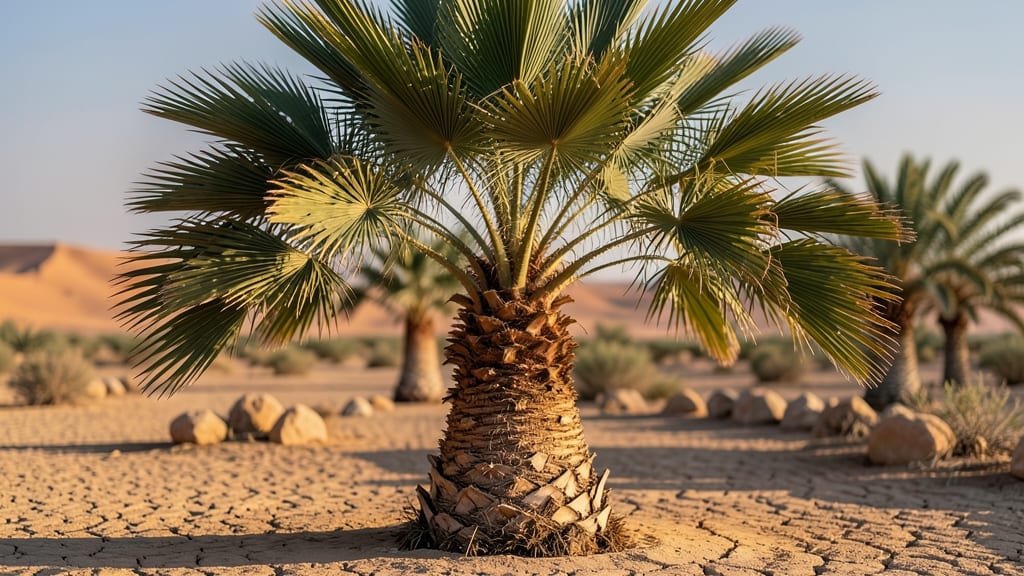
Gardening in Phoenix’s USDA 10b-12a zone means you can plant almost any crop year-round thanks to its frost-free climate. With last frost dates in December and first frosts never occurring, warm-season crops like tomatoes and peppers thrive starting in March, while cool-season crops like lettuce and broccoli grow best from October to April.
The Phoenix gardening zone's unique desert climate creates a frost-free growing environment that most gardeners only dream about. 🌵 Unlike northern regions, Phoenix's elevation and urban heat island effect keep temperatures consistently warm, allowing for extended growing seasons.
This means you can enjoy fresh produce from your garden almost 12 months a year, with minimal risk of frost damage. The key is understanding which crops thrive in the intense summer heat versus the milder winter months, so you can plan your planting schedule accordingly.
For warm-season crops, March through October is prime time, while cool-season vegetables like kale and spinach perform best when planted between September and March. 🌱 The city's dry climate also means you'll need to focus on irrigation strategies that conserve water while keeping roots hydrated, especially during the scorching summer months when temperatures regularly exceed 100°F.
This frost-free advantage transforms Phoenix into one of the most productive gardening zones in the country.
💡 In This Article
- Phoenix’s Microclimates and Frost-Free Gardening Realities
- Phoenix Planting Calendar by Crop Type and Season
Phoenix’s microclimates and frost-free gardening realities
Phoenix’s frost-free status comes from its unique combination of desert climate, urban heat island effect, and elevation. The city sits at 1,100 feet above sea level, where cold air settles and warms quickly, preventing frost formation.
Even in winter, temperatures rarely drop below 35°F, creating a microclimate where most crops can grow year-round. The urban heat island effect—where buildings and pavement absorb and radiate heat—can make downtown areas 5-10°F warmer than surrounding desert regions, further extending growing seasons.
Microclimates vary dramatically across neighborhoods. For example, the South Mountain Preserve area can experience slightly cooler temperatures due to elevation changes, while downtown Phoenix stays warmer year-round. Even within a single yard, south-facing slopes absorb more heat, while shaded areas remain cooler.
This means gardeners should test their microclimate by monitoring soil temperatures—ideal planting occurs when soil reaches 60°F for warm-season crops and 50°F for cool-season varieties. 🌡️
Phoenix’s extreme temperature swings—from 100°F+ summers to 50°F winters—require strategic planning. Warm-season crops like tomatoes and peppers thrive in summer’s intense heat but need shade cloth during peak afternoons to prevent wilting.
Meanwhile, cool-season crops like lettuce and spinach grow best in winter’s milder days but may bolt (flower prematurely) if exposed to sudden heat spikes above 75°F. The key is selecting heat-tolerant varieties, such as ‘Black Krim’ tomatoes or ‘Heatmaster’ peppers, which can withstand temperatures other plants can’t.
Water management becomes critical in this climate. Phoenix’s 110+°F summer days evaporate moisture rapidly, requiring drip irrigation systems that deliver water directly to roots while minimizing evaporation. Mulching with 2-3 inches of organic matter helps retain soil moisture and regulate temperature, creating a more stable growing environment.
Even in winter, when rain is scarce, supplemental irrigation may be needed to prevent soil from drying out completely.
Another reality is the lack of traditional frost dates. While most gardening guides reference last/first frost dates, Phoenix’s climate data shows no consistent frost patterns. Instead, gardeners rely on heat accumulation units (growing degree days) to determine planting windows.
For instance, tomatoes need 1,200-1,500 growing degree days above 50°F to mature, which Phoenix easily provides in just 90 days during summer months.
Consider these microclimate factors when planning your garden layout:
- Elevation: Higher areas (like Camelback Mountain) may experience cooler nights, while lower elevations stay warmer.
- Wind exposure: Open areas dry out faster; windbreaks (like fences or hedges) help retain moisture.
- Building proximity: Structures can create "heat pockets" that extend growing seasons near walls or foundations.
Leverage these microclimate advantages by planting heat-loving crops like okra and sweet potatoes in summer, while cool-season crops like cabbage and carrots thrive in winter’s milder conditions. The result? A garden that produces fresh, homegrown food year-round without the frost-related setbacks found in colder climates. ✨