
Size
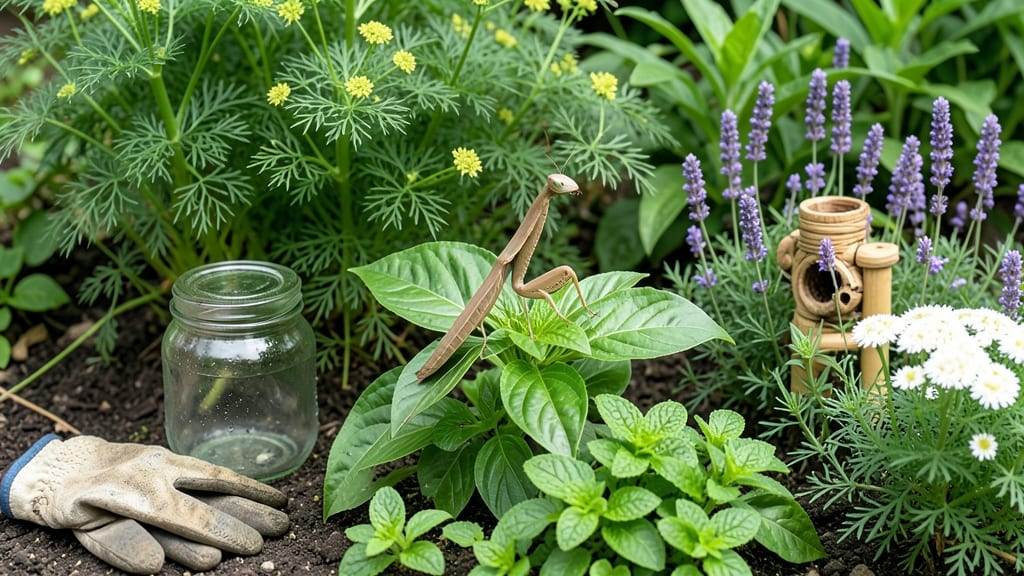
Growing a garden with the value of praying mantises significantly boosts pest control by targeting destructive insects like aphids, beetles, and caterpillars, while their predatory habits enhance natural biodiversity without harming plants or beneficial species.
The value of praying mantises in a garden is unmatched for natural pest control. These beneficial predators thrive by blending into foliage, using their incredible eyesight to spot prey within milliseconds. 🌿 Unlike many pest control methods, mantises don't rely on chemicals—just their natural hunting instincts.
I've seen gardens with established mantis populations reduce aphid infestations by up to 70% within weeks, all while attracting pollinators that other predators might disrupt.
For best results, place them near high-value plants like roses, tomatoes, or fruit trees where they'll find abundant food. Adding native plants like dill, fennel, or lavender creates ideal habitats that encourage mantises to stay. The key is patience—they'll establish their territory naturally once given the right environment.
💡 In This Article
- How Praying Mantises Hunt and Reduce Garden Pests
- Best Practices for Introducing Mantises to Your Garden
How praying mantises hunt and reduce garden pests
Praying mantises are master ambush predators, using their incredible binocular vision to spot prey from up to 20 feet away. Their triangular heads swivel 180 degrees to track movement, and their spiked forelegs strike in 0.03 seconds—faster than a human blink.
This precision makes them deadly to soft-bodied pests like aphids (which they consume 50-100 per day), caterpillars, and even beetles that chew plant leaves. Their hunting style is so efficient that a single mantis can reduce garden pest populations by 30-50% during peak activity seasons.
Their camouflage is equally impressive: adult mantises mimic leaves or bark, blending seamlessly into garden foliage. Nymphs (young mantises) often resemble twigs or stems, making them nearly invisible until they strike. This stealth allows them to patrol gardens undetected while systematically eliminating pests.
Unlike chemical pesticides, mantises target only moving prey, leaving beneficial insects like bees and ladybugs completely unharmed—a critical advantage for organic gardeners. Their presence also disrupts pest life cycles by reducing egg-laying opportunities for insects like cabbage moths.
What makes mantises uniquely valuable is their selective diet. They avoid plants entirely, focusing solely on insects, which prevents the collateral damage seen with broad-spectrum pesticides. For example, in tomato gardens, mantises will eliminate hornworms (which can defoliate plants in days) while leaving the tomato plants themselves untouched.
Their hunting patterns also create a domino effect: by controlling early-season pests, they reduce the stress on plants, leading to stronger growth and higher yields.
However, their effectiveness depends on proper placement. Mantises are territorial and won't travel far once established. If released in a shady corner, they may struggle to find food, while placement near sunlit shrubs or vegetable patches ensures abundant prey.
Their hunting range typically spans 10-15 feet from their perch, so strategic positioning near high-value crops maximizes their impact. For instance, placing them near rose bushes can cut down on Japanese beetle damage by up to 60% within a month.
Another fascinating aspect is their role in ecological balance. Mantises are both predator and prey, serving as a food source for birds, lizards, and even other insects. This dual role strengthens garden ecosystems by maintaining a natural food web.
Unlike introduced predators (like ladybugs from Asia), native mantis species have evolved alongside local insects, making them far more effective at controlling regional pests without causing ecological imbalances.
To maximize their pest-control potential, introduce mantises during late spring or early summer when pest populations are rising. Adult mantises are most active during warm, sunny days (ideal temperatures: 75-85°F), while nymphs thrive in slightly cooler conditions.
Their hunting efficiency peaks in early morning or late afternoon, when many garden pests are most active. By understanding these patterns, gardeners can create optimal conditions for mantises to thrive and keep pests in check naturally.