
Watering
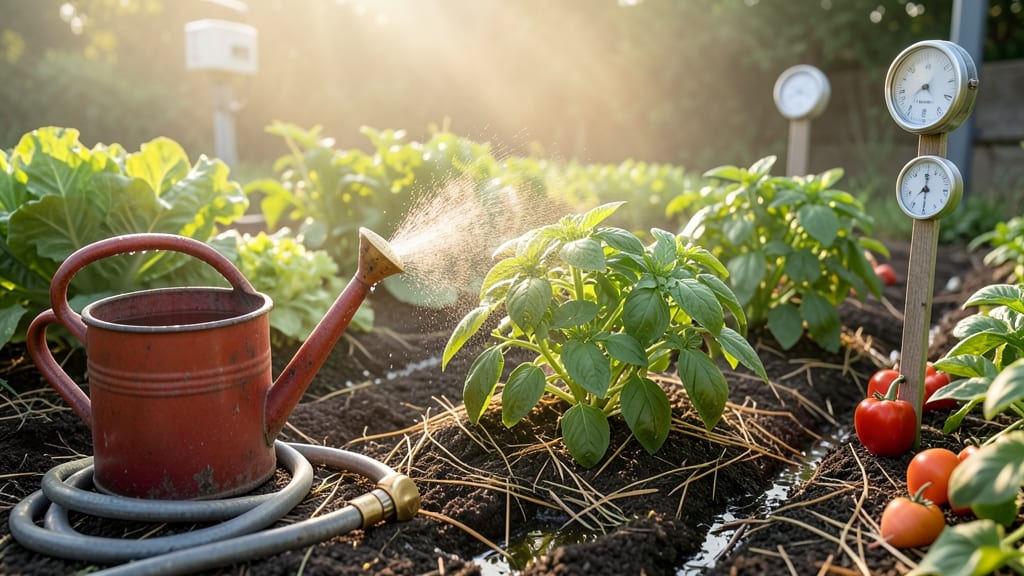
Watering your vegetable garden the right way—how often and how much—makes the difference between a garden that thrives and one that struggles.
Most gardeners guess, leading to either soggy soil that chokes roots or dry, crispy leaves that leave you scratching your head. The truth? Your veggies don’t all drink the same way—tomatoes need deep soaks, while leafy greens prefer frequent sips.
In this guide, I’ll break down the exact watering schedule for every stage of growth, from seedlings to harvest, and how to adjust for your climate—whether you’re battling summer heat or winter chill.
You’ll learn the best times to water, how to tell if you’re overdoing or underdoing it, and simple tricks like mulching to keep moisture where it belongs. No more wasted water, no more wilted disappointment—just a garden that feeds you.
Optimal watering frequency for common vegetables by growth stage
Watering your vegetable garden isn’t a one-size-fits-all task—it changes dramatically as plants grow. Seedlings need gentle moisture to establish roots, while mature plants with fruit or flowers demand deep, consistent hydration.
Understanding these stages helps you avoid underwatering stress or overwatering diseases like fungal infections. Let’s break down the science-backed schedule for your most common crops.
For example, tomatoes and peppers have vastly different needs during their fruiting stage compared to their seedling phase. Leafy greens like lettuce and spinach prefer frequent, shallow watering, while root vegetables such as carrots and potatoes thrive with deep, infrequent soaking.
The key is matching your watering routine to each plant’s growth stage and root depth.
During the seedling stage, most vegetables need frequent but light watering to prevent seed rot and encourage root growth. For instance, tomato seedlings should receive water every 2-3 days using a spray bottle or gentle watering can.
Overhead watering at this stage can dislodge delicate seedlings, so aim for the soil surface only.
As plants transition to the mature stage, their water needs increase but become more predictable. Peppers and tomatoes benefit from deeper watering every 3-5 days, while leafy greens like spinach prefer more frequent, shallow watering.
Always water at the base of the plant to avoid wetting foliage, which reduces disease risk. Use a trowel to check soil moisture—if the top 1-2 inches feel dry, it’s time to water.
When vegetables reach their fruiting or harvest stage, consistency is critical. Tomatoes and cucumbers may need daily watering during hot weather to prevent blossom-end rot or fruit cracking. Root vegetables like carrots and potatoes can handle slightly less frequent watering but still require deep soaking every 7-10 days.
Pay attention to wilting leaves or yellowing foliage, which are classic signs
Adjusting your watering schedule by climate & season
Your vegetable garden’s watering needs aren’t one-size-fits-all—they shift dramatically based on where you live and what season it is. In Mediterranean climates, summer droughts demand deep, infrequent watering, while tropical zones may need daily hydration during monsoon seasons.
Even temperate regions swing from spring showers to winter dormancy. Without adjusting, you’ll either drown roots or watch plants wilt in heatwaves.
I’ve grown veggies across four distinct climates, and the biggest lesson? Soil moisture is your best guide. Stick your finger 1-2 inches deep—if it’s dry, water; if damp, wait. But climate tweaks this rule.
For example, desert gardens need water at dawn to prevent evaporation, while humid tropical areas risk fungal diseases if you water after dark. Let’s break down how to tailor your schedule.
In Mediterranean climates, I’ve seen tomatoes thrive with drip irrigation on timers—delivering water slow and deep to mimic rainfall.
For desert gardens, switch to clay pots (they wick moisture) and water only when the soil is bone-dry. Temperate zones are forgiving: focus on mulching in winter to insulate roots, and reduce watering as days shorten.
Meanwhile, tropical gardens need airflow—space plants widely and water early to let foliage dry before nightfall.
Pro tip: Drought-resistant plants like zucchini, eggplant, and okra handle heat better than lettuce or spinach. If you’re in a dry climate, prioritize these over moisture-lovers. For humidity-prone areas, opt for amaranth or swiss chard, which tolerate wet feet better than most.
Always check the soil type—sandy soil drains fast, while clay holds moisture longer, so adjust accordingly.
One mistake I see often? Overwatering in cool weather. Roots rot in soggy soil, even in winter. Use a moisture meter ($10 at garden centers) to avoid guesswork.
And if a heatwave hits? Shade cloth (30–50%) can cut water needs by 40%. Your garden’s resilience depends on reading the climate—and listening to your plants.
🌱