
Tools
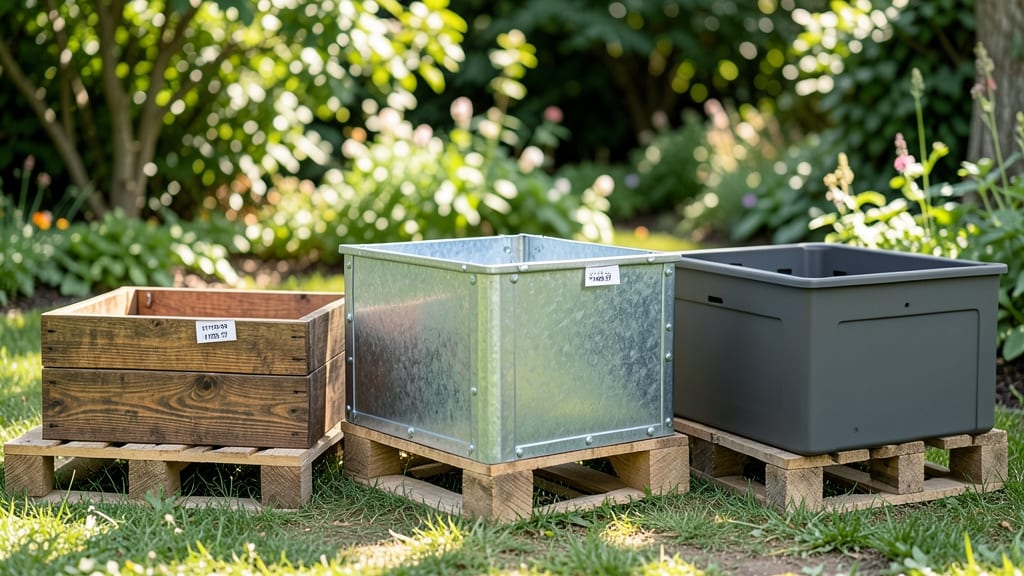
The price of raised garden beds varies widely, typically ranging from $50 for basic kits to over $1,500 for premium models, with cedar beds ($100–$400 for 4x8 ft) offering a mid-range balance, while composite ($200–$600) and metal ($300–$1,000+) options skew higher. DIY assembly can slash expenses by 30–50%, though pre-built units often include labor and structural guarantees.
The price of raised garden beds depends heavily on the materials you choose and whether you opt for pre-assembled or DIY kits.
Cedar remains the most popular due to its natural resistance to rot and insects, but it requires regular sealing to maintain its lifespan. 🌿 Composite beds, while pricier upfront, offer longevity and low maintenance, making them ideal for areas with harsh weather.
Metal beds, though durable, tend to heat up faster in sunlight, which can impact plant roots if not properly insulated. Size and depth also play a role—deeper beds (12+ inches) cost more but allow for better root growth and larger plants.
For budget-conscious gardeners, buying individual components and assembling them yourself can save hundreds, especially when sourcing lumber from home improvement stores during sales. Pre-assembled beds often include hardware and assembly instructions, but they typically come with a higher price tag due to labor and shipping costs.
Always check for seasonal discounts or bundle deals, as many retailers offer reduced rates during spring planting season.
💡 In This Article
- How Raised Garden Bed Materials Affect Costs
- Budget-Friendly Ways to Buy Raised Garden Beds
How raised garden bed materials affect costs
The material you choose for your raised garden bed isn't just about looks—it directly impacts your wallet over time. Cedar, the classic choice, typically costs $100–$400 for a 4x8 ft bed because it's naturally rot-resistant and insect-repellent, thanks to its high tannin content.
However, cedar requires sealing every 1–2 years to maintain its durability, adding $20–$50 in maintenance costs annually. The wood's natural oils also make it resistant to warping, which extends its lifespan to 10–15 years with proper care.
Composite materials, like recycled plastic lumber, run $200–$600 for the same size, but they eliminate the need for sealing and last 20–25 years or longer. The higher upfront cost pays off in low maintenance—no staining, no splinters, and resistance to pests and weather extremes.
Metal beds, often galvanized steel or aluminum, start at $300–$1,000+ due to the cost of materials and fabrication. While they’re durable and termite-proof, they can heat up in sunlight, which may require adding insulation or shade cloth to protect plant roots, especially in hot climates.
Durability and maintenance needs create a cost trade-off over time. Cedar offers a mid-range balance: affordable upfront but with ongoing upkeep. Composite beds win for longevity and minimal maintenance, making them ideal for high-traffic areas or urban gardens where upkeep is a priority.
Metal beds appeal to those who want maximum durability and pest resistance, though their heat retention can be a drawback in warmer regions.
For example, a cedar bed might cost $300 initially but require $300+ in sealant and repairs over 15 years, while a composite bed at $500 could last twice as long with no extra costs.
Sustainability also plays a role in long-term value. Cedar is a renewable resource if sourced from sustainably managed forests, while composite materials reduce landfill waste by repurposing plastic. Metal beds, though recyclable, have a higher carbon footprint due to manufacturing.
If you prioritize eco-friendliness, consider locally sourced cedar or recycled composite options—both offer strong environmental benefits compared to traditional lumber or new metal.
Another factor is how each material interacts with your soil and plants. Cedar leaches tannins into the soil, which can inhibit plant growth if not lined with landscape fabric. Composite and metal beds avoid this issue, making them safer for sensitive plants like strawberries or herbs.
The choice ultimately depends on your budget, climate, and gardening goals—whether you prioritize short-term savings, long-term durability, or environmental impact.
For instance, in coastal areas with high humidity, cedar’s natural resistance to rot makes it a smart investment, while in dry climates, metal beds might overheat without proper insulation.
Always weigh the upfront cost against the material’s lifespan and maintenance requirements to find the best value for your specific needs. 🌱