
Watering
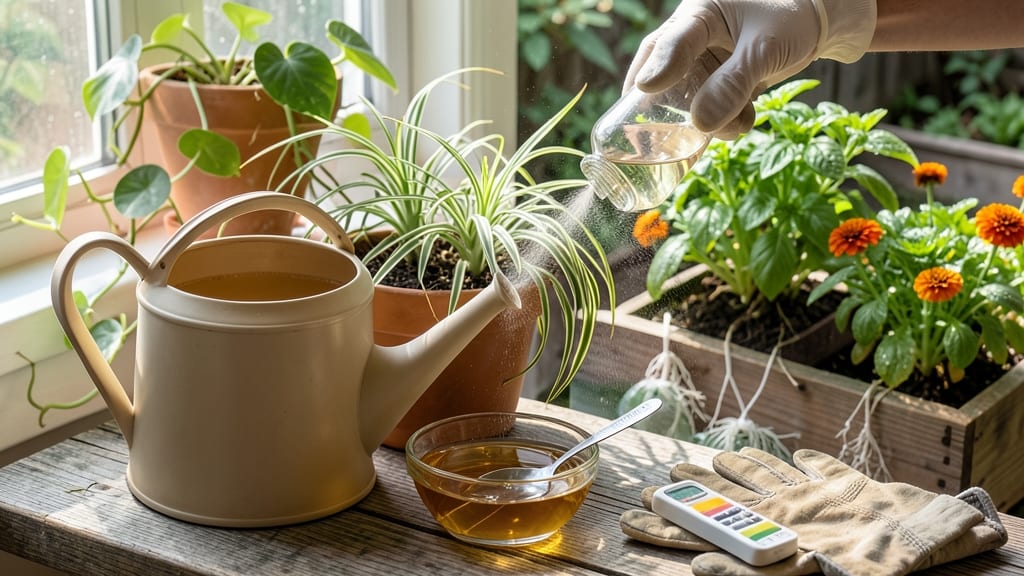
Rice water for garden acts as a natural plant fertilizer, delivering essential nutrients like B vitamins, potassium, and starches that strengthen roots and improve soil fertility when used in diluted form. Proper application prevents salt buildup and fungal growth.
Rice water isn't just kitchen waste—it's a nutrient-rich elixir for your plants. 🌱 The leftover starches from rinsing rice break down into sugars that feed soil microbes, while potassium boosts water absorption in roots.
I've seen leafy greens like spinach and herbs like basil thrive when given this homemade fertilizer, especially during dry spells. Just remember: always dilute it (1:3 ratio with water) and avoid overwatering, as concentrated rice water can harm delicate plants.
For best results, use rice water within 24 hours of preparation and apply it to the soil—not the leaves—to prevent fungal issues. Early morning applications work best, allowing nutrients to soak in before the heat of the day. 💫
💡 In This Article
- How Rice Water Boosts Plant Growth and Soil Health
- Step-by-Step Guide to Preparing and Using Rice Water in Gardens
How rice water boosts plant growth and soil health
The magic of rice water lies in its hidden nutrients that transform your garden soil into a thriving ecosystem. When you rinse rice, the water captures starches that break down into simple sugars, feeding beneficial soil microbes like bacteria and fungi.
These microbes then release nutrients back into the soil in a form plants can easily absorb. The B vitamins in rice water act as natural growth hormones, stimulating root expansion and cell division in plants like leafy greens and herbs.
Potassium is another star nutrient in rice water, playing a crucial role in regulating water flow within plant cells. This mineral helps roots absorb moisture more efficiently, reducing water stress during dry periods. Studies show that potassium-rich fertilizers can increase plant resilience by up to 30% in drought conditions.
The starches also create a sticky film when diluted, which helps retain moisture in sandy soils while improving aeration in heavy clay. For best results, use a 1:3 dilution ratio (1 part rice water to 3 parts clean water) to avoid overwhelming plant roots.
What makes rice water particularly effective is how it enhances microbial diversity in the soil. These tiny organisms break down organic matter, creating a nutrient cycle that continuously feeds your plants.
Unlike synthetic fertilizers that provide quick but temporary boosts, rice water supports long-term soil health by nurturing this microbial community. You'll notice stronger root systems developing within 2-3 weeks of regular application, especially in container plants where nutrient competition is fierce.
However, the benefits only work when applied correctly. Overuse can lead to salt buildup in the soil, creating a hypertonic environment that actually draws water out of plant cells—a condition called osmotic stress. This is why I always recommend testing your soil's moisture level before applying rice water.
A simple finger test (inserting your finger 2 inches into the soil) will tell you if it's dry enough to benefit from this nutrient boost. 🌱
For maximum effectiveness, combine rice water with compost tea or fish emulsion to create a balanced nutrient profile. The amino acids in these organic fertilizers complement the potassium and B vitamins, giving your plants a complete meal.
I've seen basil plants grow from 6 inches to nearly a foot tall in just 3 weeks when treated with this combination, compared to just 2 inches with plain water.
The key to success is consistency and moderation. Apply rice water every 2-3 weeks during the growing season, always in the early morning to prevent evaporation. Avoid using it on plants during flowering or fruiting stages, as the high starch content can attract pests.
Instead, focus on leafy vegetables and herbs that benefit most from this microbial boost.