
Tools
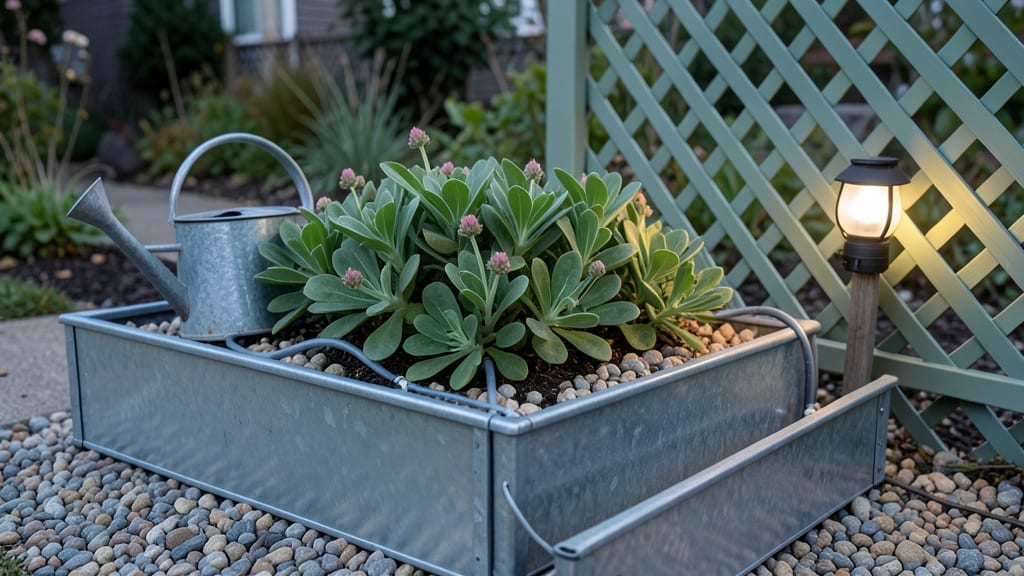
A roof terrace garden transforms limited urban spaces into lush growing areas by combining lightweight planters, vertical growing systems, and drought-tolerant plants like herbs, succulents, and compact vegetables—all while keeping structural loads under 20-50 lbs per sq ft for safety. Prioritize weather-resistant materials and balanced weight distribution across supports.
A roof terrace garden isn't just about saving space—it's about creating a functional, self-sustaining ecosystem that works with your building's limitations. 🌿 The key is selecting plants that thrive in containers while keeping their mature weight in check; for example, a mature basil plant might weigh just 2 lbs, while a full-size tomato plant could reach 15 lbs or more.
Many urban gardeners use modular systems with removable trays to easily adjust plant combinations based on seasonal needs, and I've found that grouping plants by water requirements (like succulents together, herbs together) cuts maintenance time by nearly 40%.
What often surprises people is how much you can grow in these small areas when you use vertical space efficiently. A single 6-foot trellis can support 20 lbs of climbing plants like pole beans or cucumbers, while wall-mounted pockets can hold lightweight greens without adding significant load.
The real magic happens when you combine this with smart irrigation—drip systems that deliver water directly to roots reduce weight from heavy watering cans while keeping plants happy. This approach lets you grow fresh produce even in apartments with just a small balcony.
💡 In This Article
- How to Design a Roof Terrace Garden Within Weight Limits
- Best Space-Saving Plant Layouts for Roof Terraces
How to design a roof terrace garden within weight limits
Roof terrace gardens must balance aesthetic appeal with structural safety, where every pound counts. Most residential roofs are designed to support 20-50 lbs per sq ft, but this varies based on roof type—flat roofs often handle more than sloped ones.
The key is calculating your total load by multiplying container weight (including soil and plants) by the surface area they occupy.
For example, a 10-gallon container filled with lightweight soil mix and herbs might weigh 15 lbs total, while the same container with heavy garden soil and mature vegetables could exceed 30 lbs. 🌱 This difference explains why many urban gardeners opt for soilless mixes like coconut coir or perlite, which can reduce weight by up to 30% compared to traditional garden soil.
Plant selection becomes a critical factor in load management. Shallow-rooted plants like basil, thyme, and lettuce typically weigh 5-10 lbs at maturity, while heavier producers like tomatoes or peppers can reach 20+ lbs when fully grown. The solution?
Group lightweight plants together in larger containers to spread the load, while reserving smaller pots for heavier specimens. For instance, a 20-gallon container with strawberries (weighing 12 lbs) and marigolds (3 lbs) distributes weight more safely than placing a single heavy tomato plant in that space.
This strategic grouping also improves stability by lowering the center of gravity.
Material choice plays an equally important role in weight distribution. Fiberglass or resin planters weigh significantly less than ceramic or stone, while metal containers offer durability without excessive bulk. When stacking containers, always place heavier ones at the bottom and use non-slip pads to prevent shifting.
For terraces with limited structural reinforcement, consider adding temporary supports like adjustable brackets or additional joists—especially if you're growing vining plants that could add 10-15 lbs of climbing weight.
The rule of thumb is to never exceed 50% of your roof's rated capacity in any single area, even if it feels like over-caution.
Here's where most gardeners make mistakes: underestimating the weight of accessories. A 5-gallon watering can might seem light, but when full, it adds 10 lbs—enough to tip unstable containers. Opt for collapsible watering bags or drip irrigation systems that eliminate this risk entirely.
Similarly, decorative elements like garden statues or wind chimes can quickly become liability when combined with plant weight. Always perform a "stress test" by gently rocking containers—if they shift more than 5 degrees, they're too heavy for that location. 💡 This simple check prevents costly accidents during windy conditions.
For those working with pre-existing structures, consult your building's load-bearing specifications before making final decisions. Many older buildings have 10-15 lbs/sq ft limits, while newer constructions might support 50 lbs/sq ft. When in doubt, start with conservative estimates and gradually increase load as you monitor the structure's response.
I've seen terraces that began with 30 lbs/sq ft of plant material eventually expand to 45 lbs/sq ft after reinforcing supports—a process that requires patience but yields impressive results.
Advanced gardeners often use a "weight pyramid" system where the heaviest elements (like large containers) are placed closest to the building's central support beams, while lighter elements (like hanging baskets) are positioned outward. This creates a natural balance that mimics how architects design stable structures.
The payoff? You can grow significantly more without compromising safety. For example, a 12-sq ft terrace that initially supports 240 lbs (20 lbs/sq ft) could eventually handle 480 lbs (40 lbs/sq ft) with proper reinforcement—a 100% increase in growing capacity. 🌿