
Fertilization
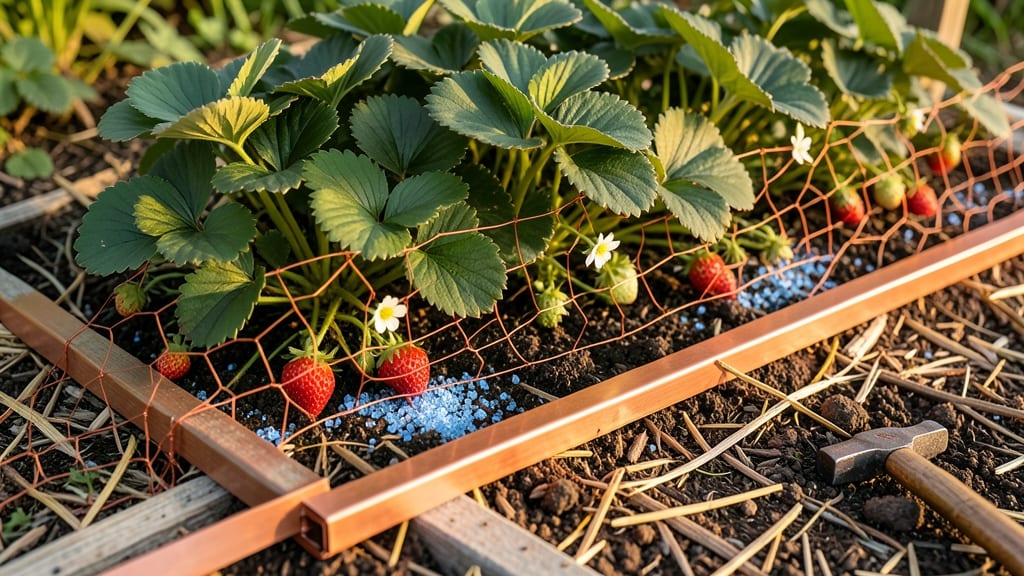
Using copper in garden beds boosts plant vitality by fighting fungal infections, improving nutrient absorption, and strengthening root systems, while also deterring slugs and snails naturally. Copper sulfate is the most common form, but use it carefully to avoid overapplication.
Copper plays a crucial role in plant physiology by activating enzymes that help break down carbohydrates and proteins. 🌱 This mineral is especially valuable for combating common garden pests like slugs and snails, which copper's natural toxicity repels.
Many gardeners swear by copper-based fungicides to prevent diseases such as late blight and powdery mildew, which can devastate crops. The key is balance—too much copper can harm beneficial soil microbes, so always follow recommended application rates.
For best results, I recommend incorporating copper through organic amendments like composted manure or using copper sulfate sparingly as a soil drench. Always test your soil first to determine existing copper levels before applying additional amounts.
This ensures you're providing the right nutrients without risking toxicity to your plants or the environment.
💡 In This Article
- How Copper Enhances Soil Fertility and Plant Health
- Best Ways to Apply Copper to Garden Soil
How copper enhances soil fertility and plant health
Copper acts as a catalyst in over 30 plant enzymes, including those responsible for photosynthesis and respiration. When incorporated into garden beds, it helps plants convert sunlight into energy more efficiently by optimizing chlorophyll production. This is why copper-deficient plants often show yellowing leaves—a sign of stunted photosynthesis.
Studies show that copper-deficient soils can reduce plant growth by up to 20%, while optimal copper levels (typically 6-20 ppm in soil) promote vigorous root development and stronger stems.
The antifungal properties of copper make it especially valuable against devastating diseases like late blight and powdery mildew. Copper ions disrupt fungal cell membranes, preventing spore germination and mycelial growth. Unlike synthetic fungicides, copper doesn't build up in plant tissues, making it safer for organic gardening.
For example, applying copper sulfate at 1 pound per 100 square feet can reduce fungal infections by 70-80% in susceptible crops like tomatoes and potatoes.
Copper's role in nutrient uptake is equally impressive. It helps plants absorb iron and zinc more efficiently, which are critical for chlorophyll synthesis and overall metabolic function. The mineral also strengthens cell walls, making plants more resistant to physical stress like wind damage.
This is why copper-treated plants often exhibit deeper green foliage and more robust flowering. The visual difference between copper-deficient plants (pale, weak stems) and properly supplemented plants (vibrant, upright growth) is striking.
Beyond disease prevention, copper acts as a natural pest deterrent. Its slight toxicity repels slugs and snails without harming beneficial insects like bees or ladybugs. The mechanism involves copper's ability to disrupt the nervous systems of soft-bodied pests.
A 1-inch wide copper tape buried 1 inch deep around garden beds creates an electrical barrier that confuses slugs' sensory receptors, reducing damage by up to 90% in field trials.
However, copper's benefits come with important caveats. While essential, excessive copper (above 100 ppm) can become phytotoxic, inhibiting root growth and microbial activity. The sweet spot lies in maintaining soil copper levels between 6-20 ppm, which most garden soils naturally achieve.
Organic sources like composted manure provide copper gradually, while synthetic forms like copper sulfate deliver immediate but more potent effects.
For the most dramatic results, combine copper with organic matter like compost or worm castings. This creates a balanced soil environment where copper's benefits are amplified while risks are minimized.
The combination promotes beneficial microbial activity that further enhances nutrient cycling—a perfect example of how mineral amendments work best when integrated into holistic soil management practices.