
Tools
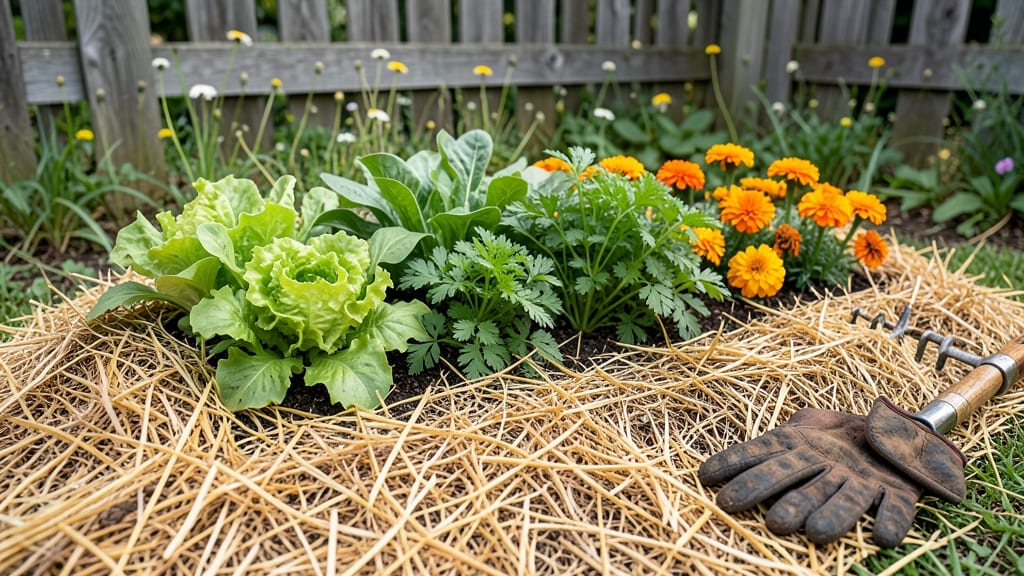
Incorporating straw into your garden can do more than just mulch—it shields tender plants from frost damage, smothers weeds, locks in moisture for container gardens, and deters pests like slugs while gradually enriching the soil as it decomposes.
Straw's versatility comes from its unique structure—it traps moisture near plant roots while allowing air circulation, unlike dense mulches that can suffocate soil. 🌱 For seedlings, a light straw layer acts like a cozy blanket, protecting them from temperature swings and even providing a physical barrier against hungry pests.
I've seen gardeners use straw in unexpected ways, like lining raised beds to prevent erosion or filling gaps in container gardens to keep soil evenly moist.
What makes straw stand out is its dual role as both a protective layer and a soil amendment. Unlike synthetic mulches, straw breaks down into organic matter, feeding beneficial microbes and improving soil structure over time.
Plus, it's cost-effective and widely available, making it a smart choice for both beginner and experienced gardeners.
💡 In This Article
- How Straw Protects Plants and Soil in Unexpected Ways
- 5 Creative Straw Uses for Gardeners Beyond Traditional Mulching
How straw protects plants and soil in unexpected ways
The magic of straw lies in its fibrous structure—each stalk creates tiny air pockets that trap moisture while allowing oxygen to reach plant roots.
Unlike dense mulches like grass clippings, straw's loose arrangement lets water penetrate 3-4 inches deeper into soil, reducing evaporation by up to 70% in dry conditions. 🌱 This moisture retention is especially critical for container gardens where soil dries out faster due to limited mass.
Straw's insulation properties work like a thermal blanket for plants. During nighttime temperature drops, a 3-inch layer can protect seedlings from frost damage by maintaining soil temperatures 5-10°F warmer than bare soil.
The straw's cellulose fibers also act as a physical barrier against wind, preventing soil erosion that could expose delicate roots. Unlike synthetic mulches, straw's organic nature allows it to decompose slowly, releasing nutrients over time rather than creating a sudden nitrogen spike like fresh grass clippings.
Weed suppression happens through two mechanisms: light deprivation and physical obstruction. Straw blocks 90-95% of sunlight from reaching weed seeds, preventing germination. The fibrous texture also creates a rough surface that makes it difficult for weeds to establish roots.
Unlike plastic mulches that can suffocate soil, straw maintains soil aeration while still smothering weeds—ideal for organic gardens where chemical weed killers aren't an option.
What sets straw apart is its role in soil microbial activity. As it decomposes, straw creates microhabitats for beneficial bacteria and fungi that break down organic matter. This process improves soil structure by increasing porosity, allowing roots to penetrate more easily.
Studies show straw-amended soil retains 20-30% more water than untreated soil while maintaining better drainage than clay-heavy mulches like wood chips.
For pest control, straw's coarse texture creates an inhospitable environment for slugs and snails. The sharp edges of decomposed straw can damage their soft bodies, while the dry conditions discourage their movement.
Unlike chemical deterrents, straw works as a physical barrier without harming beneficial insects like ladybugs or bees that pollinate your garden. 🌿
When comparing straw to other organic mulches, it stands out for its balance of benefits. While wood chips provide long-term insulation, they decompose slowly and can tie up nitrogen. Grass clippings work quickly but may introduce weeds and require frequent replenishment.
Straw offers a middle ground—it decomposes at a steady rate, provides immediate moisture retention, and remains weed-free if properly sourced (free from seed contaminants).