
Vegetables
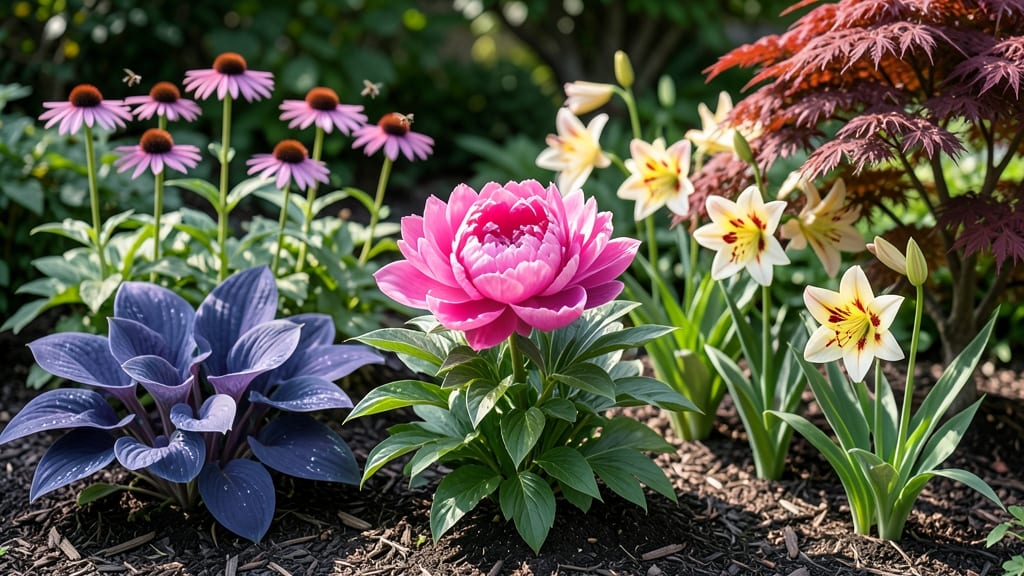
Toronto Botanical Gardens is a sprawling 200-acre green sanctuary that transforms plant science into an immersive experience through themed gardens, educational exhibits, and conservation-focused displays. This urban oasis blends natural landscapes with curated collections like the Japanese Garden and medicinal plant displays, all designed to foster sustainable gardening practices and nature appreciation.
The gardens' layout is thoughtfully organized to showcase Canada's diverse ecosystems while offering hands-on learning opportunities. 🌿 Visitors can wander through seasonal floral displays, explore the children's garden designed for interactive play, or discover the native plant meadows that support local biodiversity.
The educational programs—from workshops to guided tours—make it perfect for both casual explorers and gardening enthusiasts looking to deepen their knowledge.
What sets this green space apart is its commitment to accessibility and year-round engagement. The glasshouse and pollinator garden are often overlooked but offer unique perspectives on plant conservation. Whether you're a local or tourist, the gardens provide a refreshing escape that combines beauty, education, and practical gardening inspiration.
💡 In This Article
- Exploring Toronto Botanical Gardens’ Signature Plant Collections
- Planning Your Visit: Best Times, Entry Tips, and Hidden Gems
Exploring Toronto botanical gardens’ signature plant collections
The gardens' layout follows a meticulously designed ecological framework that mimics Canada's diverse plant regions. You'll find the Japanese Garden, a serene 3-acre space featuring traditional elements like koi ponds, stone lanterns, and meticulously pruned maples—each plant selected for its cultural and botanical significance.
The garden's design incorporates wabi-sabi philosophy, where imperfection in nature (like moss-covered rocks) becomes an aesthetic feature, creating a meditative atmosphere that contrasts with the bustling city just minutes away.
For plant enthusiasts, the Edible Garden offers a hands-on experience with over 200 varieties of vegetables, herbs, and fruits arranged in raised beds. This section demonstrates sustainable growing techniques like companion planting (e.g., basil next to tomatoes to repel pests) and vertical gardening using trellises.
The Medicinal Plant Garden takes it further by showcasing 150+ species used in traditional and modern medicine, complete with informative signs detailing each plant's therapeutic properties—like echinacea for immune support or chamomile for relaxation.
The native plant meadows serve as living classrooms for biodiversity, featuring 30+ species of grasses and wildflowers that thrive without irrigation. These areas demonstrate how native plants support local ecosystems by providing food for pollinators and shelter for beneficial insects.
The glasshouse, a year-round gem, maintains 25°C humidity to cultivate tropical plants like orchids and ferns that wouldn't survive Toronto's winters, offering a glimpse into global plant diversity.
Seasonal displays rotate to highlight Canada's changing ecosystems—spring features 6,000+ tulips in vibrant colors, while autumn showcases crisp foliage collections from maples to ginkgo trees.
The children's garden stands out with interactive elements like a water play area and sensory pathways designed to engage young visitors through touch and sound, making complex botanical concepts accessible through play.
What makes these collections unique is their integration of science and art. For example, the pollinator garden uses bee-friendly plants arranged in a way that guides pollinators through the space, demonstrating how garden design can actively support wildlife.
The conservation gardens focus on threatened species, like the butterfly weed, which helps sustain monarch butterfly populations—a critical issue in North America.
Visitors often overlook the seasonal floral displays, which feature 10,000+ blooms arranged in themed sections like "Garden of the Gods" or "Romantic Garden." These displays aren't just decorative—they're curated to showcase horticultural techniques like deadheading (removing spent blooms) and staking (supporting tall plants), providing practical tips for home gardeners.
The gardens' sustainable practices, like rainwater harvesting and composting, further reinforce their educational mission.
Whether you're admiring the Japanese Garden's meticulous balance or learning about medicinal herbs in the healing garden, each collection offers a deeper connection to nature's complexity. The gardens prove that plant science isn't just about botany—it's about creating spaces that inspire, educate, and protect our natural world. 🌿