
Planting
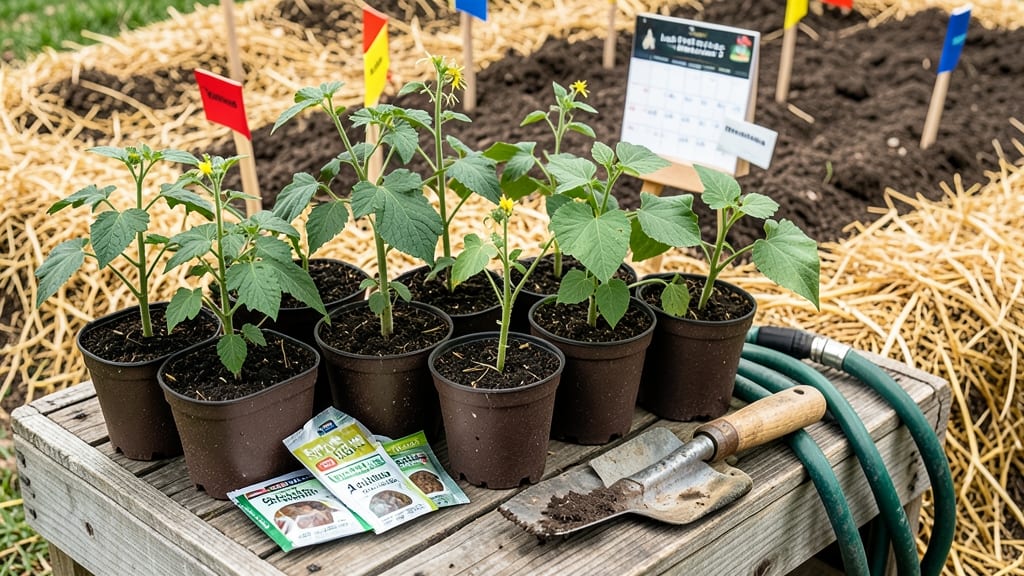
Planting a garden in Alabama at the right time ensures your 🌱 General Alabama Garden thrives year-round, whether you're growing tomatoes or snapdragons.
Miss that window, and you’ll either lose tender seedlings to a late frost or watch your summer crops wilt under Alabama’s relentless heat. The difference between a bountiful harvest and a frustrating failure often comes down to knowing when to plant in zones 7a and 7b.
Spring planting kicks off in late February for hardy greens, but wait until early April for heat-loving peppers and squash. Fall offers a second chance with cooler temps starting in August—just don’t let frost catch you off guard in November.
Below, I break down the exact timing for Alabama’s two zones, plus pro tips to beat humidity, pests, and unpredictable weather. Ready to grow like a local?
Alabama planting calendar: Zone 7a vs 7b month-by-month guide
Alabama’s USDA Zones 7a and 7b offer distinct microclimates that affect your planting schedule. Zone 7a (cooler) has last frost dates around March 15, while Zone 7b (warmer) can plant 2-3 weeks earlier.
Understanding these differences helps you avoid frost damage or stunted growth from late planting. Whether you're growing cool-season greens or heat-loving tomatoes, timing is critical for success.
For both zones, the growing season stretches from late February to early November, but Zone 7b’s warmer temperatures allow for longer harvest windows. I’ll break down month-by-month planting windows, crop-specific timing, and key differences between these two zones to help you plan your garden like a pro.
In Zone 7a, where last frost dates average March 15, I recommend starting cool-season crops like lettuce and spinach indoors in February. By March, you can direct sow hardy vegetables like peas and radishes while protecting tender seedlings with row covers.
After the last frost (typically mid-April), shift to warm-season plants such as tomatoes and peppers.
Zone 7b’s warmer microclimate allows for earlier planting of cool-season crops—direct sow greens by early March and transplant warm-season crops by early April.
This extended growing window means you can harvest two rounds of greens (spring and fall) and even grow heat-loving crops like okra and sweet potatoes longer into the season.
For warm-season vegetables, wait until soil temperatures reach 60°F (15°C) before planting. In Zone 7a, this usually means mid-April, while Zone 7b gardeners can start 2 weeks earlier. Tomatoes and peppers thrive in Alabama’s heat, but succession planting every 2 weeks ensures continuous harvests.
Fall planting is another critical window. In both zones, start cool-season crops indoors in August for early September transplants. Zone 7b’s later frost dates (around November 15) let you harvest greens until December, while Zone 7a gardeners should aim to harvest before November 1 to avoid frost damage.
Herbs like basil and cilantro also follow seasonal rules. Plant basil after last frost (April in 7a, March in 7b) and cilantro in early spring or fall to avoid bolting in summer heat. Perennial herbs like rosemary and thyme can be
Top 5 crops to plant early in Alabama (before May 15)
Alabama’s early spring offers the perfect window to grow fast-maturing, cold-tolerant crops before temperatures climb. By planting these high-yield varieties before May 15, you’ll beat the heat and enjoy fresh harvests all season. These crops thrive in Alabama’s Zone 7a/7b climate and can handle light frosts while delivering quick rewards.
I’ve selected these five crops based on their Alabama-specific success rates, ease of growth, and ability to extend harvests through succession planting. Whether you’re a beginner or seasoned gardener, these picks will give you a jumpstart on your garden while minimizing risks from late frosts or summer heat.