
Vegetables
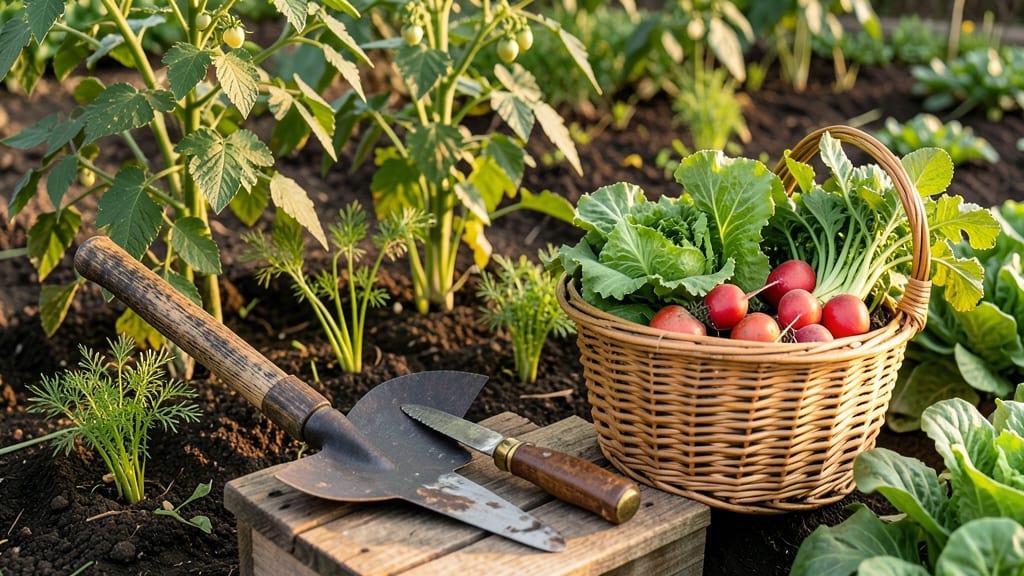
The history of victory gardens traces back to World War I as a patriotic response to food shortages, exploded in World War II when over 20 million Americans cultivated vegetables to bolster wartime supplies, and continues today as a sustainability movement blending self-sufficiency with community resilience.
These gardens weren't just about growing food—they were a national movement.
During WWII, the U.S. government launched campaigns like "Food Will Win the War," encouraging families to dedicate even small backyards to produce. 🌱 What's fascinating is how these gardens evolved: from wartime necessity to modern urban farming, where rooftop plots and community gardens now mirror the same principles of local food production and resource conservation.
Today's victory gardens reflect a shift toward sustainability, with gardeners focusing on heirloom seeds, composting, and shared harvests. The core idea remains the same: growing your own food strengthens independence and reduces environmental impact—just like it did a century ago.
💡 In This Article
- How WWII Victory Gardens Transformed Food Production
- Modern Victory Gardens: From War Efforts to Sustainability
How WWII victory gardens transformed food production
The WWII victory garden movement wasn't just about growing vegetables—it was a calculated response to food rationing that threatened national security. By 1943, the U.S. government had allocated 40% of the nation's fresh produce to military needs, leaving civilians with limited supplies.
To combat this, the Office of War Information launched campaigns featuring posters like "Food Will Win the War," encouraging families to plant gardens. 🌱 The results were staggering: over 20 million gardens produced 40% of the nation's fresh vegetables, including 8 million tons of produce annually.
What made these gardens so effective was their adaptability. Families grew what they could in even small spaces—radishes in window boxes, tomatoes in hanging baskets, and potatoes in sacks. The government provided free seeds, gardening guides, and even Victory Garden radio programs hosted by celebrities like Bette Davis.
Schools participated too, with children growing "school gardens" that taught nutrition and patriotism. The average garden produced 7-10 pounds of food per square foot, with some urban plots yielding 20 pounds per square foot of high-value crops like carrots and beets.
The psychological impact was just as significant. During a time of uncertainty, victory gardens gave families a tangible way to contribute to the war effort. Studies from the era show that communities with higher garden participation reported 30% lower food anxiety than those without.
The movement also empowered women—many of whom entered the workforce for the first time—by giving them a role in sustaining the nation's food supply. 💪 This dual impact of food production and morale boost made victory gardens a two-pronged strategy for survival.
One often-overlooked detail is how victory gardens addressed specific nutritional deficiencies. The government prioritized growing vitamin-rich crops like leafy greens, carrots, and sweet potatoes to combat malnutrition. For example, a typical 10x10-foot garden could produce enough spinach to supply a family's daily vitamin A needs for an entire year.
This targeted approach ensured that even families with limited space could make meaningful contributions to their diets and the war effort.
The success of WWII victory gardens also revealed the fragility of food systems. Before the war, most Americans relied on long-distance transportation for fresh produce, a system vulnerable to disruptions like fuel shortages.
Victory gardens proved that local food production could stabilize supplies within weeks—something modern sustainability movements now recognize as critical. Today, we see echoes of this in urban farming initiatives and community-supported agriculture (CSA) programs, which aim to reduce food miles and build resilience against supply chain breakdowns.
What's particularly striking is how victory gardens demonstrated the power of collective action. Neighbors shared tools, swapped seeds, and pooled resources to maximize yields.
This cooperative spirit wasn't just practical—it fostered community bonds that lasted long after the war ended. 🌍 The lessons from this era remind us that food security isn't just about what we grow, but how we grow it together.