
Flowers
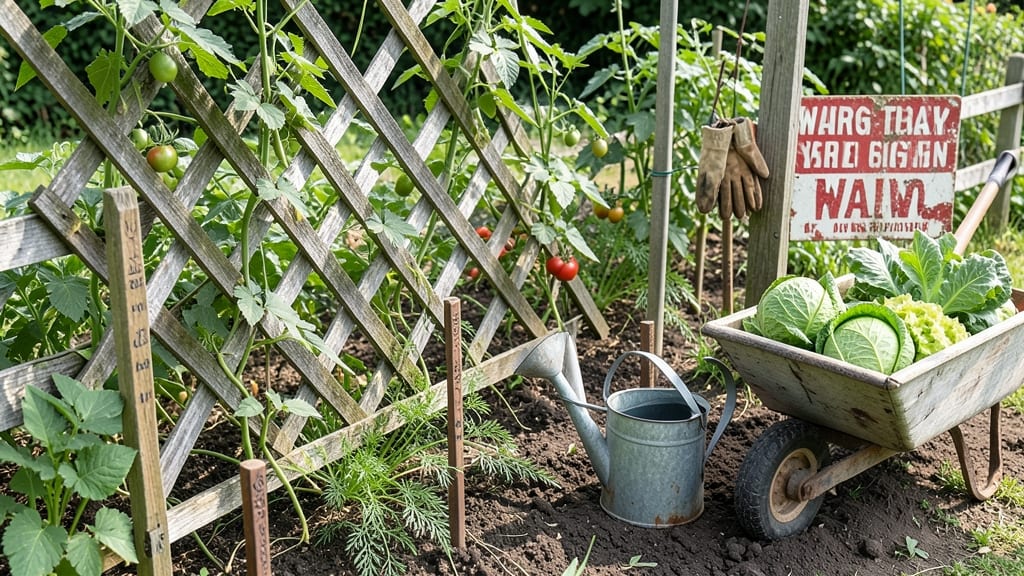
The meaning of victory gardens lies in their role as homegrown food production hubs created during national shortages, originally launched in WWII to strengthen morale and reduce dependence on commercial food supplies. Today, they represent modern sustainability and community resilience through urban and suburban gardening efforts.
These gardens weren't just about growing food—they became symbols of civic duty during WWII, when over 20 million Americans cultivated them to support the war effort. 🌱 The concept has evolved into today's urban farming movements, where people grow vegetables in small spaces to fight food deserts and climate change.
What's fascinating is how this wartime tradition now blends with today's focus on local food systems and environmental conservation.
Modern victory gardens often include fast-growing crops like lettuce and herbs for quick harvests, while community plots teach gardening skills to new generations. The core idea remains the same: growing your own food strengthens both communities and the planet.
💡 In This Article
- WWII Victory Gardens: How Homegrown Food Fueled the War Effort
- Modern Victory Gardens: Urban Farming and Community Growing Trends
WWII victory gardens: how homegrown food fueled the war effort
The victory gardens movement began in 1942 when the U.S. government launched "Food for Freedom" campaigns, encouraging Americans to grow their own vegetables to free up commercial supplies for troops overseas. 🌱 By 1943, these gardens produced 40% of the nation's fresh vegetables—equivalent to 8 million tons of produce—while reducing reliance on imports that could be targeted by enemy submarines.
The effort was so successful that President Roosevelt declared March 15, 1943, as "National Garden Week" to boost participation.
Key crops like tomatoes, potatoes, and leafy greens were prioritized because they were easy to grow in small spaces and provided essential nutrients during rationing.
The government even distributed seed packets through community programs, often paired with educational materials on soil preparation and pest control. 🥔 What made this movement unique was its psychological impact—gardening became a patriotic act that fostered community spirit and self-sufficiency, even in urban areas where space was limited.
Food rationing played a critical role in driving adoption. Families received coupons limiting purchases of items like meat, sugar, and fats, making homegrown produce a necessity rather than a luxury.
The U.S. Department of Agriculture reported that victory gardens helped maintain morale by providing fresh produce during shortages, with some families growing enough to preserve food through canning and freezing techniques. This practical approach to sustainability laid the foundation for modern food security movements.
What's often overlooked is how victory gardens were organized at the grassroots level. Local chapters of groups like the National War Garden Commission coordinated efforts, offering workshops on composting, crop rotation, and even teaching children about gardening through school programs.
The movement wasn't just about growing food—it was about rebuilding community connections in a time of national crisis. 🌿 This collaborative spirit became a blueprint for today's urban farming initiatives.
One fascinating detail is how victory gardens adapted to different climates. In the Pacific Northwest, families grew potatoes and carrots, while Southern gardens focused on collard greens and sweet potatoes—crops that thrived in their local conditions.
The government provided region-specific planting guides, ensuring success regardless of location. This adaptability is a key lesson for modern gardeners facing climate variability.
The legacy of WWII victory gardens extends beyond wartime. The movement proved that small-scale food production could have a massive impact, inspiring later initiatives like community-supported agriculture (CSA) and urban farming programs.
Today, we see echoes of this history in rooftop gardens and vertical farms, where the same principles of self-sufficiency and community collaboration are applied to modern challenges like food deserts and climate change. 🌍