
Tools
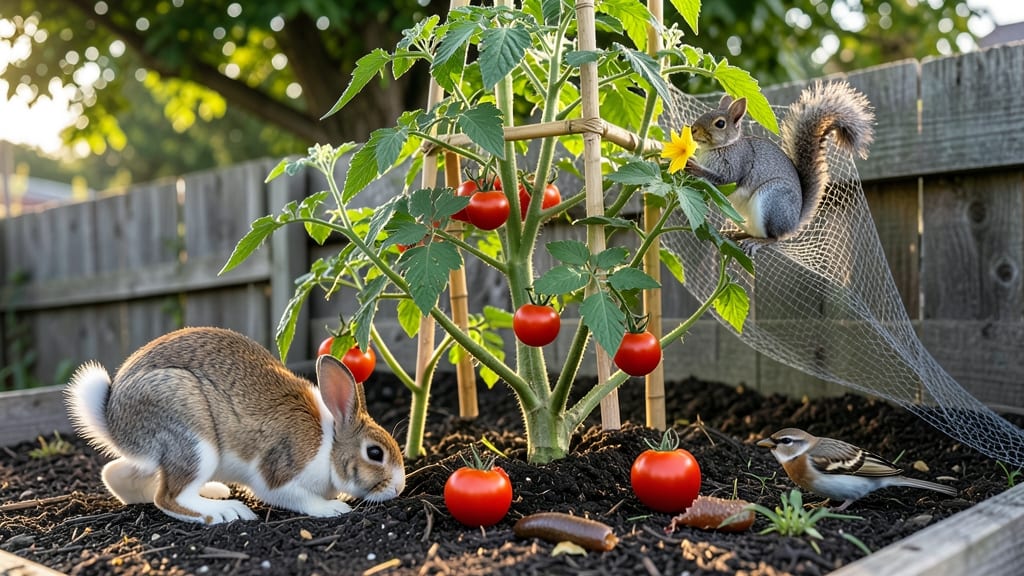
Animals that eat garden tomatoes include squirrels, raccoons, deer, rabbits, birds like starlings and sparrows, and insects such as tomato hornworms and aphids, all attracted by the fruit's sweet, juicy flesh.
Tomatoes are basically nature's candy for many creatures—their high sugar and water content make them irresistible. 🌱 The ripe fruit's vibrant color and sweet aroma act like a neon "eat me" sign to hungry visitors, while young plants become a buffet for insects like aphids that love tender leaves.
I've seen deer completely strip a vine overnight during late summer when tomatoes are at peak ripeness, and birds will swoop in like vultures when fruit starts to soften.
What's fascinating is how these animals target different tomato stages: mammals go for the ripe fruit, while insects often attack flowers and seedlings first. This means your protection strategy needs to adapt—netting works for birds, while spicy pepper sprays deter mammals.
The key is acting before the tomatoes even ripen, because once they're ready, the battle's already lost.
💡 In This Article
- Why Animals Are Drawn to Garden Tomatoes
- Effective Strategies to Deter Tomato-Eating Animals
Why animals are drawn to garden tomatoes
Tomatoes are like nature's all-you-can-eat buffet for wildlife because of their 6-10% sugar content and 90% water composition.
This sweet, juicy combination triggers the same reward pathways in animals' brains as it does in humans—think of it as the tomato equivalent of a candy bar. 🌱 Deer, for example, have an incredible sense of smell and can detect ripe tomatoes from 50 feet away, while birds are drawn to the bright red color, which mimics the appearance of berries in their natural diet.
The scent plays a crucial role too—ripe tomatoes release volatile organic compounds like ethyl acetate and hexanal, which create that irresistible aroma. These compounds don't just attract animals; they signal nutritional value.
For mammals like squirrels and raccoons, the high water content provides essential hydration, especially during dry summer months when natural water sources may be scarce. Meanwhile, insects like tomato hornworms are drawn to the plant's solanine compounds in unripe fruit, which act as a natural stimulant for their digestive systems.
Seasonal patterns also explain why tomato theft peaks during late summer to early fall. As tomatoes ripen, their sugar content increases dramatically—some varieties can reach 12% sugar at full ripeness, compared to 3-5% in unripe fruit.
This timing coincides with when many animals are preparing for winter, stockpiling calories. Young tomato plants, with their tender leaves and stems, become prime targets for insects like aphids, which thrive on the plant's high nitrogen content during the early growth stages.
What most gardeners don't realize is how plant vulnerability changes throughout the growing cycle. Flowering tomatoes are particularly susceptible to insects like hornworms, which can defoliate a plant in 24 hours if left unchecked.
Once fruit sets, birds become the main threat, while mammals wait for the perfect moment when tomatoes are soft and easy to carry away. This multi-stage attack means your protection strategy must be proactive—starting with seedling protection and continuing through harvest.
Consider this: a single raccoon can consume 10-15 tomatoes per night, while a flock of starlings can strip a vine bare in 30 minutes.
The key difference in their behavior lies in their digestive systems—mammals need the fruit's moisture and nutrients, while birds are often after the seeds for propagation. Understanding these distinctions helps tailor your defense approach, whether it's using bird netting for aerial predators or physical barriers for ground-dwelling mammals.
The most vulnerable period? When tomatoes are partially ripe—this stage offers the perfect balance of sweetness and softness that animals can't resist.
It's why I recommend harvesting tomatoes as they ripen rather than waiting for full color development, especially in high-traffic garden areas. 🌿 The earlier you intervene, the better your chances of preserving your hard-earned harvest.