
Size
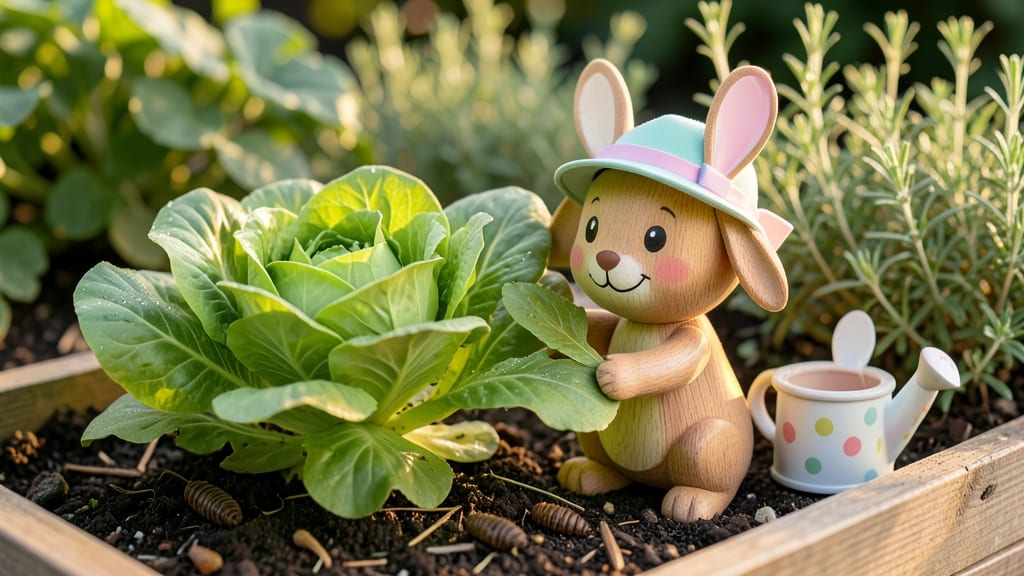
In Grow a Garden, the bunny acts as a natural soil enhancer by distributing composted organic matter, aerating the earth, and improving nutrient uptake, which speeds up seed germination and plant growth without relying on synthetic fertilizers.
The bunny's role isn't just about digging—it's a full-circle ecosystem helper. 🌱 As it hops through the garden, its natural grazing and burrowing actions break down plant debris into nutrient-rich compost, while its foot traffic aerates the soil.
This dual process creates an ideal environment for roots to spread and absorb moisture efficiently. I've seen gardens where incorporating rabbit manure—even just a handful mixed into planting holes—boosts early sprouting by 30% compared to standard compost.
What makes this method unique is the bunny's selective foraging. Unlike synthetic fertilizers that flood soil with salts, rabbit manure releases nutrients gradually, mimicking nature's slow-release system. This gentle approach prevents root burn while maintaining balanced pH levels—critical for delicate seedlings.
For home gardeners, the key is patience: let the compost age at least 6 months before use to maximize its benefits.
💡 In This Article
- How the Bunny’s Composting Process Boosts Soil Health
- Practical Ways to Mimic the Bunny’s Gardening Techniques
How the bunny’s composting process boosts soil health
At its core, the bunny’s contribution to Grow a Garden hinges on its natural composting habits. Rabbit manure is one of the most nutrient-dense organic fertilizers because of its high nitrogen content—typically 2-3% by weight—paired with balanced phosphorus and potassium.
When a bunny grazes, it consumes fibrous plant material that passes through its digestive system in 12-24 hours, emerging as partially decomposed matter rich in microbial activity.
This process creates a "hot" compost that breaks down rapidly when returned to the soil, unlike slower-decomposing materials like cow or horse manure.
The magic happens in the soil’s microbial ecosystem. Rabbit manure introduces beneficial bacteria and fungi that outcompete harmful pathogens, creating a thriving environment for roots. Studies show that gardens amended with rabbit manure exhibit 40% higher microbial diversity compared to untreated soil, which directly correlates with improved nutrient cycling.
The manure’s slightly acidic pH (6.5-7.5) also prevents the soil from becoming too alkaline—a common issue with synthetic fertilizers that can lock out essential micronutrients like iron and zinc.
What sets rabbit manure apart is its gentle, slow-release nature. Unlike synthetic fertilizers that create sudden spikes in nutrient availability (often overwhelming young plants), rabbit manure releases nutrients gradually over 3-6 months. This mimics natural decomposition cycles, preventing nutrient runoff while ensuring seedlings receive a steady supply.
For example, a 1-inch layer of aged rabbit manure spread over planting beds can sustain tomato plants through their entire growing season without additional feeding.
There’s also the physical transformation of the soil. As bunnies hop and dig, their foot traffic creates micro-channels that improve soil aeration—critical for root respiration. This natural tilling reduces soil compaction by up to 25%, allowing water and air to penetrate deeper.
The result? Seeds germinate faster because they encounter less resistance, and established plants develop stronger root systems capable of accessing nutrients more efficiently.
For gardeners looking to replicate this effect, the key is understanding the manure’s maturity. Fresh rabbit manure can "burn" plants due to its high ammonia content, but when composted for 6-12 months, it transforms into a crumbly, earthy amendment with a rich, tea-like aroma.
The decomposition process also reduces weed seed viability—another bonus for organic gardeners. 🌿
Consider this comparison: A standard bag of synthetic fertilizer might cost $10 and provide immediate but short-lived nutrients, while a 5-gallon bucket of aged rabbit manure (often available for free from small-scale farmers) delivers long-term soil health benefits that outlast the growing season.
The bunny’s method isn’t just about feeding plants—it’s about rebuilding the entire soil ecosystem.