
Tools
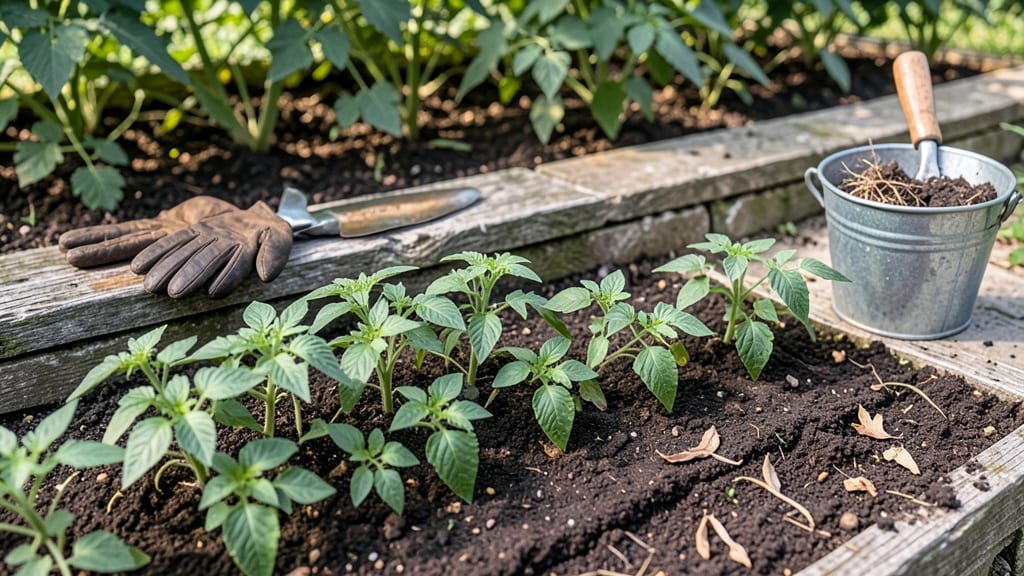
Thinning in gardening means removing excess seedlings or overcrowded plants to give remaining ones more space, sunlight, and nutrients, which improves growth and yields stronger, healthier crops. This process is essential for vegetables like lettuce, carrots, and herbs.
Thinning isn't just about making space—it's about giving your plants the best chance to thrive. 🌱 By reducing competition for resources, you're essentially helping each plant grow taller, produce more leaves, and develop stronger roots.
I've seen firsthand how carrots left too close together grow stunted and misshapen, while properly thinned ones develop straight, crisp roots. The key is timing: wait until seedlings have at least two true leaves before thinning, and use clean scissors to avoid damaging nearby plants.
Beyond just spacing, thinning also reduces disease risk by improving airflow around plants. Many gardeners make the mistake of thinning too late, when roots have already intertwined—this makes the process much harder and can stress the remaining plants.
For fast growers like radishes, you might thin within 2-3 weeks, while slower crops like tomatoes can wait until they're 4-6 inches tall.
💡 In This Article
- How Thinning Improves Plant Growth and Development
- Step-by-Step Guide to Thinning Seedlings Safely
How thinning improves plant growth and development
Thinning works by eliminating the "plant traffic jam" that occurs when seedlings grow too close together. When plants compete for the same resources, they develop weak stems, pale leaves, and stunted roots—all signs of nutrient deficiency.
For example, lettuce seedlings grown at 1-inch spacing will produce small, bitter leaves, while thinned to 6-8 inches apart develop crisp, flavorful heads. The extra space allows roots to spread deeper into the soil, accessing moisture and minerals that were previously shared among too many plants.
The science behind this involves three key factors: light interception, nutrient uptake, and disease prevention. Plants need 6-8 hours of direct sunlight daily to photosynthesize properly. Crowded seedlings block light for lower leaves, causing them to yellow and die.
Additionally, roots compete for nitrogen and phosphorus in the soil—when thinned, remaining plants can absorb these nutrients more efficiently. Airflow also improves, reducing humidity around leaves and preventing fungal diseases like powdery mildew, which thrives in damp, crowded conditions.
Root development is where thinning makes the biggest difference. In crowded conditions, roots grow shallow and tangled, searching for any available nutrients. When you thin, roots can branch out freely, creating a stronger anchor and better water absorption system.
Carrots, for instance, need 2-3 inches of space between plants to grow straight and avoid forking. I've noticed that properly thinned carrots develop roots that are 2-3 times longer than those in crowded beds, with a sweeter flavor due to better sugar development.
Different crops have specific spacing needs based on their mature size. Leafy greens like spinach thrive at 3-4 inches apart, while heavy feeders like broccoli need 18-24 inches to support their large heads.
Herbs like basil benefit from 6-8 inches of space to prevent overcrowding that leads to leggy growth. The key is to research each plant's mature size and thin accordingly—this prevents future transplanting and gives plants room to reach their full potential.
Timing matters too. Thinning too early can damage delicate seedlings, while waiting too long makes the process difficult and stressful for remaining plants. For most vegetables, wait until seedlings have 2-3 true leaves (not the initial seed leaves) before thinning.
At this stage, they're strong enough to handle the process but haven't yet started competing aggressively. Fast growers like radishes can be thinned within 2-3 weeks of germination, while slower crops like tomatoes should wait until they're 4-6 inches tall.
What most gardeners don't realize is that thinning also affects flavor and texture. Crowded plants produce smaller, less flavorful fruits and vegetables because they divert energy into survival rather than growth. For example, thinned tomatoes develop 20-30% larger and sweeter fruits compared to crowded plants.
The same principle applies to herbs—properly spaced basil leaves are more aromatic and less likely to develop bitter flavors from stress. 🌿