
Tools
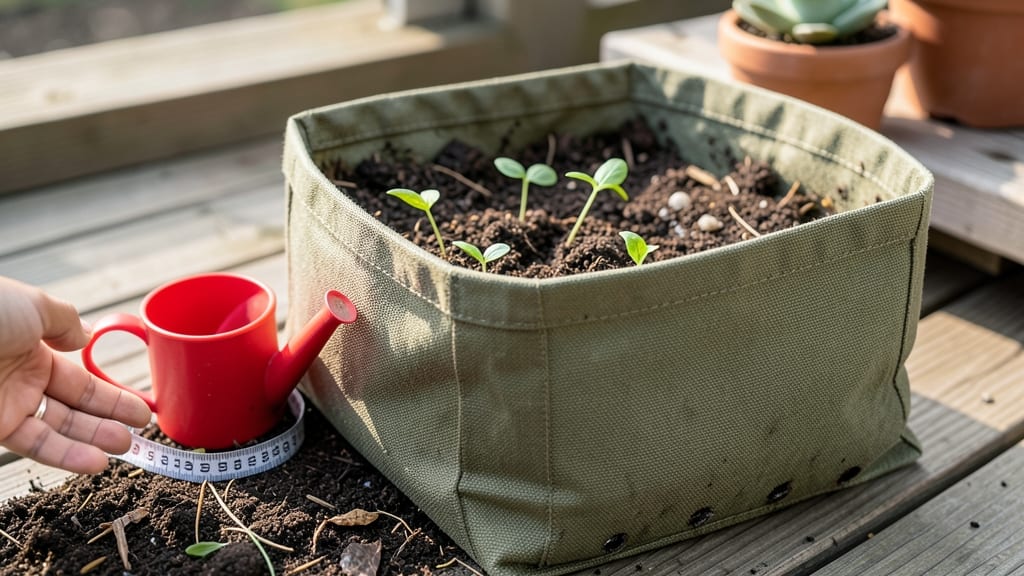
A garden tub is a large, sturdy container designed for planting flowers, vegetables, or herbs in outdoor spaces where in-ground gardening isn’t possible or practical. These raised planters come in various materials like wood, metal, or plastic and offer better drainage, soil control, and accessibility for gardening tasks.
A garden tub solves the challenge of limited garden space by bringing planting to your patio, balcony, or small yard. 🌱 These containers—often deeper than standard planters—create ideal growing conditions for root vegetables, dwarf fruit trees, or even small shrubs.
Unlike shallow pots, their depth allows roots to spread while preventing soil erosion from rain or watering. I’ve seen gardeners use them to grow everything from cherry tomatoes to lavender, proving their versatility for both edible and ornamental plants.
What sets them apart is their durability—materials like cedar resist rot, while galvanized steel handles extreme weather. The right size matters too: a 24-inch tub works for herbs, but a 36-inch model can support a small citrus tree.
For best results, pair your tub with quality potting mix and ensure it has drainage holes to prevent root rot.
💡 In This Article
- Materials and Design Features of Garden Tubs
- Top Planting Ideas for Garden Tubs by Size
Materials and design features of garden tubs
Garden tubs are engineered with specific materials to balance durability, weight, and plant health. Cedar remains a top choice because its natural oils resist rot and insects, making it ideal for long-term use. However, untreated cedar requires sealing every 1-2 years to maintain its protective properties.
On the other hand, resin-coated tubs offer lightweight portability while mimicking wood's aesthetic, though they may lack the same breathability for root systems. For extreme climates, galvanized steel tubs provide unmatched strength and weather resistance, though they can overheat in direct sunlight.
The design features go beyond material—depth and width directly impact what you can grow. Standard tubs range from 12 inches to 36 inches in width, with depths typically between 10 inches and 24 inches.
A 12-inch-wide tub works well for herbs like basil or thyme, while a 36-inch-wide tub can support a small citrus tree or even a dwarf apple tree.
The weight capacity varies too: wood tubs often hold 50-100 pounds when filled, while metal tubs can support 150-200 pounds due to their reinforced structure. Drainage holes are non-negotiable—most tubs include 1/4-inch to 1/2-inch holes at the bottom to prevent waterlogging, which can suffocate roots.
Shape matters for both aesthetics and functionality. Rectangular tubs maximize corner space, while half-round designs create a more natural look that blends with garden decor. Square tubs offer equal planting space on all sides, making them perfect for companion planting.
The edges also differ: some tubs have smooth sides for easy cleaning, while others feature textured or slatted designs to improve drainage and airflow at the soil's surface. 🌿 For example, a half-round cedar tub with slatted sides can reduce soil compaction while allowing excess water to escape efficiently.
Advanced designs incorporate features like built-in saucers to catch runoff, adjustable legs for slope compatibility, or even integrated irrigation systems. These premium options cost more but can save time and water in the long run.
For instance, a tub with a built-in drip irrigation system might cost $150-$300 more upfront but reduces manual watering by up to 70%. The trade-off? Heavier weight and potentially less portability.
If you plan to move your tubs seasonally, prioritize lightweight materials like resin or plastic over heavy stone or thick wood.
One often-overlooked feature is the tub's base. Some models include feet or casters for stability on uneven surfaces, while others have a flat bottom that requires leveling with gravel or pavers.
Uneven bases can cause soil erosion and poor drainage, so always check for adjustable or removable feet if your outdoor space isn’t perfectly flat. For example, placing a 1-inch layer of gravel under a tub can improve drainage while keeping it stable on sloped patios. 💫
Finally, consider the tub's compatibility with your climate. In hot, dry regions, lighter-colored materials reflect sunlight and reduce soil temperature, while darker materials absorb heat in cooler climates. For instance, a black plastic tub in Arizona might reach 120°F on the surface, potentially stressing heat-sensitive plants like lettuce.
In contrast, a light-colored cedar tub in the Pacific Northwest stays cooler and retains moisture better during rainy seasons.