
Pests
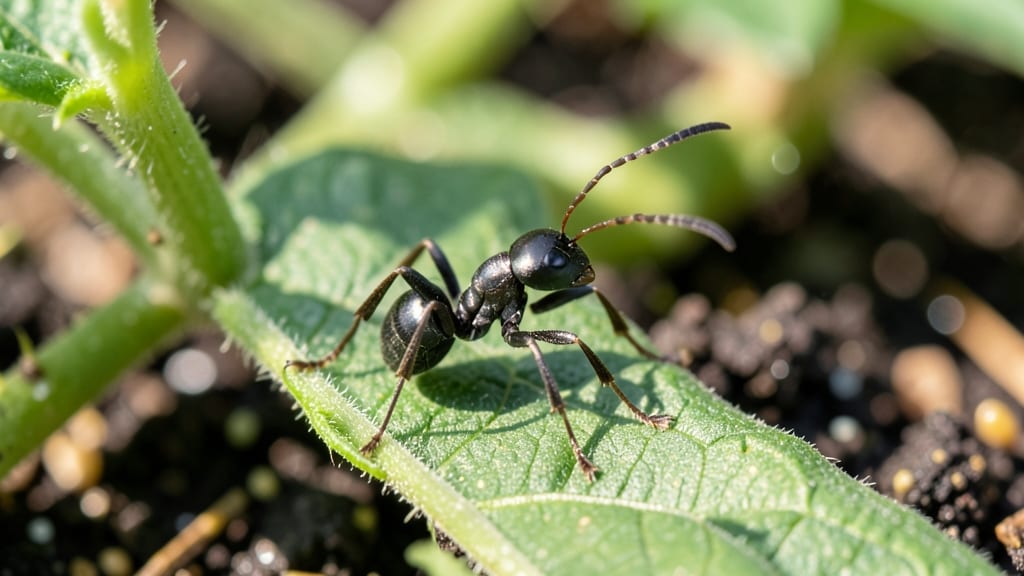
Will ants hurt my garden? Most ants are beneficial—they aerate soil and control pests like aphids—but certain species (e.g., Argentine ants or fire ants) can damage roots or spread fungal infections. Only intervene if they invade in large numbers or target vulnerable plants like seedlings or bulbs.
Ants actually play a dual role in garden ecosystems, acting as both helpers and potential threats depending on the species and situation. 🌱 Many ants, like pavement ants, are natural pest controllers—they prey on harmful insects while tilling the soil with their tunnels, which improves drainage and root growth.
However, aggressive species like fire ants can create mounds that disrupt plant roots or attract secondary pests. The key is observing their behavior: if you notice trails leading to your prized plants or sudden wilting in seedlings, that's when you should take action.
For most gardeners, ants are more of a nuisance than a true threat, especially when they're scattered rather than forming organized colonies. 🔍 The real concern arises when they start protecting other pests (like aphids) in exchange for honeydew, which can weaken your plants over time.
I've found that simply redirecting their paths with natural barriers—like crushed eggshells or citrus peels—often solves the problem without harming the ants or your plants.
💡 In This Article
- How Ants Impact Garden Health: Beneficial vs Harmful Species
- Natural Ways to Manage Ants Without Harming Your Plants
How ants impact garden health: beneficial vs harmful species
Ants contribute to garden health in surprising ways, starting with their role as natural pest controllers. Species like harvester ants and fire ants (despite their aggressive reputation) actively hunt and consume harmful insects such as caterpillars, beetles, and even other ants.
Their foraging creates tunnels that aerate soil, improving water drainage and root penetration—similar to how earthworms work, but on a smaller scale. For example, a single harvester ant colony can process 10,000 insects per day, reducing the need for chemical pesticides in organic gardens.
The damage potential varies dramatically by species. Fire ants, for instance, build mounds that can disrupt plant roots, especially in vegetable gardens where shallow-rooted crops like lettuce or radishes thrive. Their stings also harm beneficial insects like bees.
Meanwhile, Argentine ants form supercolonies that protect pests like aphids, creating a trade-off where ants receive honeydew in exchange for shielding pests from predators. This mutualism can weaken plants over time by reducing photosynthesis efficiency.
The key difference lies in their behavior: beneficial ants disperse nutrients, while destructive species create concentrated threats.
Soil health is another critical factor. Ants like carpenter ants may prune plants by removing damaged leaves or weak branches, but they also risk spreading fungal spores if they carry infected plant material into their nests.
The texture of their tunnels—often just 1-2 millimeters wide—can improve soil structure, but excessive tunneling near roots may lead to instability in young seedlings. For instance, fire ant mounds can reach 18 inches tall, creating physical barriers that block water flow to nearby plants.
Identifying harmful species early is crucial. Look for aggressive trails (indicating sugar ants) or disturbed soil mounds (fire ants). Beneficial ants, like pavement ants, tend to stay near sidewalks and rarely invade gardens.
The smell also helps: harmful species often emit a musty or citrusy odor when crushed, while beneficial ants have a milder scent. For example, fire ants release a pheromone that repels other ants, creating monopolized territories that can harm biodiversity.
Plant vulnerability matters too. Seedlings with tender roots are prime targets for ants, while mature trees often remain unaffected. The root zone within 6 inches of the plant base is especially at risk, as ants can chew through young roots or create entry points for pathogens.
For instance, fire ants have been documented to reduce tomato yields by 30% in infested plots due to root damage and stress. Understanding these interactions helps gardeners decide when to intervene.
Consider this: a single queen ant can produce 20,000 workers per year, meaning a colony's impact grows exponentially. While most ants are harmless, their presence often signals other ecological imbalances—like overabundant aphids or poor soil drainage.
The solution isn't always eradication but rather redirection, such as using barriers or natural repellents to guide their activity away from vulnerable plants. 🌱