
Tools
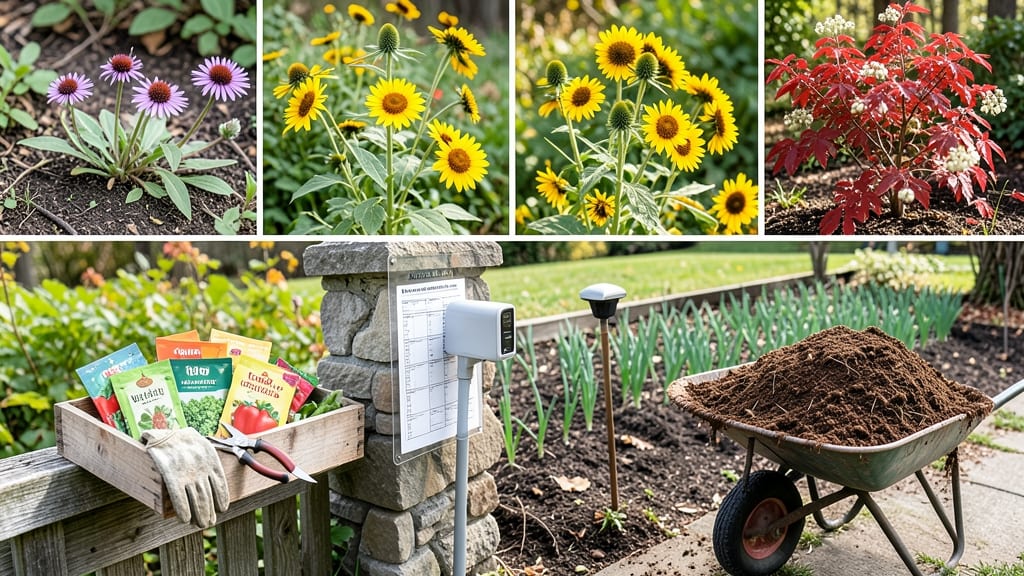
A Wisconsin gardening calendar helps you time plantings and harvests perfectly by following the state’s unique hardiness zones (4a-6b), starting with cool-season crops like spinach in early spring (March-April) and shifting to warm-season plants like tomatoes after the last frost date (late May). Fall planting kicks off in August for frost-tolerant greens like kale, with harvests lasting until October’s first hard freeze.
A Wisconsin gardening calendar isn't just about dates—it's about understanding how your specific zone affects your growing season. Zone 4a gardeners in northern Wisconsin face shorter windows than Zone 6b growers near Milwaukee, with Lake Michigan creating microclimates that can delay frost by weeks. 🌱 For example, while southern Wisconsin can safely plant tomatoes in early May, northern areas should wait until mid-June.
The calendar also accounts for Wisconsin's unpredictable weather swings, helping you adjust planting schedules when frost warnings appear unexpectedly.
What makes this calendar particularly useful is how it incorporates Wisconsin's unique growing challenges. The state's short season demands careful planning—cool-season crops must mature before summer heat arrives, while fall plantings need to establish roots before winter sets in.
Many gardeners use this calendar to create crop rotations that maximize soil health, with August being the sweet spot for planting hardy greens that can withstand early frosts.
💡 In This Article
- Wisconsin’s Hardiness Zones and Their Impact on Planting Timing
- Seasonal Planting Checklist for Wisconsin Gardens
Wisconsin’s hardiness zones and their impact on planting timing
Wisconsin’s hardiness zones—ranging from 4a in the north to 6b in the south—dictate when plants can survive outdoors by determining average minimum winter temperatures. Zone 4a (like in Superior) has -30°F winters, while Zone 6b (near Madison) sees only -5°F.
These zones influence frost dates: Northern Wisconsin’s last spring frost often arrives in mid-May, while southern areas may see frost-free conditions by mid-April. 🌬️ The difference isn’t just about timing—it affects which plants thrive where.
For example, peonies need 120-150 hours of chilling below 45°F to bloom, a threshold only met reliably in northern zones.
Microclimates add another layer of complexity. Lake Michigan’s massive size creates a moderating effect, delaying first fall frosts by 2-3 weeks near its shores compared to inland areas.
In Zone 5a Milwaukee, gardeners can sometimes extend fall harvests into early November, while inland Zone 4b areas may see frost by mid-October.
This is why gardeners in Door County can grow tender basil until late September, while those in Wausau must start it indoors by mid-May to avoid frost damage. The lake’s influence also means coastal areas have 5-10°F warmer nighttime temperatures during spring.
The science behind chilling requirements explains why some plants struggle in southern Wisconsin. Biennials like carrots and onions need vernalization (a period of cold) to flower, which happens naturally in Zone 4a but may require artificial chilling in Zone 6b.
Perennials like asparagus also benefit from Wisconsin’s cold winters—the freezing process breaks down harmful compounds and stimulates root growth. This is why asparagus crowns planted in Zone 5b often produce spears 2-3 years earlier than those in Zone 6b, where winters are too mild for proper dormancy.
Zone-specific frost windows create a domino effect for planting schedules. In Zone 4a, gardeners must start cool-season crops like broccoli indoors by March 1st to have transplants ready by late April, while Zone 6b growers can direct-sow by mid-March.
The 14-day rule applies here: For every zone you move south, you gain about 7-10 days of growing season. This explains why tomato plants in Zone 5a (Milwaukee) can mature 10-14 days earlier than identical varieties in Zone 4b (Green Bay).
Understanding these zone differences helps explain why Wisconsin’s gardening calendar includes two distinct planting phases: The early spring rush (March-April) for cold-hardy crops and the post-frost transition (late May) for warm-season plants.
The calendar accounts for 30-45 days between frost dates in northern zones versus 45-60 days in southern zones—a critical factor when planning succession plantings. For instance, while Zone 6b can squeeze in two tomato harvests (early May and August), Zone 4a gardeners typically manage just one.
One often-overlooked factor is how soil temperature lags behind air temperature. In Zone 5a, air may reach 50°F by mid-April, but soil often stays below 45°F until late May.
This delay explains why seed packets recommend waiting until soil reaches 60°F for warm-season crops like cucumbers—even if the calendar suggests "after last frost." Using a soil thermometer becomes essential in Wisconsin’s transitional zones where air and ground temperatures can differ by 10°F or more. 🌱