
Planting
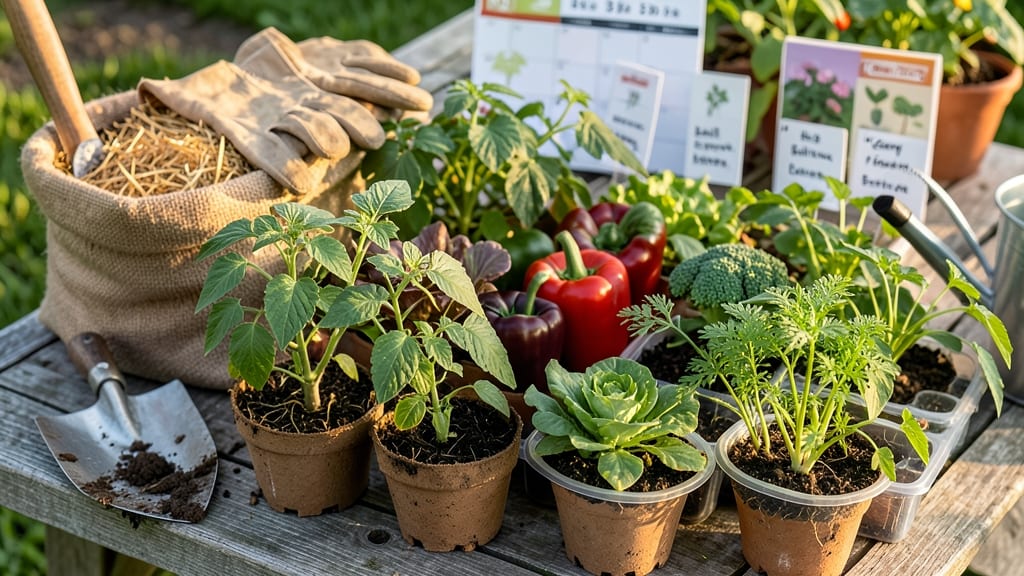
Planting a vegetable garden in New Jersey at the right time means the difference between a bountiful harvest and a sad pile of wilted seedlings 🥬.
New Jersey gardeners know timing is everything—plant too early and risk frost, too late and miss peak harvests. Mastering NJ’s Zone 6B planting deadlines ensures your tomatoes, peppers, and greens thrive when they should.
Cool-season crops like spinach and broccoli can handle the chill, while warm-season favorites need the soil to warm up first. The last frost date in NJ usually lands in mid-to-late April, but some years it lingers into May.
Below, I’ll break down the exact windows for planting both cool and warm crops, plus three pro tips to stretch your growing season and avoid common mistakes that shorten your harvest.
NJ Zone 6B planting calendar: exact deadlines for cool vs warm season vegetables
New Jersey’s Zone 6B climate gives us a 165-200 frost-free days, which means we must time our plantings precisely. The last average frost date in most of NJ falls between April 15-30, while the first frost typically hits October 15-30.
Missing these windows can mean lost harvests or stunted plants.
Cool-season vegetables like spinach and broccoli thrive in 50-65°F soil, while warm-season crops such as tomatoes and peppers need 60-85°F to germinate. Knowing these ideal soil temperatures is key to avoiding disappointment. Let’s break down the exact deadlines for each category.
📅 Key Dates for NJ Zone 6B:
- Last Frost: April 15-30
- First Frost: October 15-30
- Soil Warms to 60°F: Late April
- Soil Warms to 70°F: Early June
| Vegetable Type | Planting Window | Soil Temp (°F) | Harvest Window | Notes |
|---|---|---|---|---|
| Cool-Season | March 15-April 15 August 15-Sept 15 |
45-65°F | April-June Sept-Oct |
Spinach, broccoli, kale, peas |
| Warm-Season | May 1-June 15 | 60-85°F | July-October | Tomatoes, peppers, cucumbers, beans |
| Succession Planting | Every 2-3 weeks April-July |
Varies | Continuous harvest | Lettuce, radishes, carrots |
| Fall Planting | August 1-Sept 15 | 55-70°F | Sept-Nov | Kale, Brussels sprouts, beets |
For cool-season vegetables, start planting 4-6 weeks before the last frost date. This means mid-March to mid-April for early varieties like spinach and peas.
You can also plant a second crop in late summer (August-September) for a fall harvest of broccoli and kale, which actually sweeten in cooler weather.
Warm-season crops like tomatoes and peppers must wait until the soil reaches at least 60°F, which typically happens by late April to early May in NJ. However, I always wait until May 1-June 15 to be safe, especially if you’re growing heat-loving varieties like eggplant or okra.
One of my favorite tricks is succession planting for quick harvests. Sow radishes or lettuce every 2-3 weeks from April through July. This ensures a continuous supply without overwhelming your garden at once. Plus, it’s a great way to extend your harvest window into early fall.
Don’t forget about soil temperature—it’s just as critical as air temperature. Use a soil thermometer to confirm readiness, especially for warm-season crops. If your soil is still chilly in May, consider using black plastic mulch to warm it up faster.
This can shave 1-2 weeks off your planting timeline.
For fall planting, focus on hardy greens like kale and Brussels sprouts. These can handle light frosts and even taste better after a light freeze.
Plant them by mid-September for a harvest before the first frost. Just be sure to protect them with row covers if early frosts threaten
How to extend your NJ growing season: 3 pro tips for earlier planting and later harvests
New Jersey’s Zone 6B climate gives us just 165-200 frost-free days, but with the right strategies, you can push those limits. Whether you’re dreaming of earlier tomatoes or late-season kale, these proven techniques will keep your garden productive long after most neighbors pack it in.
I’ve tested these methods in my own Central NJ garden, and they’ve added 4-6 weeks to my harvest window. The key? Combining season extension tools with smart planting strategies. Let’s dive into the three most effective tactics—and the mistakes that’ll sabotage your efforts.
- 1 Cold Frames & Mini Greenhouses: Use them to start cool-season crops 3-4 weeks earlier (think spinach in March) or extend harvests until late November. My low-cost DIY cold frame adds 10°F protection and works year-round.
- 2 Row Covers & Hoop Tunnels: Lightweight floating row covers let in 90% sunlight while shielding plants from light frosts (28°F). I use them to grow bush beans and cucumbers until October’s first frost—adding 2-3 weeks of harvest time.
- 3 Succession Planting: Stagger plantings every 2-3 weeks for fast-maturing crops like radishes (30 days) or bush beans (50 days). This ensures a continuous harvest instead of one big yield. My salad greens now grow from April to October!
Don’t make these common mistakes that cut your season short: Overcrowding plants (reduces airflow and invites disease), ignoring soil temperature (seeds need 60°F+ to germinate), or harvesting too late (lettuce bolts in 80°F+ heat). I learned these lessons the hard way—now my garden stays productive until first snow.
Pro tip: Pair these methods with mulching to regulate soil temp. A 4-inch layer of straw keeps roots cool in summer and insulated in fall. For late-season tomatoes, I even wrap plants in burlap sacks to protect them from early October frosts—they keep producing until November!
Start with one technique this year—maybe row covers for fall greens or succession planting for beans. Your NJ garden will thank you with longer harvests and fresher produce straight from your plot. 🌱