
Light Requirements
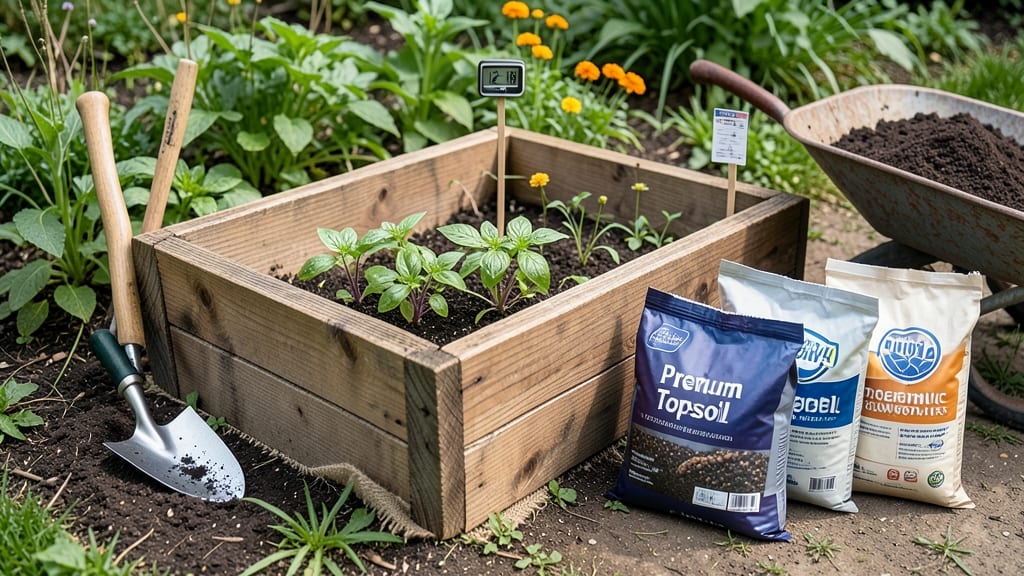
For an 8x4x2 raised garden bed, you'll need about 12.8 cubic feet (364 liters) of soil to fill it completely, but most gardeners use 10–12 cubic feet (283–340 liters) to allow space for mulch or root expansion. Adjust based on what you're growing—deep-rooted veggies need more soil than shallow herbs.
Understanding soil volume is key because it directly impacts your plants' growth potential.
A full 2-foot depth works for many crops, but if you're planting shallow-rooted herbs or flowers, you can get away with less—around 8–10 cubic feet (226–283 liters)—while still maintaining good drainage. 🌱 The extra space also lets you add compost or organic matter later without overcrowding roots.
For heavy feeders like tomatoes or peppers, I always aim for the full 12 cubic feet to ensure strong root development.
Pro tip: Pre-mixed raised bed soil blends often include amendments like perlite or coconut coir, which can reduce the actual soil volume needed. Always check the bag's recommendations—some brands calculate volume differently based on compaction.
If you're mixing your own, aim for a ratio of 60% topsoil, 30% compost, and 10% perlite for optimal aeration and moisture retention.
💡 In This Article
- Calculating Soil Volume for Different Planting Depths in Raised Beds
- Best Soil Mixes for 8x4x2 Raised Garden Beds
Calculating soil volume for different planting depths in raised beds
The 12.8 cubic feet figure comes from multiplying the bed's dimensions: 8 feet long × 4 feet wide × 2 feet deep = 64 cubic feet of total space. However, this includes air gaps between soil particles and potential settling over time.
Most gardeners fill raised beds to 80-90% capacity—meaning they leave about 20-30% empty space for mulch, compost additions, or root expansion. This is why the practical range is 10-12 cubic feet of actual soil.
Planting depth creates the biggest variation. Deep-rooted vegetables like tomatoes or peppers need 12-18 inches (1-1.5 feet) of soil, while shallow-rooted herbs (basil, thyme) thrive in just 6-12 inches (0.5-1 foot).
For an 8x4x2 bed, 6-inch planting depth uses 6.4 cubic feet (181 liters), while 12-inch depth requires 12.8 cubic feet (364 liters).
The formula is: (length × width × depth) ÷ 12 (to convert cubic inches to cubic feet). 🌱 For example, a 10-inch planting depth would need 10.7 cubic feet (303 liters)—leaving room for 2 inches of mulch on top.
Soil type affects volume too. Loamy garden soil compacts less than sandy mixes, so you might need 10-15% more volume if using pure sand or coconut coir. Organic matter (compost, peat) adds bulk—1 cubic foot of compost expands to 1.5-2 cubic feet when mixed with soil.
This is why pre-mixed raised bed soils often recommend 20-30% more volume than the bed's dimensions suggest. For instance, a 10 cubic foot bag might fill only 8 cubic feet of bed space after settling.
Root zone science explains why depth matters. Most vegetables need 12+ inches of soil to develop strong root systems that access water and nutrients. Shallow roots (like in herbs) can't compete with weeds or drought.
The 2-foot depth of an 8x4x2 bed gives roots room to grow downward while still benefiting from surface mulch that retains moisture. For container gardening, this depth is ideal—shallower beds (6-8 inches) risk root binding and poor drainage.
Consider these adjustments for your garden:
- Vegetables: Aim for 12-18 inches of soil (10.7-12.8 cubic feet in an 8x4x2 bed)
- Herbs/Flowers: 6-10 inches (5.3-8.7 cubic feet) with extra mulch
- Mulch Layer: Add 2-3 inches on top (uses 0.5-0.75 cubic feet)
- Compost Top-Dressing: 1-2 inches annually (0.2-0.4 cubic feet)
Pro tip: Weigh your soil bags! A 40-pound bag of soil typically occupies 0.75 cubic feet. For an 8x4x2 bed, you'd need about 17-18 bags of pre-mixed soil to reach the 12-13.5 cubic feet mark. Always account for settling—soil volume can reduce by 10-20% after watering. ✨