
Featured
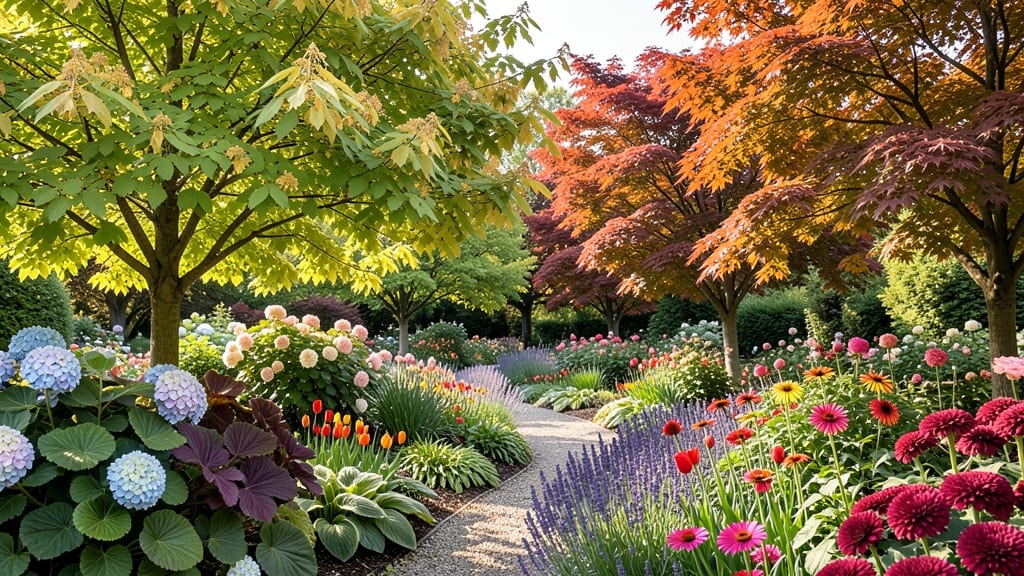
The botanical garden in Montreal, Canada, is a sprawling 75-acre sanctuary featuring over 22,000 plant species, including themed gardens like the Japanese Garden, Chinese Pavilion, and First Nations Garden, along with seasonal displays and rare botanical collections. Since 1931, it has remained a UNESCO-recognized hub for science, culture, and horticulture.
The Montreal Botanical Garden stands out as one of North America's most diverse plant collections, blending scientific research with breathtaking landscapes. 🌿 What makes it special is its fusion of cultural gardens—like the serene Japanese Garden with its koi ponds and the Chinese Pavilion showcasing medicinal herbs—alongside Indigenous plant traditions.
Beyond its famous sections, hidden gems like the Alpine Garden offer rare species from mountainous regions, while seasonal events transform the space into a living calendar of nature's best moments.
Visitors often ask about the best times to explore, and the answer depends on what you're seeking. Spring brings vibrant tulips and the awakening butterfly garden, while summer offers lush foliage and evening concerts.
Autumn paints the grounds in fiery hues, and winter transforms the garden into a magical holiday wonderland with illuminated displays. Pro tip: Weekday mornings are quieter, and the Secret Garden—accessed through a lesser-known path—provides a peaceful escape from the main attractions.
💡 In This Article
- Montreal Botanical Garden’s Unique Themed Gardens and Plant Collections
- Best Times to Visit Montreal Botanical Garden by Season
Montreal botanical garden’s unique themed gardens and plant collections
The Japanese Garden at Montreal Botanical Garden is a masterpiece of Zen philosophy in landscape form. Designed with meticulous precision, it features a 1.5-acre pond stocked with koi fish, symbolizing harmony between humans and nature.
The garden's layout follows the principles of wabi-sabi—finding beauty in imperfection—through its carefully placed rocks, winding paths, and strategically placed trees that frame views at different seasons.
The 30-foot pagoda at its center serves both as a visual anchor and a reminder of the garden's cultural roots in Japanese aesthetics.
Contrast this with the Chinese Pavilion, where 2,000 medicinal plants are cultivated to demonstrate traditional Chinese medicine's botanical foundations. The pavilion's architecture mirrors classical Chinese gardens, with curved eaves and red lacquered woodwork, while the surrounding beds showcase plants like ginseng, peony, and chrysanthemum—each selected for their therapeutic properties.
What's fascinating is how the garden uses color coding in plant labels: green for external use, red for internal remedies, and yellow for cautionary species. This system makes the medicinal properties instantly accessible to visitors.
The First Nations Garden represents a living archive of Indigenous plant knowledge, featuring over 150 species traditionally used by First Nations peoples for food, medicine, and ceremony.
The garden's layout follows a medicine wheel concept, with plants grouped by their cultural significance—such as the three sisters (corn, beans, squash) in one section and healing herbs like echinacea and yarrow in another.
Visitors can even participate in seasonal harvesting demonstrations where experts explain sustainable gathering practices, bridging ancient traditions with modern conservation efforts.
Under glass, the greenhouses cover 10,000 square feet and house 1,500 tropical species, including rare orchids from Madagascar and carnivorous plants from Southeast Asia. The temperature-controlled sections maintain 75-85°F year-round, creating microclimates that replicate these plants' native habitats.
One standout is the Victoria amazonica water lily, whose leaves can reach 3 feet in diameter—large enough to support a child's weight. The garden's scientists use these collections for conservation research, particularly studying how these species adapt to climate change.
What ties all these collections together is the garden's scientific approach to cultural preservation. Each themed garden isn't just decorative—it's an educational tool. For example, the Japanese Garden's water features aren't purely ornamental; they're designed to filter rainwater naturally through a three-stage purification system using plants and gravel.
Similarly, the First Nations Garden includes pollinator pathways that demonstrate how Indigenous plant selection supports local ecosystems. This dual focus on beauty and science is what makes the Montreal Botanical Garden's collections so uniquely valuable.
Don't miss the Alpine Garden, a high-altitude ecosystem recreated at sea level. Here, 500 species from the Rocky Mountains thrive in cool, moist conditions maintained by specialized irrigation.
The garden's rock formations mimic natural cliffs, with plants like lobelia and saxifrage clinging to crevices just as they would at 8,000 feet elevation. It's a reminder of how the garden bridges continents—from Montreal's urban landscape to the world's most remote habitats.