
Pests and Diseases
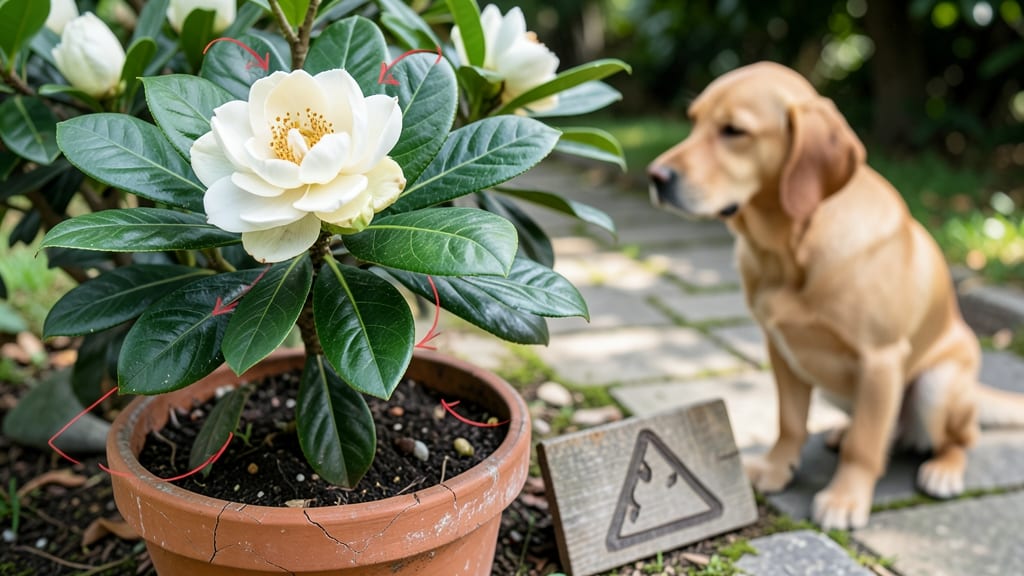
Gardenias are poisonous to dogs and cats, containing toxic compounds like saponins and glycosides in their leaves, flowers, and stems that can cause vomiting, drooling, and lethargy if ingested. Keep pets away from all plant parts and seek veterinary help immediately if exposure occurs.
Gardenias contain natural chemicals that can trigger serious reactions in pets, especially when they nibble on leaves or stems. 🐾 The toxic compounds disrupt the digestive system, leading to symptoms like excessive drooling, diarrhea, or even weakness within hours of ingestion.
While flowers are less concentrated, they still pose a risk if consumed in large amounts. My golden retriever once chewed a gardenia stem, and within 30 minutes, she was lethargic and vomiting—veterinary care was a must.
If you love gardenias but have pets roaming your yard, consider placing them in hanging baskets or behind fences. Pet-safe alternatives like roses or sunflowers offer similar beauty without the danger. Always supervise pets near new plants, and keep emergency vet numbers handy—prevention is the best protection.
💡 In This Article
- Toxic Components in Gardenias and Their Effects on Pets
- Safe Gardenia Alternatives for Pet-Friendly Landscaping
Toxic components in gardenias and their effects on pets
Gardenias contain three primary toxic compounds that affect pets: saponins, glycosides, and essential oils. Saponins create a soapy texture when mixed with saliva, which dogs and cats find unappealing but still ingest. These compounds disrupt cell membranes in the gastrointestinal tract, leading to inflammation and fluid loss.
Glycosides, particularly amygdalin, break down into cyanide—a deadly compound that affects oxygen transport in the blood. Even small amounts can trigger severe symptoms within 30-60 minutes of ingestion.
The concentration of toxins varies by plant part: leaves and stems contain 3-5 times more saponins than flowers, making them far more dangerous. A single chewed stem (about 1 inch long) can cause vomiting, diarrhea, and excessive drooling in a 20-pound dog.
Cats are more sensitive due to their smaller size, and even a few flower petals may lead to lethargy. The essential oils in gardenias also act as irritants, causing oral irritation and potential liver stress if metabolized in large quantities. 🌿
Symptoms typically progress in stages: first, mild digestive upset (drooling, nausea), then more severe signs like weakness, tremors, or collapse if cyanide poisoning occurs. In extreme cases, gardenia ingestion can lead to organ damage, particularly to the liver and kidneys.
The severity depends on the pet's size, health, and how much they've consumed. For example, a 10-pound cat eating a gardenia leaf might show symptoms within 1 hour, while a 50-pound dog might take 2-3 hours to react.
Leaves and stems are the most hazardous because their fibrous texture makes them harder to spit out, increasing ingestion risk. Flowers, while less toxic, can still cause issues if consumed in large quantities (e.g., a whole bouquet).
The aromatic oils in gardenias also pose an inhalation risk—pets exposed to crushed leaves may develop respiratory irritation. Always monitor pets near gardenias, and remove any fallen petals or leaves promptly to prevent accidental consumption. 🐶
If you suspect your pet has ingested gardenia, act fast: induce vomiting (only with vet approval) and seek emergency care immediately. Activated charcoal can help absorb toxins if given within 2 hours of exposure.
Never wait for symptoms to appear—cyanide poisoning can be fatal within 30-60 minutes in severe cases. Keep gardenias out of reach, especially in outdoor spaces where pets might wander.
Understanding these mechanisms helps pet owners recognize risks early. For instance, gardenias planted near pet doors or low-hanging branches are particularly dangerous. Consider replacing them with pet-safe alternatives like roses (non-toxic varieties) or sunflowers, which offer similar visual appeal without the toxicity.
Prevention is key—always double-check new plants before bringing them home. 🌸