
Tools
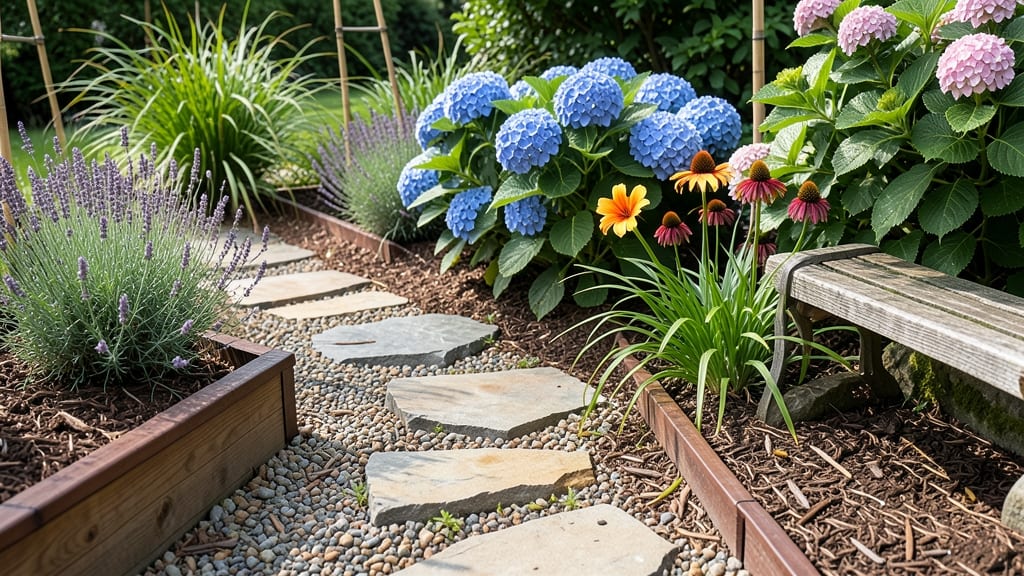
The AHS Garden Network offers free garden planning tools and expert resources, including seasonal planting guides, plant databases, and interactive maps that help gardeners create layouts, monitor plant care, and access professional advice for year-round success.
The AHS Garden Network stands out by combining practical tools with expert-backed guidance, making it easier than ever to design a thriving garden. 🌱 Their interactive plant database matches species to your location's hardiness zone and sunlight conditions, while seasonal planting calculators time your work perfectly to avoid common mistakes.
What I love most is how they simplify complex decisions—like companion planting—through visual maps that show which plants grow best together.
Beyond planning, their free resources cover everything from soil testing to pest control, with mobile-friendly features that adapt to different garden types. Whether you're a beginner or a seasoned gardener, these tools save time and reduce guesswork, helping you focus on what matters most: growing a beautiful, productive space.
💡 In This Article
- How AHS Garden Network Tools Simplify Plant Selection and Layout
- Top Free AHS Garden Network Resources for Every Gardener’s Needs
How AHS garden network tools simplify plant selection and layout
The AHS Garden Network’s interactive plant database works like a digital gardening assistant, cross-referencing over 30,000 plant species with your specific location’s USDA hardiness zone and average sunlight exposure. When you input your zip code, the system instantly filters plants that thrive in your climate, eliminating trial-and-error guesswork.
For example, if you’re in Zone 7b with partial shade, it’ll recommend hostas, ferns, and astilbe—plants that would struggle in full sun or colder zones.
What makes this tool stand out is its integration of companion planting rules. The system highlights which plants grow harmoniously together (like basil with tomatoes) and which should be avoided (like beans near onions).
This isn’t just theoretical—it’s based on real-world data from AHS’s network of master gardeners, who’ve tested these pairings across regions. The visual layout feature even lets you drag and drop plants into a digital garden plan, automatically adjusting spacing recommendations based on mature size.
Seasonal planting calculators take the guesswork out of timing. These tools factor in your local frost dates, soil temperatures, and plant-specific growth cycles to suggest precise planting windows.
For instance, if you’re growing broccoli in Zone 5, it’ll tell you to plant seeds indoors 8-10 weeks before your last frost date and transplant seedlings outdoors 2-3 weeks before frost.
This level of detail helps avoid common mistakes like planting too early (risking frost damage) or too late (missing the optimal growth window).
For container gardeners, the network’s design templates account for root space and drainage needs. The system calculates how many gallon-sized containers you’ll need for each plant and suggests lightweight potting mixes that prevent compaction.
This is especially useful for herbs like rosemary, which require well-draining soil and can rot in heavy mixes. The templates even include watering schedules based on container size and plant type.
Under the hood, these tools use a combination of climate data from NOAA, soil science from the USDA, and botanical research from AHS’s archives. The algorithms continuously update based on user feedback and regional growing reports, ensuring recommendations stay current.
For instance, if you notice in your garden that a certain tomato variety struggles with blight in your area, you can log that data to help refine future suggestions for others in your zone.
What most gardeners don’t realize is how these tools adapt to microclimates within your property. The system lets you create multiple garden zones—like a sunny patio area, a shady woodland edge, and a windy hillside—each with its own set of recommendations.
This granular approach mimics how professional landscape designers plan spaces, but without the cost or complexity. 🌿