
Tools
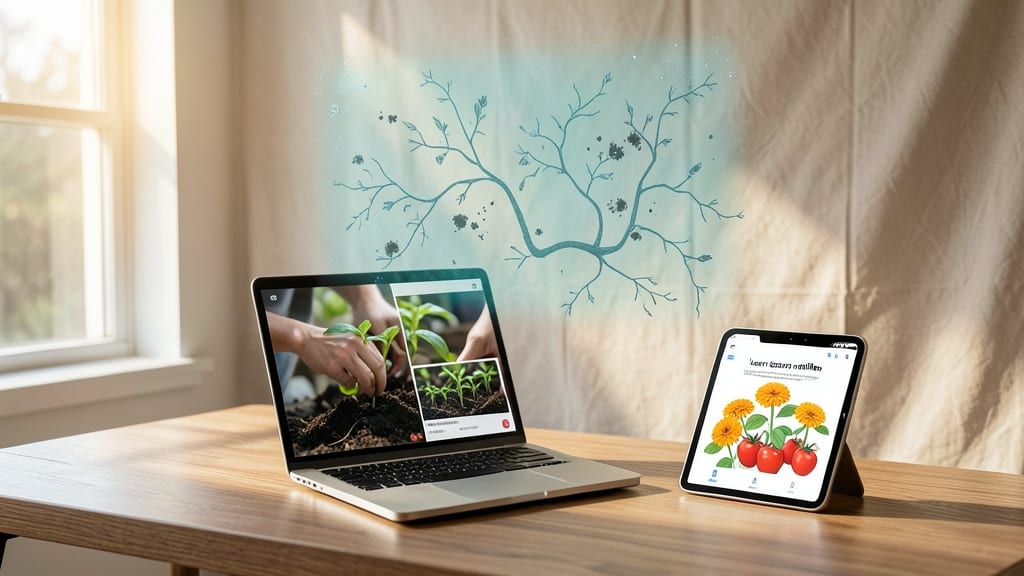
To learn gardening online, start with structured platforms like Coursera for university-backed courses, YouTube for visual tutorials, or MasterClass for expert-led instruction. Free options include university extension programs and gardening blogs with step-by-step guides.
Online gardening education comes in all shapes—from polished courses to grassroots communities. 🌱 Structured platforms like Coursera offer certificates and expert-led modules, perfect if you want credentials or in-depth theory. Meanwhile, YouTube channels like Epic Gardening provide free, visual walkthroughs for hands-on learners.
For budget-friendly options, university extension programs (often free or low-cost) and blogs like Gardeners.com deliver practical tips without the premium price tag. The best choice depends on your learning style: structured vs. self-paced, theoretical vs. visual.
Pro tip: Pair free resources with local gardening groups for real-time feedback. Many platforms also offer community forums where you can ask questions and share progress—making the learning process interactive and rewarding.
💡 In This Article
- Top Online Platforms for Structured Gardening Education
- Free Gardening Resources for Hands-On Learners
Top online platforms for structured gardening education
Structured platforms like Coursera and Udemy offer university-backed courses with clear progression paths. For example, Coursera's "Introduction to Gardening" from the University of California, Davis, includes video lectures, quizzes, and peer-reviewed assignments—ideal for learners who thrive on structured content.
These courses often integrate scientific principles, like soil pH testing (ideal range: 6.0-7.0) and plant physiology, which beginners might miss in casual tutorials. 🌱
MasterClass stands out for its expert-led instruction, featuring renowned horticulturists like Mirabel Osler, who shares decades of experience in organic gardening. Their courses typically include downloadable resources, such as planting schedules and troubleshooting guides, which help translate theory into action.
Meanwhile, platforms like Udemy offer bite-sized modules (often under $20 on sale) focusing on niche topics, like hydroponics or permaculture, making them cost-effective for specialized learning.
The key advantage of these platforms is their interactive features. Many include discussion forums where you can ask questions and connect with fellow learners—reducing the isolation of self-directed study.
For instance, a course on container gardening might feature a forum thread where students share photos of their progress, creating a supportive community. This social element is especially valuable for beginners who need encouragement and feedback.
However, not all structured platforms are equal. Coursera and MasterClass lean toward theory and credentials, while Udemy’s marketplace includes a mix of high-quality and less rigorous courses. Always check instructor credentials and recent student reviews before enrolling.
For example, a course on vegetable gardening taught by a hobbyist may lack the depth of one led by a certified horticulturist.
Another consideration is pacing. Platforms like Coursera offer self-paced options, but their structured format works best if you commit to deadlines. If you prefer flexibility, look for courses labeled "self-paced" or "lifetime access"—these allow you to learn at your own speed, revisiting lessons as needed.
For instance, a 6-week course might feel overwhelming if you’re balancing work and gardening, while a self-paced option lets you absorb content gradually.
Finally, some platforms integrate hands-on elements, like virtual workshops or live Q&A sessions with experts. For example, Gardeners.com occasionally hosts webinars with guest speakers, blending structured learning with real-time interaction.
These features can bridge the gap between online education and practical experience, making them worth prioritizing if you value direct engagement.