
Tools
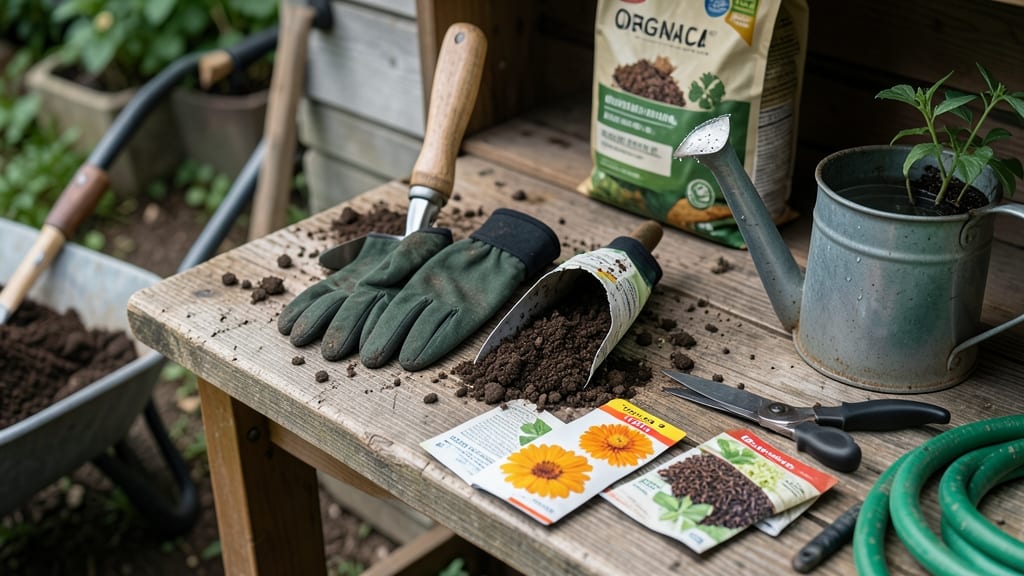
Selecting trusted gardening supply companies means checking their track record for quality products, customer satisfaction ratings, and dependable service for everything from seeds to gardening tools. Look for suppliers that offer hassle-free returns and knowledgeable customer service to protect your investment.
Finding reliable gardening supply companies can make or break your gardening success. 🌱 I always start by checking independent review sites like Gardeners.com or Better Homes & Gardens to see which suppliers consistently rank high for product durability and customer support.
For example, companies specializing in organic seeds often provide detailed growing guides, while tool suppliers might offer lifetime warranties—these details matter more than you'd think. Another key factor is shipping speed, especially if you're ordering perishable plants or seasonal supplies.
Don't forget to compare return policies—some companies offer free exchanges within 30 days, while others charge restocking fees. I've learned the hard way that a "too good to be true" price on rare plants might come with hidden shipping costs or poor quality control.
When in doubt, I reach out to their customer service before ordering to ask about product availability and handling times. This extra step often saves headaches down the road.
💡 In This Article
- Key Factors to Assess in Gardening Supply Companies
- Best Gardening Supply Companies by Category (Seeds, Tools, Plants)
Key factors to assess in gardening supply companies
At the core of selecting reliable gardening suppliers lies their product authenticity. For example, organic seed companies must verify their seeds meet USDA organic standards—look for third-party certifications like OMRI or Non-GMO Project Verified.
I once ordered hemp seeds labeled "organic" only to discover they were grown with synthetic fertilizers after checking the certification number. Always cross-reference product descriptions with independent lab reports when possible.
The shipping speed and handling process can make or break your gardening plans. Perishable plants like tomato seedlings need to arrive within 3-5 days to prevent wilting, while seeds can tolerate longer transit.
Companies like Baker Creek Heirloom Seeds guarantee 2-day shipping on most orders, while others may take 7-10 days—this difference matters when planning your planting schedule. Pay attention to their packaging too; some suppliers use moisture-resistant materials that keep seeds viable for months.
Sustainability practices reveal how companies prioritize environmental impact. For instance, Burpee offers recycled packaging and carbon-neutral shipping options, while smaller suppliers might use biodegradable pots for seedlings. These choices affect not just your garden's health but also your carbon footprint.
I've noticed that companies with strong sustainability credentials often provide detailed care guides that align with eco-friendly gardening practices.
Customer service quality often separates good suppliers from great ones. The best companies offer 24/7 support via phone, email, and live chat, with response times under 2 hours for urgent issues.
I once had a supplier replace a defective trowel within 48 hours after I sent photos of the damage—this level of service builds long-term trust. Always check their social media presence too; active engagement with customers indicates transparency and accountability.
Return policies reveal how confident suppliers are in their products. A 30-day money-back guarantee on seeds shows they stand behind quality, while tool companies often offer lifetime warranties on pruners. I've seen suppliers charge 20-30% restocking fees for returns, which can add up quickly.
Always read the fine print—some companies exclude certain items or charge for return shipping, which can turn a "free" return into an expensive hassle.
Expert recommendations often come from horticultural societies or university extension programs. For example, the American Horticultural Society frequently lists Johnny's Selected Seeds as a top supplier due to their extensive trial data and regional growing guides.
These endorsements provide an extra layer of validation beyond customer reviews. When in doubt, I consult local gardening clubs—they often have firsthand experience with regional suppliers.
Don't overlook the importance of educational resources either. The best suppliers provide free growing guides, soil test kits, or webinars that enhance your gardening knowledge. For instance, Bonnie Plants offers detailed care charts for their tomato varieties, while tool companies like Fiskars provide maintenance videos.
These resources demonstrate a commitment to your gardening success beyond just selling products. 🌿