
Tools
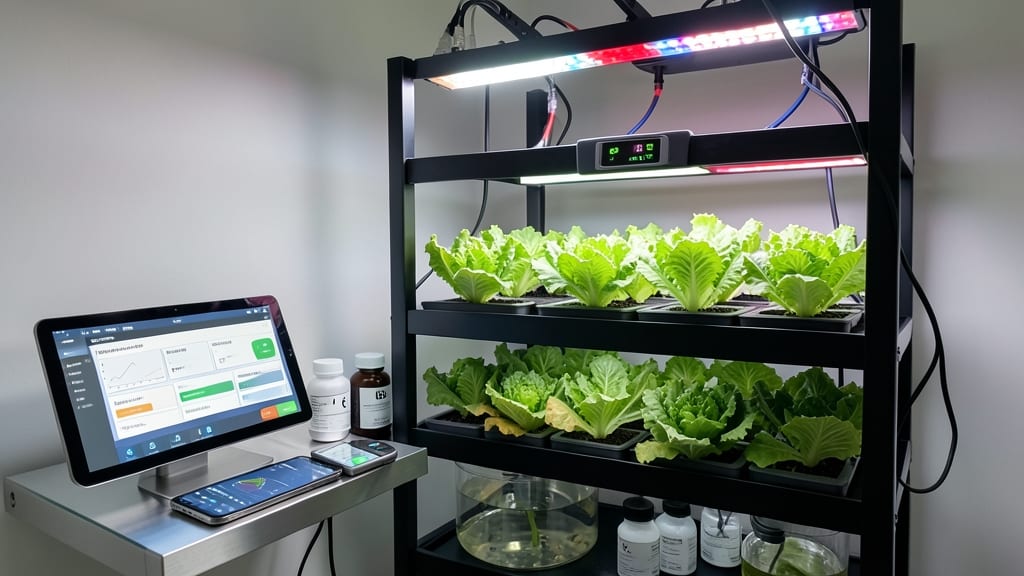
AI for gardening transforms plant care by using data-driven insights to monitor soil health, detect pests early, and automate watering—resulting in higher crop yields and less resource waste through smart technology.
This technology combines sensors, machine learning, and predictive analytics to create a smarter approach to growing plants. 🌱 For example, soil moisture sensors paired with AI can adjust irrigation schedules based on real-time conditions, while computer vision systems identify plant diseases before they spread.
Many gardeners and farmers now rely on these tools to save time, reduce water usage, and improve overall plant health—making it a game-changer for both small gardens and large-scale agriculture.
Beyond just automation, AI gardening tools often provide personalized recommendations tailored to specific plant types and environmental factors. The key advantage is that these systems learn and adapt over time, continuously refining their strategies for better outcomes.
Whether you're a hobbyist or a commercial grower, integrating AI can help you achieve more consistent results with less effort.
💡 In This Article
- How AI Tools Diagnose Plant Health and Soil Conditions
- Top AI-Powered Gardening Tools for Home and Commercial Use
How AI tools diagnose plant health and soil conditions
AI-powered gardening tools rely on a combination of sensors and machine learning to analyze plant health at a microscopic level. For example, soil sensors embedded in gardens measure pH levels, moisture content, and nutrient concentrations every few minutes, transmitting data to cloud-based algorithms that compare readings against optimal growing conditions.
These systems can detect subtle changes—like a 0.2 pH shift or 5% drop in soil moisture—that might indicate early-stage stress or disease before visible symptoms appear. 🌱
The real magic happens with computer vision technology, where high-resolution cameras capture images of plant leaves and stems. AI models trained on thousands of labeled images can identify over 50 common plant diseases (including fungal infections, bacterial spots, and viral patterns) with 95% accuracy—far surpassing human inspection.
For instance, a tomato leaf with early signs of late blight might show up as dark brown lesions in images, triggering automated alerts for fungicide treatment before the infection spreads. These systems even analyze leaf color variations to predict nutrient deficiencies, such as nitrogen or magnesium shortages.
Predictive analytics takes this a step further by forecasting potential issues based on historical data and environmental factors. For example, if your garden's AI detects high humidity combined with recent rain, it might predict a 70% chance of powdery mildew within 48 hours and recommend preventive sprays.
This proactive approach reduces the need for reactive treatments, saving both time and resources. The algorithms continuously learn from user inputs, adjusting their recommendations as they gather more data about your specific growing conditions. 💡
One fascinating application is the use of electrical conductivity sensors to measure soil salinity. These tools can detect harmful buildups of dissolved salts that inhibit plant growth, allowing gardeners to flush affected areas with water before crops suffer.
In commercial settings, this capability can save thousands in lost yield from salinized fields. The precision of these diagnostics means interventions are targeted rather than blanket, reducing chemical usage while maintaining plant vitality.
For home gardeners, these AI tools often integrate with smartphone apps to provide clear, actionable insights. Imagine receiving a notification that your basil plants need more potassium or that your soil's moisture level is ideal for planting tomatoes today.
The technology bridges the gap between complex scientific data and practical gardening decisions, making advanced plant care accessible to everyone. This democratization of precision agriculture is one of the most exciting developments in modern horticulture. ✨
What's particularly impressive is how these systems adapt to local microclimates. A garden in Arizona might have very different optimal conditions than one in Oregon, and AI tools learn these variations over time.
For example, they might adjust watering schedules based on local rainfall patterns or sun exposure data from nearby weather stations, creating a truly personalized growing environment. This level of customization was previously only available to large commercial operations with dedicated agronomists. 🌍