
Pests
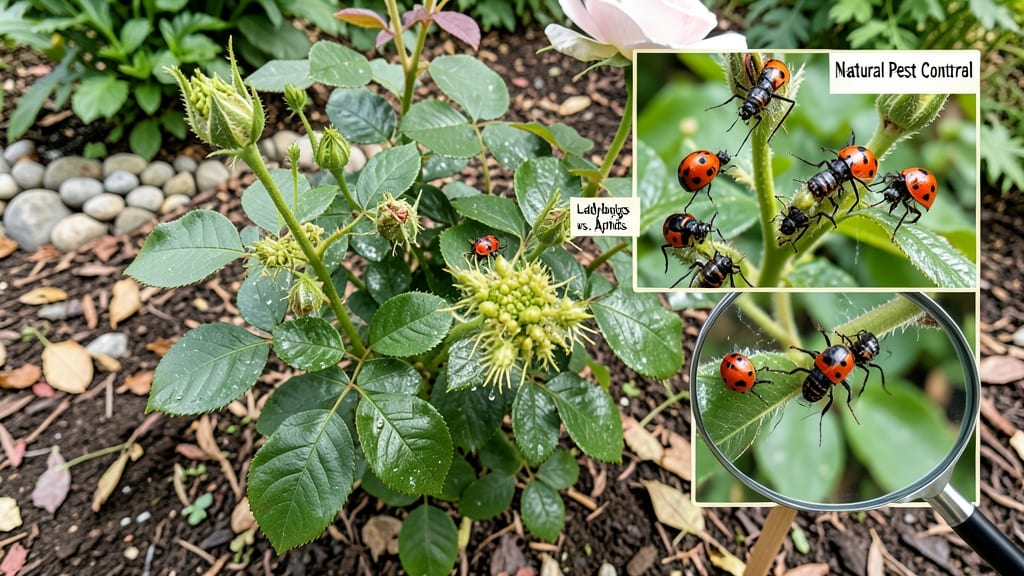
Ladybugs are one of the best natural solutions for garden pest control, as they aggressively hunt aphids, spider mites, and other soft-bodied insects—larvae devour up to 5,000 pests while adults consume 50–100 daily. For best results, release them at dusk when they’re least active and include shallow water sources to keep them in your garden.
These tiny predators are nature's pest control powerhouses, with a voracious appetite for common garden nuisances like aphids and mites. 🔥 Their larvae are particularly effective, consuming pests at an astonishing rate, while adults patrol your plants continuously.
The key to maximizing their impact lies in strategic placement—position them near infested areas during cooler evening hours when they’re most active. I’ve found that adding a simple water source (like a shallow dish with pebbles) can dramatically improve retention rates, as ladybugs need hydration to thrive.
Unlike chemical solutions, ladybugs provide targeted control without harming beneficial insects or pollinators. Their effectiveness peaks in spring and summer, aligning with most pest outbreaks, but they can be released year-round in warmer climates.
For larger gardens, aim for 5,000–10,000 ladybugs per acre, adjusting based on pest severity. The best part? They’ll often establish permanent populations if given the right conditions.
💡 In This Article
- How Ladybugs Naturally Combat Garden Pests
- Optimal Ladybug Release Strategies for Maximum Effectiveness
How ladybugs naturally combat garden pests
The real magic of ladybugs lies in their specialized predatory instincts, honed over millennia as nature's pest control agents. Their larvae are the heavy hitters—each one can devour 5,000 aphids during its 2-3 week developmental stage, while adult ladybugs consume 50-100 pests daily.
What makes them so effective is their hunting strategy: they use their long legs to detect prey vibrations in plant leaves, then strike with lightning-fast precision using their strong mandibles. 🔥 Unlike generalist predators, they show a strong preference for soft-bodied insects like aphids (which lack protective exoskeletons) and spider mites, making them perfect for vegetable gardens.
The lifecycle stages play a crucial role in their pest control efficiency. Eggs are laid in clusters on undersides of leaves, hatching into larvae that immediately begin hunting. These larvae resemble tiny alligators with spiky backs, moving deliberately as they search for prey.
Adults, with their iconic spotted shells, are more mobile and can patrol larger areas. What most gardeners don't realize is that ladybugs have a chemical defense mechanism—when threatened, they release a yellowish fluid containing alkaloids that repels predators, including some birds.
This dual role as both predator and protected species makes them uniquely valuable in organic gardening systems.
Ecologically, ladybugs function as keystone species in many ecosystems, helping maintain plant health by controlling pest populations before they become damaging. Their presence often correlates with reduced need for chemical interventions, creating a more balanced garden environment.
The key factor in their effectiveness is their prey specificity—they don't just eat anything; they target the most problematic pests while leaving beneficial insects like bees and hoverflies unharmed. This targeted approach makes them far more sustainable than broad-spectrum pesticides that harm entire ecosystems.
Temperature and humidity significantly influence their hunting efficiency. Ladybugs are most active between 60-85°F, with optimal performance occurring in 70-75% humidity ranges. Below 50°F, their activity drops dramatically, which is why spring releases (when aphid populations first emerge) are most effective.
Their preference for certain plant structures also matters—you'll often find them congregating on broadleaf plants where aphids cluster, particularly on the undersides of leaves where they're protected from wind and predators. This plant preference gives gardeners clues about where to position them for maximum impact.
Here's what happens when ladybugs encounter their preferred prey: they use their antennae to detect chemical cues from aphid honeydew (a sugary waste product), then approach with deliberate precision. Their mandibles can pierce aphid exoskeletons in 0.5-1 second, injecting digestive enzymes before sucking out the liquefied contents.
This rapid feeding cycle allows them to process hundreds of pests daily during peak seasons. The visual spectacle of dozens of ladybugs converging on an aphid colony is one of nature's most satisfying pest control demonstrations. 💫
One fascinating adaptation is their ability to recognize and remember pest hotspots. Studies show ladybugs can learn which garden areas have reliable food sources, often returning to the same plants day after day.
This behavioral trait means that once established in your garden, they'll develop site loyalty, creating a self-sustaining pest control system.
The most effective gardens use ladybugs as part of an integrated pest management approach, combining them with companion planting (like marigolds that attract aphids away from main crops) and proper garden hygiene to maximize their natural hunting efficiency.