
Vegetables
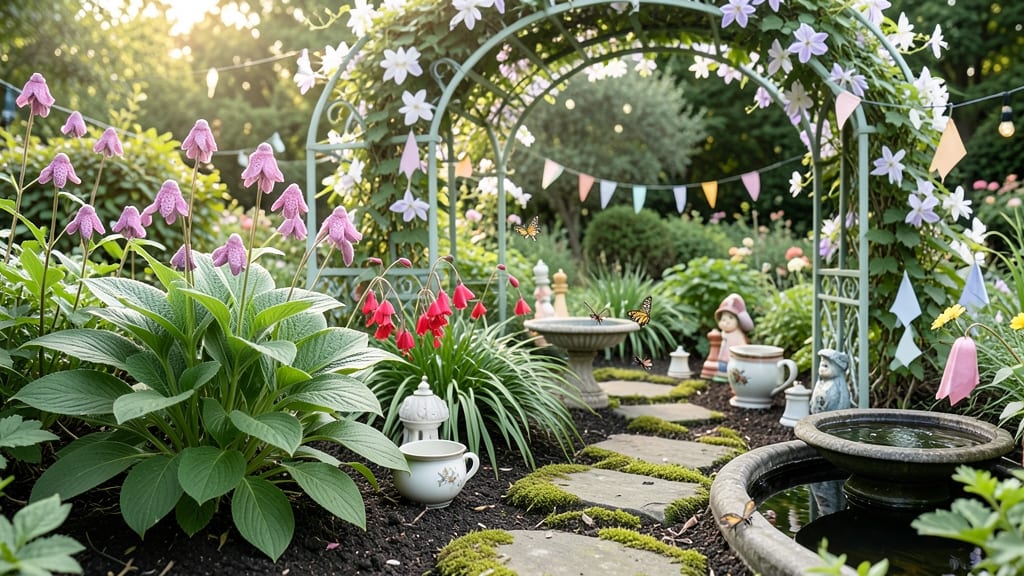
Alice in Wonderland Botanical Gardens transform literary whimsy into living art through themed exhibits featuring oversized flowers, interactive plant displays, and storybook-inspired trails. These immersive gardens blend horticulture with Lewis Carroll’s iconic scenes, creating a magical experience for families and plant enthusiasts alike.
Themed gardens like these reimagine classic storybook scenes using real botanical species, from giant blue roses resembling the White Queen's garden to carnivorous plants that nod to the Cheshire Cat's mischievous nature. 🌸 What makes these gardens special is their seasonal rotations—each exhibit evolves with plant life cycles, ensuring repeat visits always reveal something new.
The immersive trails, like the Mad Hatter's Tea Party grove, combine horticultural techniques with artistic installations to transport visitors directly into Carroll's world.
For the best experience, plan your visit during peak bloom seasons (typically spring and early summer) when the gardens showcase their most vibrant displays. Don't miss the hidden trails like the Looking Glass Pond area, where reflective pools mirror oversized flora.
Families will love the interactive elements, while photography enthusiasts will find endless magical backdrops. Pro tip: Check the garden's website for special events tied to the story's chapters—some locations even offer guided tours led by horticulturists who share the science behind the magic.
💡 In This Article
- How Alice in Wonderland Gardens Use Plants to Bring Storybook Magic to Life
- Planning Your Visit: Best Seasons, Hidden Trails, and Must-See Botanical Creations
How Alice in Wonderland gardens use plants to bring storybook magic to life
The gardens' most iconic displays rely on selective breeding and propagation techniques to create oversized flora that mirrors the story's whimsical scale. Take the giant blue roses in the White Queen's garden—these aren't naturally occurring.
Horticulturists use a technique called grafting, where they attach genetically modified rose varieties onto larger rootstocks to achieve stems reaching 6-8 feet tall while maintaining vibrant blue hues through dye-enhanced petals. The result?
Flowers that appear to grow right out of the pages of the book, complete with delicate thorns that add to the fairy-tale aesthetic.
Seasonal plant rotations create the "ever-changing" magic visitors rave about. For example, the Mad Hatter's Tea Party grove features carnivorous pitcher plants during summer months—these plants' distinctive shapes and "drinking" habits subtly reference the Cheshire Cat's mischievous nature.
In autumn, the same area transforms with orange and purple foliage arranged to resemble teacups and saucers. 🌿 The gardens use hydroponic displays for some installations, allowing precise control over growth patterns to create geometric shapes that mimic Carroll's intricate illustrations.
This scientific approach ensures each exhibit remains vibrant and visually striking throughout its display period.
Interactive elements rely on biological triggers to create "talking plants." One popular display features sensitive mimosa plants that react to touch—when visitors brush against them, the leaves fold inward dramatically, mimicking the Cheshire Cat's disappearing act.
Another exhibit uses sound-emitting orchids (modified with tiny speakers) that play fragments of the story when touched, creating an immersive audio experience. The gardens carefully select species with high sensory responses to maximize visitor engagement while maintaining ecological balance.
Lighting plays a crucial role in the magic. Many exhibits use UV-reactive plants that glow under blacklight, creating nighttime displays that reference the story's dreamlike quality. The Looking Glass Pond area features bioluminescent algae that emit soft blue light when disturbed, mirroring Alice's journey through the looking glass.
These techniques transform ordinary botanical displays into multi-sensory experiences that appeal to both children and adults, making the gardens' educational value as compelling as their aesthetic appeal.
What most visitors don't realize is how the gardens incorporate edible botanicals into their displays. The Mad Tea Party grove features herb spirals containing mint, chamomile, and lavender—all plants mentioned in the original story. These edible elements provide tactile and olfactory experiences that connect visitors more deeply with the narrative.
The gardens even offer storybook-themed tea blends using these herbs, creating a full sensory immersion that extends beyond the visual.
The secret to maintaining these displays lies in controlled environments. Many rare species require temperature-controlled greenhouses or humidity domes to thrive. For instance, the giant water lilies in the river scenes need precise water temperature regulation (between 75-80°F) to reach their full size.
This careful maintenance ensures each exhibit remains vibrant and true to the story's vision throughout its display period, creating a consistently magical experience for every visitor.