
Tools
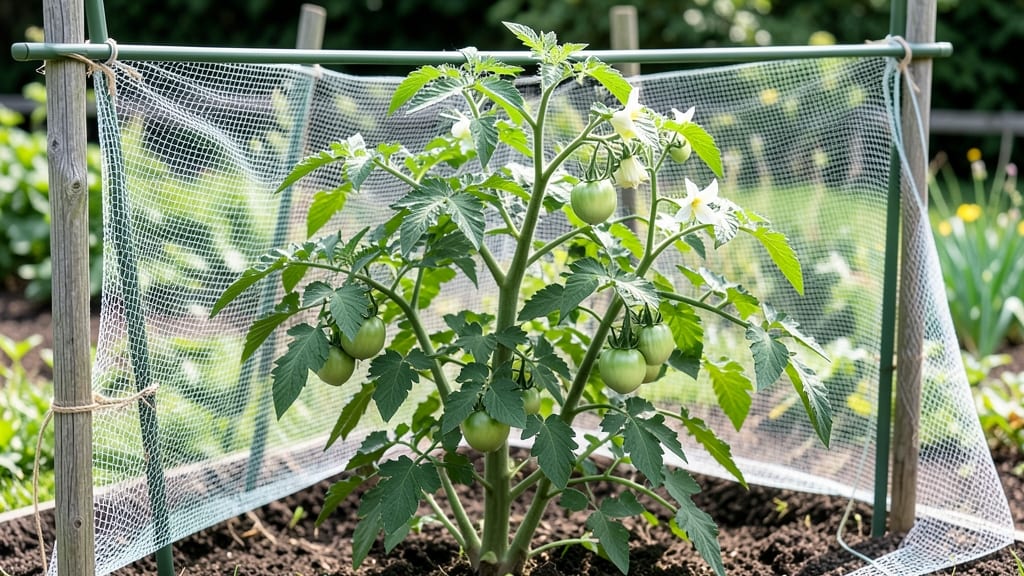
Pest netting for gardens creates a physical barrier against insects, birds, and small animals while maintaining airflow, sunlight, and hydration for healthy plant growth. Opt for 0.6mm mesh or finer for fruits and veggies, or heavier-duty netting for larger pests, securing it firmly with stakes or frames.
This protective barrier works by blocking pests at their entry points while keeping plants thriving. 🌱 For instance, fine mesh stops aphids from reaching tender leaves, while heavier netting deters squirrels from raiding corn.
The key is balancing mesh size with plant needs—too tight can restrict growth, but too loose lets pests through. Most gardeners find UV-resistant materials last longer, especially in sunny climates where regular plastic degrades faster.
Installation starts with measuring your garden beds or trellises, then cutting netting to fit with 1-2 feet of extra for secure anchoring. Use stakes or hoops to create a dome shape over plants, ensuring no gaps at the edges.
For seasonal crops, remove netting after harvest to allow full sunlight exposure. 💫 Many commercial kits include pre-cut panels, but DIY setups with zip ties or clips work too—just avoid anything that could damage stems.
💡 In This Article
- How Pest Netting Works to Safeguard Garden Plants
- Step-by-Step Guide to Installing Garden Pest Netting
How pest netting works to safeguard garden plants
The core mechanism behind pest netting is its physical barrier function, which operates at the microscopic level. Fine-mesh netting with openings of 0.6mm or smaller creates a nearly impenetrable shield against insects like aphids, whiteflies, and cabbage moths—pests whose bodies are often 1-3mm wide.
For comparison, a typical aphid measures about 1.5-3mm, while a cabbage butterfly's egg is just 0.5mm wide. The netting's tight weave prevents these pests from reaching plant tissues, disrupting their life cycles by blocking egg-laying and feeding.
Beyond pest exclusion, modern garden netting incorporates UV-stabilized fibers that protect plants from sun damage while allowing 80-90% of sunlight to penetrate. This balance is crucial because complete shade can weaken plants, while unprotected exposure leads to sunburn on fruits like tomatoes.
The breathability of quality netting also maintains air circulation, preventing fungal diseases that thrive in stagnant, humid conditions. Unlike plastic covers that trap heat, netting's open structure mimics natural airflow patterns, keeping temperatures 5-10°F cooler during peak sunlight hours.
One common misconception is that all netting suffocates plants, but proper installation prevents this risk. The key lies in maintaining 1-2 inches of space between the netting and plant canopies, allowing air and water to reach leaves.
For example, tomato plants need this gap to prevent blossom-end rot, while strawberries benefit from partial shade during their fruiting stage.
The netting's weight also matters—lighter materials (1.5 oz per sq yd) work for vegetables, while heavier duty (3 oz per sq yd) is needed for fruit trees facing deer or raccoon pressure.
Seasonal considerations play a vital role in netting effectiveness. In spring, when pests emerge, netting should be installed before buds appear to catch early infestations. During summer, check for UV degradation, especially with polypropylene netting, which can become brittle after 1-2 seasons in full sun.
Some gardeners use shade cloth netting (30-50% shade) for heat-sensitive crops like lettuce, creating a microclimate that reduces stress while still allowing pollinators access through larger 1mm mesh openings.
For organic gardeners, netting offers a chemical-free solution that works synergistically with other methods. When combined with companion planting (like marigolds repelling nematodes) or beneficial insects (ladybugs for aphids), netting creates a layered defense.
The physical barrier prevents pests from reaching plants entirely, while companion plants and predators handle any that slip through. This integrated approach is particularly effective against Japanese beetles, which can devastate roses and grapes—netting blocks their access while allowing bees to pollinate nearby flowers.
What most gardeners overlook is the psychological impact on pests. Birds, for instance, learn to avoid netting after a few failed attempts, while squirrels will seek easier targets when their usual food sources are protected.
This behavioral adaptation reduces the need for constant monitoring. The most successful setups use tensioned frames (like hoops) that create a dome shape, preventing pests from tunneling underneath where they might find entry points. 🌱