
Tools
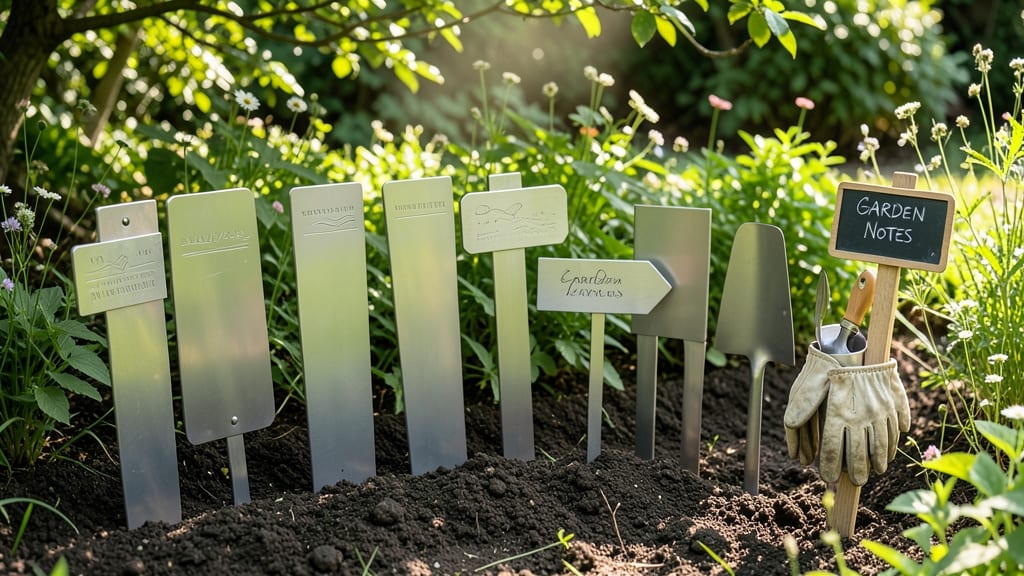
Aluminum garden signs are the best choice for outdoor durability, resisting rust and weather damage while maintaining crisp details year-round. Their lightweight yet strong construction keeps them stable in wind or rain.
Aluminum's natural resistance to corrosion and UV rays means these signs won't degrade like wood or fade like plastic—perfect for marking garden beds or labeling plants. 🌿 The material's lightweight nature makes it easy to install without risking damage to your soil or plants.
I've seen gardeners use them for everything from plant identification to seasonal decor, and they hold up beautifully through all four seasons.
What sets aluminum apart is its ability to maintain sharp lettering and designs even after years of exposure. Unlike wood that rots or plastic that cracks, aluminum signs keep their professional look while being fully recyclable at the end of their life.
For gardeners who want long-lasting, low-maintenance signage, aluminum is the clear winner.
💡 In This Article
- Why Aluminum Outperforms Wood and Plastic for Garden Signs
- Top Uses for Aluminal Garden Signs in Landscaping
Why aluminum outperforms wood and plastic for garden signs
Aluminum's superiority in outdoor signage comes down to its molecular structure. Unlike iron or steel, pure aluminum forms a natural oxide layer when exposed to oxygen—a process called passivation. This microscopic layer acts as a protective shield against moisture, preventing rust and corrosion even in rainy climates.
For comparison, untreated wood absorbs water and swells, while plastic signs crack under UV exposure after just 1-2 years.
The real game-changer is aluminum's UV resistance. Sunlight contains ultraviolet rays that break down polymers in plastic, causing yellowing and brittleness. Aluminum, however, reflects 90% of UV radiation while maintaining its structural integrity.
This is why aluminum signs keep their sharp lettering and vibrant colors for 5-10 years or longer, unlike wood that gray and plastic that degrades. The material's high thermal conductivity also prevents warping from temperature fluctuations between -40°F and 120°F.
For gardeners, this means fewer replacements and more time spent gardening. The lightweight nature of aluminum (about 1/3 the weight of steel) makes installation effortless—no heavy lifting that could damage soil or plants.
Unlike wooden stakes that require periodic staining or plastic signs that need frequent cleaning, aluminum signs stay pristine with just an occasional wipe-down. This low-maintenance feature is particularly valuable for permaculture gardens where signage needs to remain readable for decades.
Consider these material comparisons for outdoor durability:
- Aluminum: Corrosion-resistant, UV-stable, lightweight (2.7 g/cm³ density), maintains sharp details
- Wood: Absorbs moisture (leads to rot), requires sealing, limited to 3-5 years lifespan
- Plastic/Vinyl: Cracks under UV (1-2 years lifespan), becomes brittle, limited color options
Aluminum's strength-to-weight ratio also makes it ideal for windy conditions. While plastic signs may bend and wooden stakes snap, aluminum signs remain upright with stakes as thin as 1/8-inch diameter.
This structural advantage is why professional landscapers and nurseries prefer aluminum for both functional and decorative signage. The material's recyclability adds an eco-friendly bonus that wood and plastic simply can't match.
What most gardeners don't realize is how aluminum's surface properties enhance customization. Unlike wood that splinters when painted or plastic that peels, aluminum accepts acrylic paints, vinyl decals, and even laser engraving without degradation.
This makes it the perfect canvas for creating personalized garden markers that stay vibrant season after season. 🌿