
Neem Oil
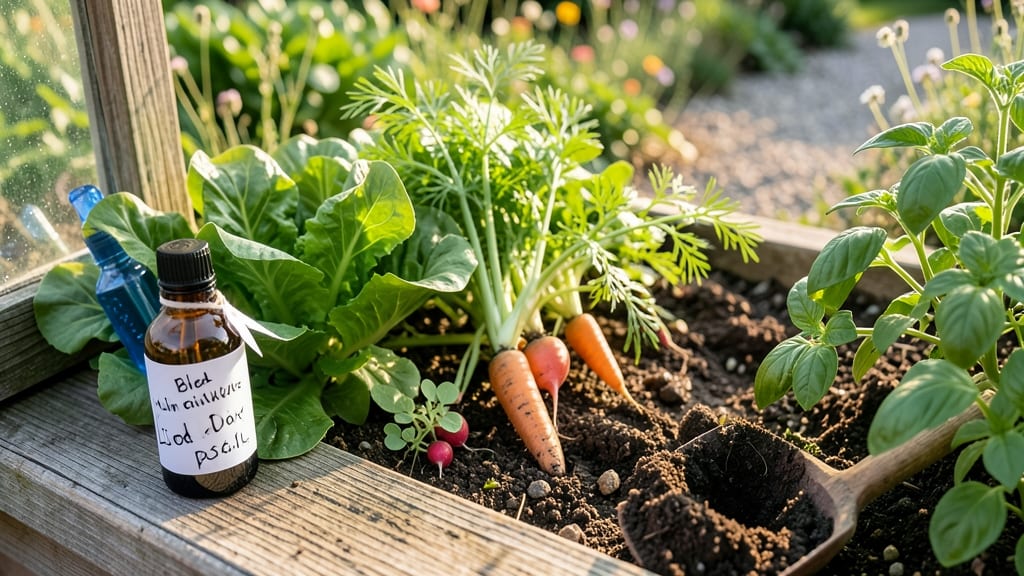
Boiled linseed oil is generally safe for garden beds when used properly, as it improves soil structure and water retention while providing a natural sealant for mulch. However, overuse can suffocate soil microbes and create a waterproof barrier that may harm root growth, requiring careful dilution and application.
When used correctly, boiled linseed oil acts like a natural soil conditioner, helping to bind particles and reduce erosion while locking in moisture. 🌱 This makes it particularly useful for sandy soils or areas prone to drought, as it mimics the water-retaining properties of organic mulch.
The key is moderation—think of it as a supplement rather than a replacement for compost or other organic amendments. I always recommend mixing it with water at a 1:10 ratio to prevent over-saturation, which can actually suffocate beneficial microbes in the long run.
What sets linseed oil apart from other soil treatments is its ability to create a protective layer on mulch, slowing evaporation without blocking airflow to roots. However, this same property can backfire if applied too heavily, creating a hydrophobic barrier that repels water entirely.
For sensitive plants like succulents or shallow-rooted herbs, I suggest testing a small patch first or opting for lighter oils like sunflower oil instead.
💡 In This Article
- How Boiled Linseed Oil Enhances Soil Health
- Safe Application Tips for Garden Beds
How boiled linseed oil enhances soil health
Boiled linseed oil works its magic primarily through its chemical composition, which includes long-chain fatty acids and glycerides that act like a natural glue for soil particles. When applied, these molecules create a thin, flexible film that binds clay, sand, and silt together, forming stable aggregates.
This process mimics how organic matter improves soil structure, but with a faster, more immediate effect. The oil's viscosity allows it to penetrate between particles without clogging pores, unlike heavier oils that can create waterproof layers.
The moisture-retaining benefits come from this same film-forming property. In sandy soils where water drains too quickly, a properly diluted linseed oil treatment can reduce evaporation rates by up to 30% while still allowing oxygen to reach roots.
The oil's hydrophobic nature (water-repelling) actually helps regulate moisture by slowing surface evaporation, similar to how a well-maintained pond liner prevents water loss. For comparison, coconut oil—often used as a natural alternative—provides moisture retention but lacks the structural binding properties of linseed oil due to its shorter fatty acid chains.
What's fascinating is how linseed oil interacts with microbial life. While pure oil can inhibit some beneficial bacteria, the diluted form (typically 10% concentration) actually creates microenvironments that support fungal networks and mycorrhizal associations.
These fungi help break down organic matter and improve nutrient cycling, which is why many gardeners notice enhanced plant vigor after treatment. The key difference from chemical soil conditioners is that linseed oil breaks down over time through microbial activity, leaving no toxic residues.
For mulch applications, boiled linseed oil acts like a natural sealant that slows decomposition while maintaining permeability. A 1-part oil to 10-parts water solution brushed onto straw or wood chip mulch can extend its lifespan by 2-3 months compared to untreated mulch.
The oil's amber color also provides a subtle UV protection for mulch materials, preventing them from bleaching in sunlight. However, this same sealing effect can become problematic if overapplied—imagine trying to water a freshly oiled driveway versus a properly treated garden bed.
When comparing linseed oil to other soil amendments, its strengths lie in its dual functionality as both a structural binder and moisture regulator. Compost improves soil biology but lacks the immediate physical stabilization, while coconut oil provides moisture but doesn't enhance soil aggregation.
The oil's ability to work in both dry and clay soils makes it uniquely versatile, though it requires proper dilution to avoid creating hydrophobic zones where water simply beads up on the surface instead of penetrating.
One often-overlooked benefit is the oil's subtle antimicrobial properties. While not as strong as neem oil, boiled linseed oil can help suppress certain soil-borne pathogens by creating an unfavorable environment for their spores.
This makes it particularly useful in vegetable gardens where fungal diseases like damping-off are common. The treatment's effectiveness peaks in 2-4 weeks after application, aligning with the typical germination period for many crops.