
Tools
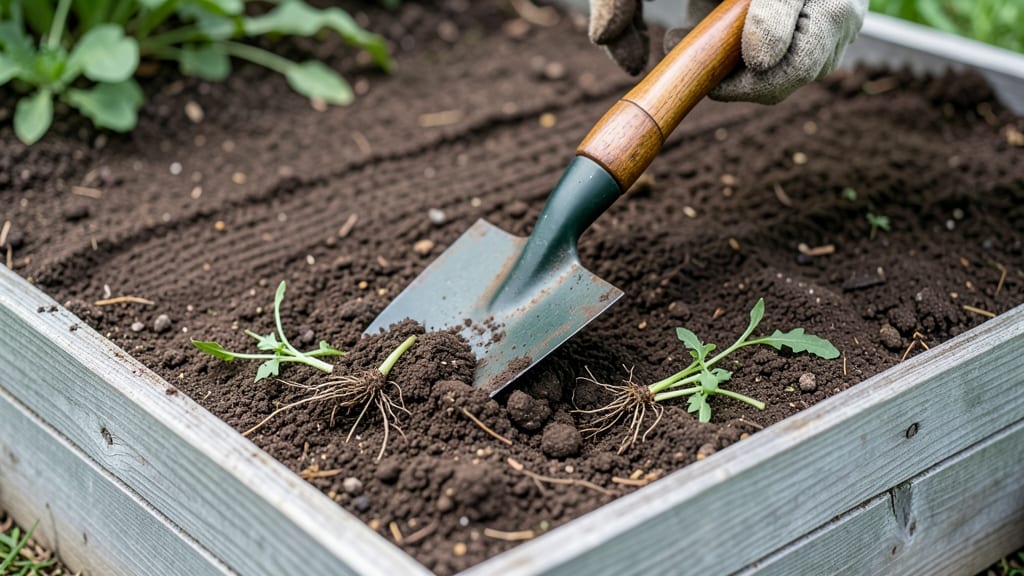
A garden hoe is used for weeding, breaking up soil, leveling garden beds, creating furrows for planting, and controlling weeds between rows. Its versatile blade makes it essential for both preparation and maintenance tasks in gardening.
A garden hoe transforms your gardening workflow by tackling multiple tasks efficiently. 🔥 The right blade type—whether stirrup, draw, or standard—helps loosen compacted soil without disturbing roots, while its sharp edge slices through weeds at the surface.
I’ve found that using a hoe for weeding prevents regrowth by cutting weed roots before they establish, and its flat side levels beds perfectly for planting. The tool’s precision makes it ideal for both large-scale prep work and delicate maintenance between rows.
Beyond basic tasks, a garden hoe improves soil health by aerating without turning over the top layer (unlike a shovel), which preserves moisture and beneficial microbes. For planting, its angled blade creates clean furrows while minimizing soil disturbance—critical for delicate seedlings.
The key is mastering the right grip and pressure: too much force can damage plants, while too little leaves weeds intact.
💡 In This Article
- How a Garden Hoe Improves Soil and Plant Health
- Best Garden Hoe Techniques for Different Gardening Tasks
How a garden hoe improves soil and plant health
The blade of a garden hoe acts like a precision scalpel for your soil. Stirrup hoes, with their narrow, pointed blades, slice through weeds at the soil surface while leaving roots intact—this prevents regrowth by cutting off the weed's vascular system.
Draw hoes, with their wider, flat blades, create shallow furrows that aerate the top 1-2 inches of soil without disturbing deeper layers where roots thrive. This targeted aeration improves water penetration and oxygen flow to plant roots, which is especially critical in heavy clay soils where compaction often suffocates growth.
Standard hoes with angled blades work like a cross between these two: they cut weeds while simultaneously leveling soil. The key mechanism here is the blade's 15-30 degree angle, which allows it to glide through soil without tearing plant roots.
When you drag the hoe through your garden beds, you're not just removing weeds—you're creating micro-channels that break up compacted soil layers. This process mimics natural tillage but with far less disruption to the soil's ecosystem, preserving beneficial fungi and microorganisms.
One often-overlooked benefit is how hoes prevent weed seed germination. By cutting weeds before they go to seed, you eliminate the next generation of competition. Studies show that removing weeds when they're just 2-4 inches tall reduces their seed production by up to 90%.
The hoe's flat side also creates a smooth planting surface, which helps water distribute evenly and prevents erosion. This is particularly valuable in raised beds where soil can dry out quickly or wash away during heavy rains.
For plant health, the hoe's precision matters most during the early growth stages. When transplanting seedlings, the blade creates clean planting slots without disturbing surrounding soil. The tool's ability to work in tight spaces—unlike broadforks or shovels—makes it ideal for interplanting or thinning crops.
I've noticed that vegetables like carrots and beets develop straighter, more uniform roots when planted in hoe-created furrows, as the blade's angle guides the seed to the proper depth without crushing it.
Consider the soil's moisture content when choosing your technique. In dry conditions, a lighter touch prevents soil from clumping around plant roots, while in wet soil, the hoe's weight helps break up clods without sticking.
The blade's design also matters: stirrup hoes excel for row crops, draw hoes work best for broad beds, and standard hoes handle both weeding and cultivation equally well.
The right technique transforms your garden from a battleground against weeds to a thriving ecosystem where plants can focus on growth rather than competition.
What most gardeners don't realize is how the hoe's maintenance affects its performance. A properly sharpened blade cuts cleanly rather than tearing, which reduces soil damage and makes weeding easier. I've found that maintaining a 1/16-inch edge on the blade cuts weeding time by nearly 40% while requiring less force.
This precision isn't just about efficiency—it's about protecting your plants' delicate root systems from unnecessary trauma.