
Pests
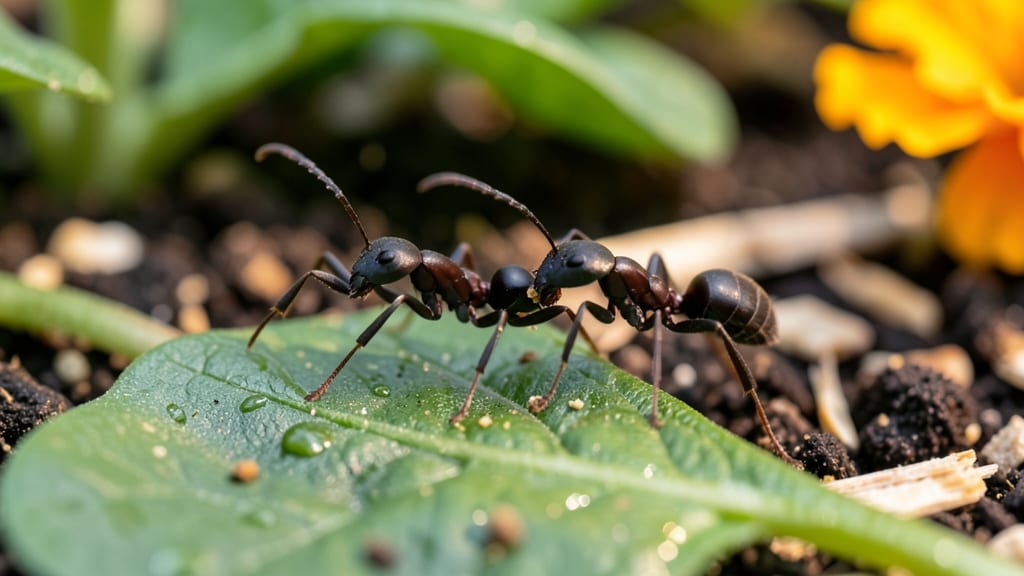
Dealing with ants in raised garden beds? They're drawn to moisture and decaying plant matter but usually don't damage your crops directly. Break their trails with diatomaceous earth, use cinnamon or citrus peels as deterrents, and improve soil drainage to make your beds less appealing. Skip chemical sprays to keep beneficial insects safe and maintain soil health.
Ants in your raised garden beds might seem like a nuisance, but they actually play a helpful role by aerating soil and breaking down organic material. 🐜 The real issue is their attraction to moisture and decaying plant debris, which creates perfect nesting conditions.
Instead of fighting them with harsh chemicals, focus on eliminating their food sources—like overripe fruit or spilled sugars—and improving airflow in your soil. This approach keeps your garden thriving while keeping those tiny workers in check naturally.
For a hands-on solution, try sprinkling crushed citrus peels or cinnamon around the edges of your raised beds. These natural repellents disrupt ant trails without harming your plants or helpful insects. Another effective trick is to create a barrier with diatomaceous earth, a fine powder that dehydrates ants on contact.
Just be sure to reapply after rain or watering, as moisture washes it away.
💡 In This Article
- Why Ants Invade Raised Garden Beds
- Best Organic Ant Repellents for Garden Beds
Why ants invade raised garden beds
Ants don't just wander into your raised garden beds randomly—they're following a trail of resources. These tiny workers are primarily drawn to moisture, which creates ideal nesting conditions in the compacted soil of raised beds.
The moisture content in raised beds often stays higher than in-ground gardens because of the limited drainage and frequent watering. Ants also target organic debris like fallen leaves, fruit scraps, or even the sugary honeydew produced by aphids on your plants.
This debris provides both food and nesting material, making your garden an all-you-can-eat buffet for them.
The soil structure in raised beds plays a crucial role too. Loose, well-aerated soil might seem perfect, but ants actually prefer slightly compacted areas where they can create tunnels and chambers more easily.
They're also attracted to the edges of your garden beds, where the soil meets mulch or bare ground—a transition zone that offers both shelter and easy access to food sources.
Interestingly, while ants are often seen as pests, they actually perform valuable ecosystem services like aerating soil and breaking down organic matter. The issue isn't their presence but their attraction to conditions we create in our gardens.
What most gardeners don't realize is how ants use chemical trails to recruit their colony. When a worker ant finds a food source, it leaves behind a pheromone trail that other ants follow like a scent map.
This is why you might see a seemingly endless line of ants marching toward your plants. The trails can extend up to 100 feet from their nest, and once established, they become nearly impossible for ants to forget—even if you temporarily remove the food source.
This chemical communication system is what makes ant control particularly challenging in garden settings.
Another surprising factor is how ants respond to temperature fluctuations. They're most active when soil temperatures range between 70-85°F, which is why you'll often see increased ant activity during warm, humid afternoons. The moisture in the air during these times makes your garden beds even more appealing.
Understanding this behavior helps explain why ant problems often spike during late spring and summer months—when both temperature and humidity are at their peaks. This knowledge is key to implementing targeted, effective control strategies.
Let's talk about the food sources that really draw ants. While they'll eat almost any organic matter, their top attractions include:
- Sugary substances: Overripe fruit, spilled soda, or even plant sap from aphid-infested leaves
- Protein sources: Insects, dead animals, or even pet food left near garden edges
- Fats and oils: Greasy residues from garden tools or birdseed
Here's where many gardeners go wrong: they assume ants are directly harming their plants. While some ant species might indirectly affect plants by protecting aphids (which they "farm" for honeydew), most ants in garden beds are simply looking for food and shelter.
The real damage comes from their attraction to conditions we create—like poor drainage or excessive organic matter—which makes our gardens more appealing to them than the surrounding environment.