
Watering
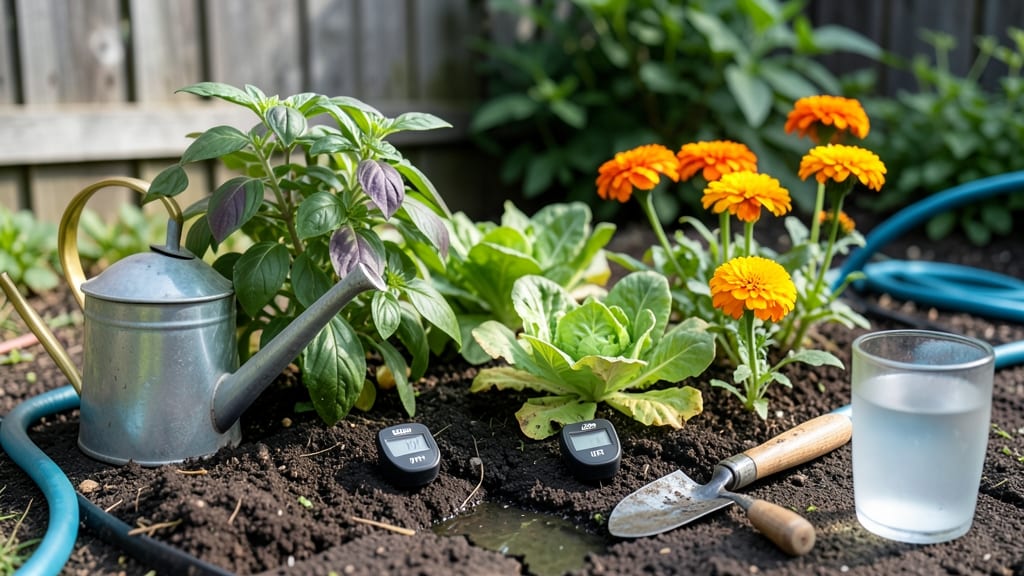
You don’t need to water your garden every day—most plants grow best with 1 to 1.5 inches of water weekly, depending on soil type, climate, and plant species. Daily watering often leads to root rot, while inconsistent watering stresses plants, so prioritize deep, infrequent watering over light, frequent sprinkling.
Most gardeners overestimate how often plants need water. 💧 The key is understanding your soil’s moisture retention—sandy soils drain quickly, requiring more frequent but shallower watering, while clay holds moisture longer, needing less but deeper saturation.
Climate plays a huge role too: hot, dry days evaporate water faster, while cool, humid weather reduces how often you need to water. Instead of sticking to a rigid schedule, check soil moisture by sticking your finger 1-2 inches deep—if it’s dry, that’s your cue to water.
Different plants have wildly different needs too. Succulents and native grasses might only need water every 2-3 weeks, while leafy greens and tomatoes crave consistent moisture. 🌱 A simple trick is grouping plants with similar water requirements together in your garden layout.
Early signs of overwatering include yellowing leaves or mold, while underwatering shows as wilting or crispy edges. Adjust your routine seasonally—spring showers mean less manual watering, while summer heat demands more attention.
💡 In This Article
- How Soil Type and Climate Affect Watering Frequency
- Plant-Specific Watering Schedules for a Thriving Garden
How soil type and climate affect watering frequency
Your garden's soil acts like a sponge, but not all sponges hold water the same way. Sandy soils drain water like a fine-mesh sieve—moisture passes through in hours, leaving roots thirsty. These soils need watering every 2-3 days in hot weather, but only 1 inch per session to prevent runoff.
On the flip side, clay soils hold moisture like a tightly woven towel, staying damp for weeks. Here, watering every 5-7 days with 1.5-2 inches at a time ensures deep saturation without waste. The magic number? Aim for soil that feels like a wrung-out sponge—moist but not soggy.
Climate throws another wrench into the mix.
In arid regions like the Southwest U.S., evaporation rates can exceed 0.25 inches per day during summer, meaning you might need watering every 2 days just to maintain moisture. 🌵 Conversely, in humid coastal areas like the Pacific Northwest, air moisture reduces evaporation by up to 40%, allowing you to stretch watering to once a week.
Even microclimates matter—south-facing beds dry out faster than north-facing ones. Use a rain gauge to track weekly totals (including natural precipitation) and adjust accordingly.
The real game-changer is root depth. Shallow-rooted plants like lettuce or basil need frequent, light watering to keep the top 1-2 inches of soil moist, while deep-rooted perennials like lavender or rosemary can access water from 3-4 feet down.
Here's the trick: Water deeply enough to encourage roots to grow downward. A good rule is to water until moisture reaches 6-12 inches deep, depending on the plant. This creates resilient roots that can handle dry spells—nature's insurance policy against drought.
Don't overlook the hidden factors. Organic matter like compost improves water retention by 30-50% compared to bare mineral soil. Mulch (2-4 inches of straw or wood chips) can cut evaporation by up to 75% while keeping soil temperatures stable.
Even wind plays a role—exposed garden beds lose moisture 20% faster than sheltered ones. Test your soil's moisture by grabbing a handful: if it crumbles easily, it's time to water; if it sticks together, hold off. This tactile check beats guesswork every time.
Seasonal shifts demand flexibility. Spring showers often provide enough moisture that summer's 1.5-inch weekly rule might only need 0.5 inches of supplemental water. Winter dormancy reduces water needs by 50% for most plants.
Pay attention to your garden's feedback—wilting leaves or fungal growth are clear signals to adjust. The goal isn't perfection but balance: giving roots enough water to thrive without drowning them in excess. 💧