
Pests
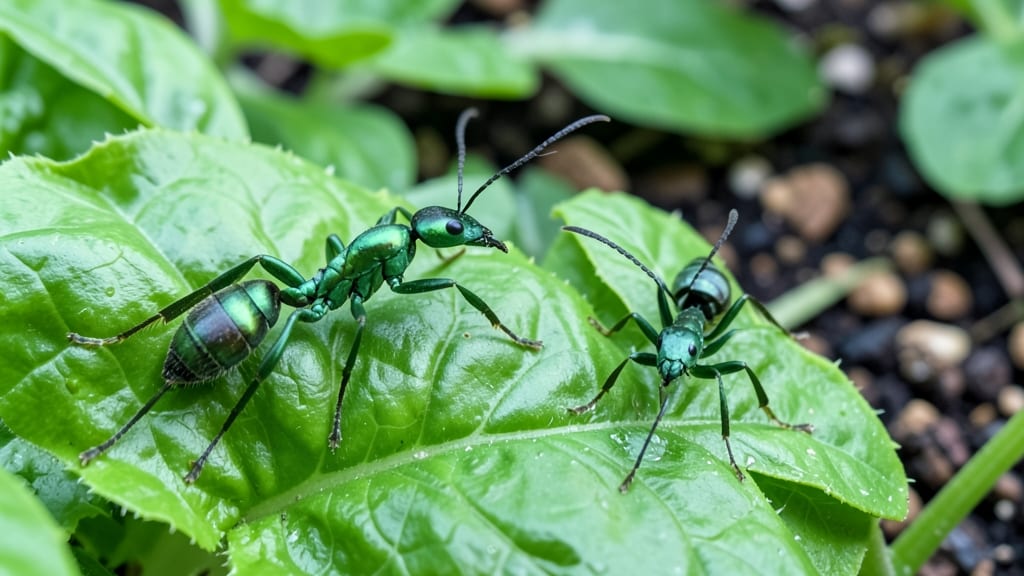
Ants in the garden are generally okay and often beneficial, as they aerate soil, control pests like aphids, and promote plant health. However, certain species may disturb roots or harm crops—identify types before deciding whether to intervene.
Most garden ants actually help more than they harm by breaking down organic matter and keeping pest populations in check. 🌱 The key is recognizing which species you're dealing with—some, like pavement ants, are harmless scavengers, while others, such as fire ants, can damage plant roots or seeds.
I've found that observing their behavior (e.g., mound-building or leaf-cutting) helps determine whether they're beneficial or problematic.
For example, harvester ants may seem destructive when they collect seeds, but they also prevent weed growth by consuming weed seeds. Meanwhile, carpenter ants primarily target wood rather than plants. Understanding these differences lets you decide whether to intervene or simply let nature's balance take its course.
If you notice signs of damage, like wilting plants or disturbed soil, that's when you might consider natural deterrents like diatomaceous earth or vinegar sprays. These methods are gentle on plants while still discouraging unwanted ant activity.
💡 In This Article
- Types of Garden Ants and Their Impact on Plants
- Natural Ways to Manage Ants Without Harming Your Garden
Types of garden ants and their impact on plants
Garden ants fall into three broad categories based on their behavior and ecological roles: soil aerators, pest controllers, and plant disruptors.
The most common beneficial species, like pavement ants and little black ants, primarily feed on sweets and proteins but also hunt small garden pests such as aphids and mites.
These ants contribute to soil health by breaking down organic matter—studies show they can increase soil porosity by up to 30% through their tunneling activity, which improves water drainage and root growth. 🌱
On the other hand, fire ants and harvester ants can cause visible damage. Fire ants, recognizable by their aggressive mound-building (often 12-18 inches tall), inject venomous stings that can kill young plants or disrupt root systems.
Harvester ants, while less aggressive, harvest seeds—sometimes up to 500 seeds per day—which may thin out desired crops like lettuce or carrots. Meanwhile, carpenter ants focus on wood rather than plants but can weaken wooden garden structures or fences over time.
The key to coexistence lies in identifying these behaviors. For instance, if you spot ants tending to aphids (a common symbiotic relationship), they're likely beneficial. However, if you notice wilting seedlings or disturbed soil near ant mounds, those ants may be harmful.
Observing their trails and diet preferences—like whether they're attracted to sweets, proteins, or seeds—can help you determine their impact. 🔍
Some ants, like argyle ants (native to Australia but found in other regions), actually protect plants by preying on pests and even pollinating flowers. These species are often overlooked but play a crucial role in maintaining garden biodiversity.
The presence of these ants can reduce the need for chemical pesticides, creating a more balanced ecosystem. Understanding these nuances helps gardeners make informed decisions about whether to intervene or let nature's balance unfold.
Temperature and climate also influence ant behavior. In warmer months, ant activity peaks, increasing their potential to either help or harm your garden. For example, fire ants become more aggressive during 75-95°F temperatures, while harvester ants are most active in dry conditions, often targeting newly planted seeds.
Monitoring these patterns can help you anticipate and mitigate any negative effects. 🌡️
To further complicate matters, some ants change their behavior seasonally. In spring, they focus on nest-building and may disturb soil, while in summer, they become more aggressive in search of food.
This seasonal shift means your garden's ant population might go from harmless to problematic within a few months, depending on the species and environmental conditions.