
How To
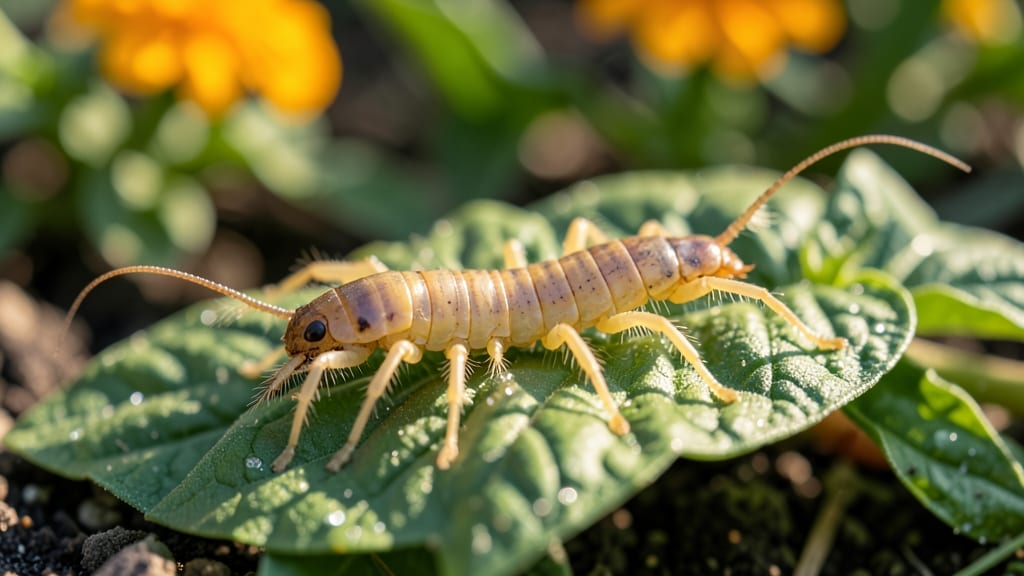
Centipedes in gardens aren't bad—they're actually helpful predators that eat pests like slugs, aphids, and caterpillars, keeping your plants healthy without damaging them.
These multi-legged hunters thrive on soft-bodied insects and larvae, making them nature's pest control. 🌱 Unlike ants or beetles that might chew plant roots, centipedes focus on creatures that directly harm your garden. Their presence often means your soil ecosystem is already balanced, reducing the need for chemical interventions.
While they won't harm your plants, their numbers should stay natural—too many centipedes might indicate an overabundance of their prey. If you notice an explosion of slugs or aphids, that's your cue to address the root cause rather than blaming the centipedes.
Think of them as your garden's silent security team working 24/7.
💡 In This Article
- Centipede Diet: What They Eat in Your Garden
- Natural Ways to Encourage or Control Centipede Populations
Centipede diet: what they eat in your garden
Centipedes are voracious predators with a diet specialized for controlling garden pests. Their menu primarily consists of soft-bodied insects and larvae, including slugs, aphids, caterpillars, and even small spiders.
Unlike beetles or ants that might damage plant roots, centipedes focus on creatures that directly threaten your garden's health. Their hunting strategy involves injecting venom to paralyze prey, making them efficient natural pest controllers. 🔥
Their diet reveals why they're garden allies. For example, a single centipede can consume 5-10 aphids per day, while larger species like the house centipede target slugs and snails—pests that chew leaves and young plants.
Their preference for moist environments means they often inhabit areas where slugs thrive, creating a natural balance. Unlike earthworms that aerate soil or bees that pollinate, centipedes act as the garden's pest patrol, reducing the need for chemical interventions.
What sets centipedes apart is their selectivity. They avoid hard-shelled insects like beetles or grasshoppers, which can't be crushed by their mandibles. This specialization means they won't compete with beneficial insects like ladybugs or lacewings.
Their presence often indicates a healthy ecosystem where prey populations are naturally regulated. Unlike invasive species that disrupt balances, centipedes integrate seamlessly into the food web.
However, their diet isn't limited to pests. In rare cases, centipedes may eat small earthworms or even other centipedes when food is scarce. This cannibalistic behavior is more common in overpopulated areas, signaling an imbalance in the garden's ecosystem.
The key is maintaining natural populations—centipedes thrive when their prey is abundant but controlled, creating a self-sustaining cycle of pest management. ✨
To visualize their impact, imagine a garden where aphids would otherwise multiply unchecked. Centipedes act as the first line of defense, reducing outbreaks before they become visible. Their hunting patterns also differ from spiders, which often target flying insects.
Centipedes focus on ground-dwelling pests, making them complementary to other beneficial predators in your garden's pest control arsenal.
This ecological role explains why gardeners rarely see centipedes as pests themselves. Their presence is a sign of a balanced environment where natural predators are doing their job.
Unlike ants that might raid your kitchen or beetles that chew foliage, centipedes remain hidden in the soil and leaf litter, working silently to protect your plants. Their diet reveals a purposeful design in nature's pest control system. 💫