
Pests
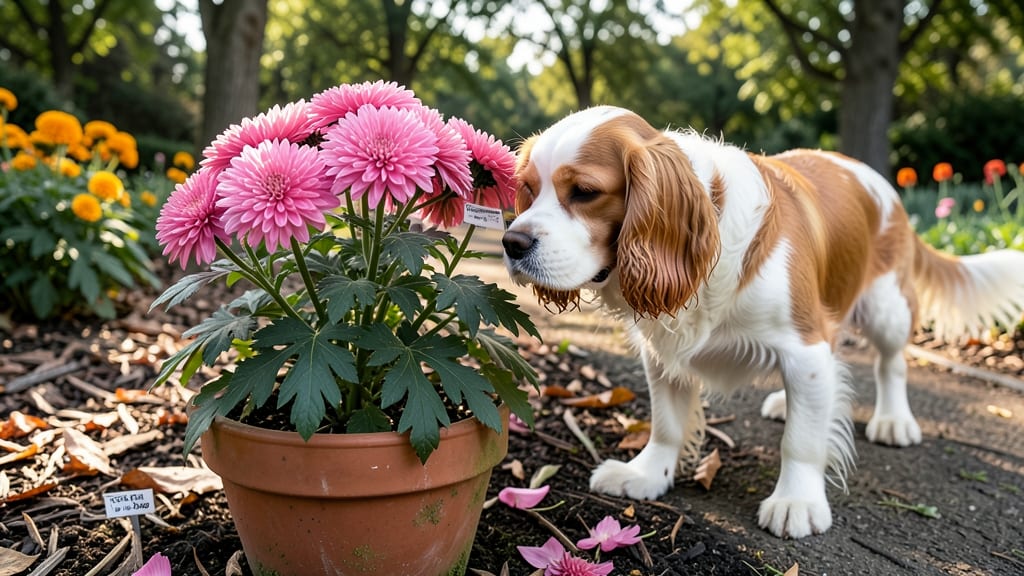
Garden mums (chrysanthemums) are toxic to dogs if ingested, containing pyrethrins that can cause vomiting, diarrhea, drooling, and lethargy. Severe cases may lead to liver damage or neurological issues, requiring immediate vet attention if symptoms appear.
Garden mums contain natural compounds called pyrethrins, which act as insecticides and can trigger serious reactions in dogs. 🐾 The severity depends on how much your dog consumes—even small amounts of leaves or stems may cause digestive upset, while larger ingestions risk liver or nerve damage.
I’ve seen cases where dogs developed seizures after eating entire stems, so it’s critical to monitor them closely around these plants.
Interestingly, the toxicity varies by plant part—flowers are less dangerous than stems or leaves, but that doesn’t mean they’re safe. Some dogs may also experience skin irritation if they brush against the plants, leading to itching or redness.
If you suspect ingestion, contact your vet immediately, as early treatment can prevent long-term complications.
💡 In This Article
- Toxic Compounds in Chrysanthemums and Their Effects on Dogs
- Safe Alternatives to Garden Mums for Dog-Friendly Gardens
Toxic compounds in chrysanthemums and their effects on dogs
Chrysanthemums contain two primary toxic compounds: pyrethrins (natural insecticides) and sesquiterpene lactones (bitter-tasting chemicals). Pyrethrins disrupt a dog's nervous system by overstimulating sodium channels in nerve cells, leading to muscle tremors or seizures in severe cases.
Sesquiterpene lactones, meanwhile, irritate the digestive tract, causing inflammation that triggers vomiting and diarrhea. 🔥 The combination makes these plants particularly dangerous compared to many other garden flowers.
The toxicity level varies dramatically by plant part. Leaves and stems contain the highest concentrations of pyrethrins—up to 0.5% by weight—while flowers have about half that amount.
A small dog weighing 10 pounds might experience symptoms after eating just one stem, whereas a larger dog could handle a few leaves without immediate effects. However, repeated exposure or larger ingestions can accumulate toxins in the liver, leading to long-term damage over weeks.
Dogs metabolize these toxins differently based on size, breed, and health. Smaller breeds or those with liver conditions are at higher risk because their systems can't process pyrethrins as efficiently.
For example, a Shih Tzu might show symptoms like excessive drooling and weakness after eating flowers, while a Labrador Retriever could remain asymptomatic until consuming a larger quantity. The sesquiterpene lactones also act as emetics, forcing some dogs to vomit repeatedly, which can lead to dehydration if fluids aren't replaced.
Neurological symptoms appear within 6-12 hours of ingestion, starting with lethargy and progressing to coordination issues. In extreme cases, dogs may develop hypersalivation (drooling), pawing at their mouth, or even collapse.
Veterinarians often administer activated charcoal to bind the toxins in the stomach, but severe cases may require IV fluids or anti-seizure medications. The key is acting fast—symptoms can escalate rapidly, especially in sensitive breeds like Poodles or Dachshunds.
What most pet owners don't realize is that even dried chrysanthemum leaves retain toxicity. If your dog nibbles on wilted plants from a vase or garden debris, the risk remains.
The bitter taste of sesquiterpene lactones usually deters dogs, but curious or food-motivated pets (like Beagles) may still ingest dangerous amounts. Always supervise outdoor time or remove toxic plants entirely to prevent accidental poisoning.
For comparison, the ASPCA lists chrysanthemums as "toxic" with a severity rating of 3 out of 5—meaning they're serious but not immediately life-threatening unless consumed in large quantities.
However, the long-term effects on the liver make them far riskier than many other common garden plants like daffodils (which primarily affect the heart). 💛