
How To
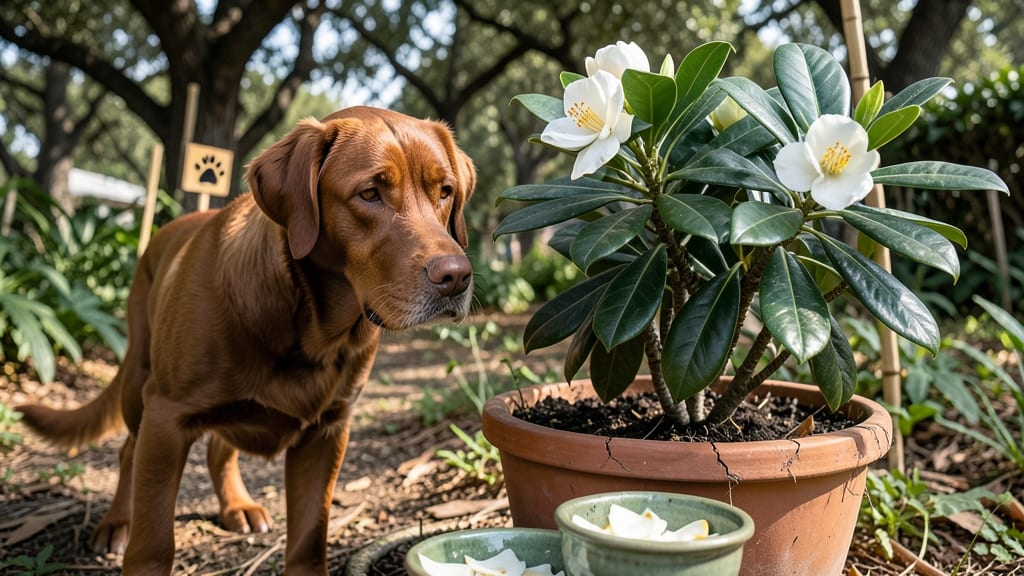
Gardenias are toxic to dogs because their leaves, flowers, and stems contain saponins and other irritants that trigger vomiting, diarrhea, and excessive drooling. If your dog ingests any part, seek emergency vet care immediately.
Gardenias contain multiple dangerous compounds that affect dogs differently depending on which part they eat. 🌸 The leaves are particularly hazardous due to higher concentrations of saponins, which create soapy-tasting toxins that irritate the digestive tract and can lead to dehydration.
Even small amounts of flower petals may cause mild symptoms, but stems—often overlooked—contain cyanogenic glycosides that can damage the nervous system. I've seen cases where dogs chewed on gardenia branches and developed lethargy within hours, so always monitor your pet around these plants.
Symptoms typically appear within 30 minutes to 2 hours after ingestion, but some dogs may show delayed reactions. Severe cases can include seizures or kidney failure, which is why immediate vet intervention is non-negotiable.
If you suspect poisoning, don't wait for symptoms—call your vet or the ASPCA Poison Control Center right away. Keeping gardenias out of reach is the safest prevention, but if your dog already has access, consider replacing them with pet-friendly alternatives like roses or marigolds.
💡 In This Article
- Toxic Compounds in Gardenias and Their Effects on Dogs
- Step-by-Step Emergency Care for Poisoned Dogs
Toxic compounds in gardenias and their effects on dogs
Gardenias contain two primary toxic compounds that pose risks to dogs: saponins and cyanogenic glycosides. Saponins create a soapy, bitter taste that irritates the digestive tract, while cyanogenic glycosides release cyanide when metabolized.
The leaves contain the highest concentration of saponins—about 0.5-1.2% of their dry weight—making them the most dangerous part of the plant. 🌿 When ingested, these compounds trigger an immune response in dogs, causing inflammation of the gastrointestinal lining and disrupting nutrient absorption.
The severity of symptoms depends on which part of the gardenia your dog consumes. Flower petals typically cause mild to moderate reactions like vomiting and drooling, while stems—often overlooked—contain higher levels of cyanogenic glycosides that can affect the nervous system.
A 10-pound dog eating just 1-2 leaves might experience mild symptoms, but a 50-pound dog consuming 5-6 leaves risks severe poisoning, including seizures or kidney failure. The ASPCA reports that gardenia toxicity ranks among the top 10 plant-related emergencies for pets each year.
Here's how these toxins affect your dog's body:
- Digestive System: Saponins create foam in the stomach, leading to excessive drooling and vomiting. The soapy texture coats the esophagus, causing painful swallowing.
- Nervous System: Cyanogenic glycosides interfere with oxygen transport in red blood cells, potentially causing weakness or collapse within 2-4 hours of ingestion.
- Kidneys: Repeated exposure or large doses can trigger acute kidney injury due to dehydration from persistent vomiting and diarrhea.
Dogs with pre-existing conditions like liver disease or those on heart medications are at higher risk. 🐾 For example, a 12-year-old Dachshund with kidney issues might show symptoms after eating just 3 petals, while a healthy 5-year-old Labrador could tolerate a small amount without severe effects.
Always err on the side of caution—when in doubt, contact your vet.
The good news is that gardenias aren't as toxic as some other plants (like lilies or oleander), but their effects can still be dangerous. The key is acting fast: if you see your dog chewing on gardenia leaves or stems, remove any remaining plant material from their mouth immediately.
Rinse their mouth with water and monitor for symptoms—even if they seem fine at first. 💡 Pro tip: Keep a photo of your gardenia plant handy when calling the vet, as they'll want to know exactly what was ingested.