
Companion Plants
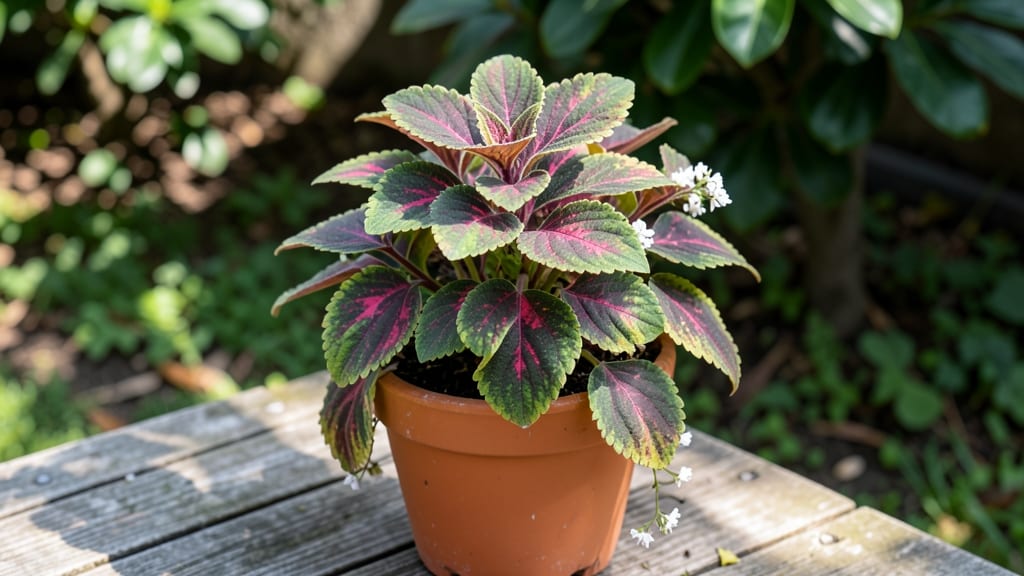
Good little garden plants for shady spots and containers include fast-growing options like pothos, fiddle-leaf figs, and boston ferns, which thrive in low light, require minimal space, and add vibrant greenery with minimal upkeep. Choose compact varieties like dwarf coleus or miniature hostas for instant impact without overwhelming small areas.
These compact plants are perfect for small spaces because they grow quickly and don't demand much attention. 🌿 For example, pothos can trail beautifully from hanging pots, while dwarf coleus bursts with colorful foliage in just a few weeks.
Many of these varieties also double as air purifiers, making them ideal for indoor containers or shady corners where sunlight is limited. The key to their success lies in their adaptability—most tolerate occasional dry spells and thrive even under fluorescent lighting, which is a game-changer for apartment gardeners.
If you're working with containers, focus on plants with shallow root systems like peperomia or calathea, as they won't outgrow small pots quickly. For instant color, dwarf impatiens bloom prolifically in partial shade, while miniature bamboo adds texture without spreading aggressively.
The secret to keeping them happy? Well-draining soil and occasional pruning to encourage bushier growth.
💡 In This Article
- Why These Plants Excel in Shady Containers
- Top 5 Fast-Growing Shade Plants for Containers
Why these plants excel in shady containers
These compact plants thrive in low-light conditions because their leaves have evolved to maximize photosynthesis efficiency under indirect sunlight.
For example, pothos features broad, heart-shaped leaves with a waxy coating that reflects light deeper into the leaf tissue, while calathea leaves have intricate vein patterns that channel light to the chlorophyll-rich cells.
This adaptation allows them to grow in spaces receiving only 2-4 hours of filtered light per day, making them perfect for north-facing windows or under tree canopies.
Their root systems are another key advantage for container gardening.
Most of these plants develop shallow, fibrous roots that spread horizontally rather than growing deep. Peperomia, for instance, has a root structure that stays compact in 6-inch pots, while miniature hostas grow in clumps that fit neatly in 8-10 inch containers.
This prevents them from becoming root-bound quickly, a common issue with deeper-rooted plants like tomatoes or sunflowers.
What makes these plants particularly resilient is their ability to regulate moisture loss. Many, like dwarf coleus and fiddle-leaf figs, have thick, leathery leaves that reduce water evaporation by up to 40% compared to thin-leaved plants.
This trait means they can go 7-10 days between waterings without wilting, making them ideal for busy gardeners or those who travel frequently. The trade-off? Their leaves are less prone to crisping in dry air, which is why they often look healthier than delicate annuals in indoor conditions.
Pest resistance is another hidden benefit of these shade-loving plants. Their tougher leaves and slower growth rates make them less appealing to common garden pests like aphids and spider mites. For example, boston ferns produce spores that naturally deter some insects, while pothos contains mild toxins that repel chewing pests.
This natural defense means you'll spend far less time dealing with pest control than you would with tender annuals like petunias or impatiens.
Consider the growth habits too: trailing plants like pothos or string of pearls create vertical interest in containers, while upright varieties like peperomia obtusifolia add structure. The contrast in textures—smooth pothos leaves versus the velvety calathea foliage—creates visual depth in small spaces.
This combination of form and function is why these plants are so versatile in containers, balconies, and indoor gardens alike.
For container gardening, their adaptability extends to soil preferences. Most thrive in well-draining mixes with 30-40% organic matter, which helps prevent root rot while retaining enough moisture. The key is avoiding heavy clay soils that compact easily in pots, which would suffocate their delicate root systems.
A simple mix of 50% potting soil, 30% perlite, and 20% compost works wonders for nearly all these varieties.